




The Race to Fruition: Why Saplings Win
For home gardeners, patience is a virtue, but waiting nearly a decade for fruit can test anyone's resolve. This is the reality when growing kiwi from a seed. A seed-grown vine can take anywhere from three to seven years, or even longer, before it's mature
enough to even produce flowers. On the other hand, a grafted sapling purchased from a nursery is already well on its way. These plants are typically a couple of years old and can begin producing fruit within one to four years of being planted in your garden. This significant head start is the primary reason why horticultural experts and experienced gardeners overwhelmingly recommend starting with saplings.
The Genetic Gamble of Growing from Seed
Starting with a seed is not just a test of patience; it's also a genetic lottery. Kiwi plants are dioecious, which means they are either male or female. Female plants produce the fruit, but only if they are pollinated by a nearby male plant. When you plant a seed, you have no way of knowing whether you will get a male or a female plant until it finally flowers years later. You could meticulously care for a vine for five years only to discover it's a male that will never bear fruit, or that all your vines are female with no pollinator in sight. Furthermore, seeds from a store-bought kiwi won't necessarily produce fruit of the same quality as the parent. Grafted saplings, however, eliminate this gamble entirely.
The Sapling Advantage: Clones and Certainty
Nursery saplings are typically grafted, meaning a piece of a mature, fruit-bearing female vine is joined onto a hardy rootstock. This makes the sapling a genetic clone of a proven plant. You are guaranteed not only a female, fruit-producing vine but also one that yields a specific, desirable variety like the popular 'Hayward' or 'Allison'. Nurseries sell these alongside their necessary male pollinator counterparts, such as 'Tomuri'. This ensures you have the correct ratio (typically one male for every six to eight female plants) and that their flowering times will overlap for successful pollination. This removes all the guesswork, promising a reliable harvest.
Choosing a Healthy Sapling in India
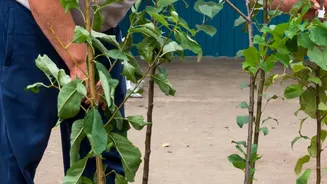
When you visit a nursery, look for a sapling that appears robust and healthy. The stem should be sturdy, about 10-15 mm thick, with vibrant, green leaves free of spots or yellowing. Check that the graft union—the slight bulge on the lower stem—is well-healed. A strong root system is vital, so avoid plants that are loose in their container. In India, kiwi cultivation is most successful in the mid-hill regions of states like Himachal Pradesh, Uttarakhand, and Arunachal Pradesh, which provide the necessary chilling hours (cool winter temperatures) for the vines to set fruit. Varieties like 'Hayward', 'Allison', 'Bruno', and 'Monty' are well-suited for these climates.
Setting Up for Success
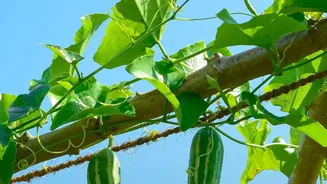
Once you have your saplings, planting them correctly is key. Kiwi vines are vigorous climbers that can grow over 20 feet long and become quite heavy with fruit. They require a strong support structure like a T-bar trellis or a sturdy pergola. Choose a sunny, sheltered spot in your garden with well-drained, loamy soil. Kiwi plants dislike having their roots waterlogged, which can lead to root rot. Space the vines about 10 to 15 feet apart to give them ample room to grow and ensure good air circulation. While the journey from planting to the first harvest takes a few years even with a sapling, the reward is well worth the wait.