



The Return of the Original Thirst Quencher
For decades, the Indian summer was synonymous with a very specific sound: the clinking of glass bottles of carbonated soft drinks. But a quiet, flavourful rebellion is underway. Across the country, a new generation is rediscovering and celebrating the drinks their
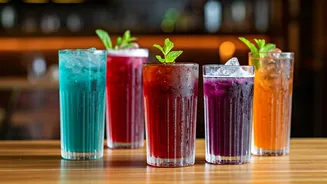
grandparents swore by. From tangy aam panna to salty-sweet shikanji, these desi coolers are moving out of the nostalgic confines of home kitchens and onto the menus of chic cafes, high-end restaurants, and even artisanal bottled beverage brands. This isn't just about nostalgia; it's a conscious shift. Consumers are increasingly wary of high-sugar, artificially flavoured drinks and are turning towards beverages with natural ingredients, functional health benefits, and a story to tell. These traditional drinks, packed with electrolytes, vitamins, and digestive aids, are perfectly positioned to meet this modern demand for wellness without sacrificing taste.
Aam Panna: The Raw Mango Elixir
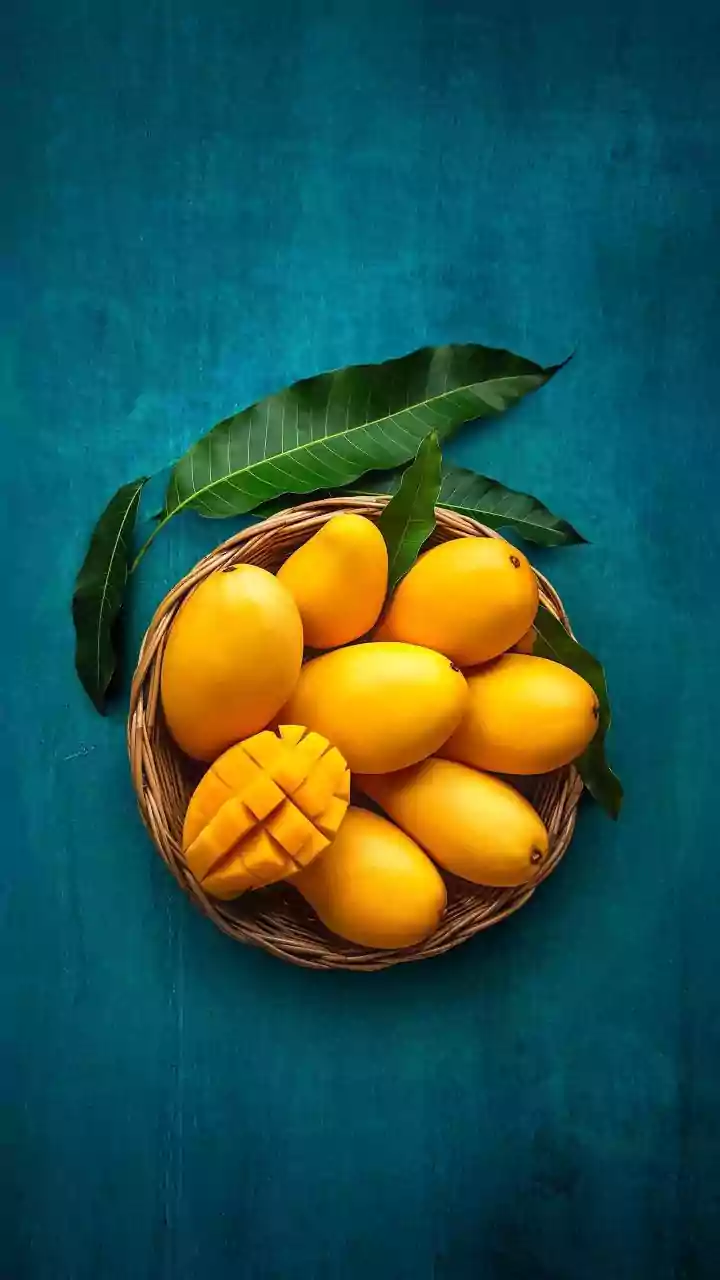
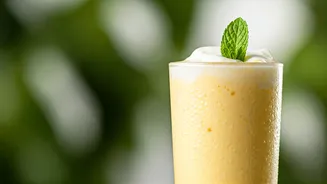
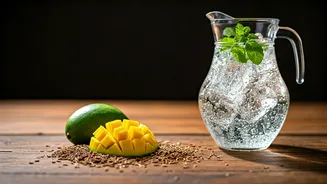
The undisputed king of summer coolers, aam panna, is leading the charge. Made from boiled or roasted raw green mangoes, this drink is a masterful blend of sweet, sour, and savoury notes, often spiced with cumin, black salt, and mint. It’s a potent weapon against heat stroke, praised for its ability to replenish salt and prevent dehydration. While traditionally a homemade staple, aam panna is now a star. You’ll find it served in elegant glassware at brunch spots, used as a base for inventive summer cocktails in upscale bars (aam panna margarita, anyone?), and sold in beautifully packaged bottles by artisanal brands that promise an authentic, preservative-free taste of summer.
Shikanji: The Spiced Lemonade Upgrade
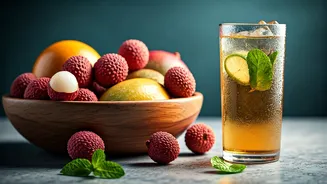
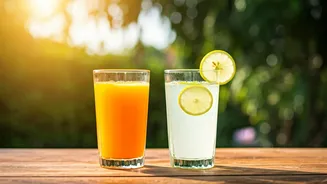
Calling shikanji just ‘lemonade’ is a profound understatement. This North Indian staple takes the simple combination of lemon juice, water, and sugar and elevates it into a complex and incredibly refreshing experience. The magic lies in the spice blend—typically a mix of roasted cumin powder, black salt (kala namak), and sometimes a hint of ginger or black pepper. The result is a drink that not only quenches thirst but also wakes up the palate and aids digestion. Its revival is visible on street corners and in trendy eateries alike, where it’s offered as a healthier, more interesting alternative to generic lemon-flavoured soft drinks. Some places are even experimenting with fruit-infused shikanjis, adding flavours like strawberry or lychee to the classic base.
Kokum Sharbat: The Coastal Cooler
Along India's western coast, particularly in the Konkan region, summer survival often involves kokum. The deep red-purple extract of the Garcinia indica fruit is used to make a stunningly coloured and uniquely flavoured sharbat. Its taste is tangy and slightly astringent, without the sharp acidity of lemons, making it exceptionally cooling and soothing for the digestive system. Traditionally known for its medicinal properties, especially as an antidote to acidity, kokum is now being celebrated for its unique flavour profile. Health-food cafes are championing it as a superfood drink, while mixologists are exploring its potential in non-alcoholic and alcoholic beverages, appreciating its vibrant colour and complex taste that pairs well with other botanicals.
The Lassi Renaissance
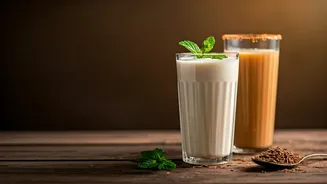
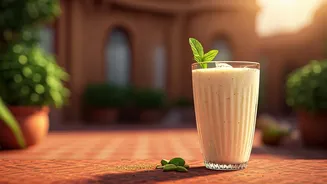
Lassi, the original probiotic smoothie, has never truly gone away, but it’s undergoing a significant evolution. Beyond the classic sweet and salty versions, we are seeing a renaissance of flavours. Cafes are serving up mango, rose, and saffron-pistachio lassis as dessert-like treats. But the real trend is the renewed appreciation for its simpler, more rustic form: chaas, or buttermilk. This thinner, spiced version—often flavoured with mint, coriander, and cumin—is being hailed as the ultimate gut-friendly hydrator. It’s light, refreshing, and packed with benefits, making it the perfect post-meal digestive or midday pick-me-up, reclaiming its rightful place as a functional, delicious beverage.