




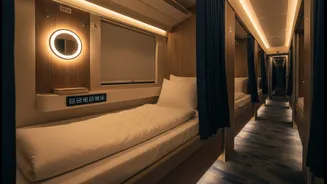


Introducing the Sant Ravidas Express
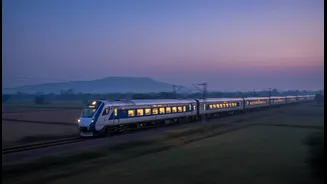
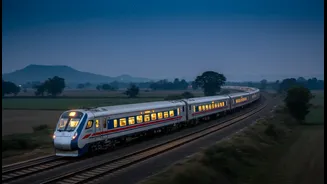
Indian Railways is launching the Sant Ravidas Express, a Vande Bharat Sleeper train, set to be virtually flagged off on July 17, 2026. This service will connect Varanasi in Uttar Pradesh with Chheharta, near Amritsar, in Punjab, operating three times
a week in each direction. The schedule is designed for overnight travel, allowing passengers to depart in the afternoon or evening and arrive at their destination the next day. Stops at major cities like Lucknow, Bareilly, Moradabad, Ambala Cantt, and Ludhiana will ensure it serves as a vital corridor across Uttar Pradesh, Haryana, and Punjab, catering to a mix of pilgrims, tourists, and business travellers.
What 'Premium Overnight' Really Means
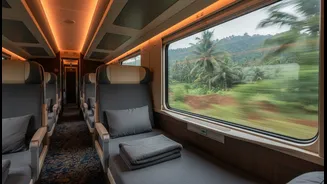
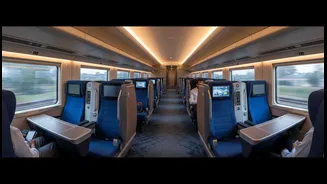
The term “premium” signifies a fundamental shift away from the conventional sleeper experience. As a Vande Bharat Sleeper, the train is fully air-conditioned, offering a range of classes including AC First, AC 2-Tier, and AC 3-Tier. The coaches feature ergonomically designed berths for enhanced comfort, automatic doors, and bio-vacuum toilets. Key upgrades focus on the journey itself, with semi-permanent couplers between coaches to reduce jerks, ensuring a smoother and quieter ride. Advanced safety features, including CCTV surveillance and the indigenous Kavach anti-collision system, are integral to the design. This model prioritizes comfort, cleanliness, and safety, aiming to rival the convenience of other travel modes for journeys spanning 800 to 1,200 kilometres.
Connecting Two Spiritual Capitals
The choice of route is highly strategic, linking two of North India's most significant spiritual centres. Varanasi is one of the oldest living cities and a primary pilgrimage site for Hindus, while Amritsar is home to the Golden Temple, the holiest shrine in Sikhism. The train is named after Sant Ravidas, a revered mystic poet whose birthplace in Varanasi is a major pilgrimage site for his followers, many of whom reside in Punjab. This direct, comfortable overnight connection is expected to significantly boost religious tourism. It enables pilgrims and tourists to travel between these holy cities without losing a day in transit, making weekend trips and cultural tours far more accessible and convenient.
A New, Tiered Strategy for Rail Travel
The launch of this premium service is a window into Indian Railways' broader, multi-pronged strategy. It is not about replacing all existing trains but creating new tiers of service for different passenger needs. The Vande Bharat Sleeper, like the Sant Ravidas Express, targets travellers willing to pay a premium for enhanced comfort and speed on long-distance routes. This complements the Amrit Bharat Express, another new class of train designed for affordable, non-air-conditioned long-distance travel, featuring modern amenities for the masses. This dual approach allows Indian Railways to modernize its fleet while catering to both the budget-conscious passenger and the comfort-seeking traveller, effectively segmenting the market.
The Blueprint for North Indian Connectivity
This Varanasi-Amritsar link is more than a one-off project; it serves as a powerful model for the future of long-distance travel across North India's densely populated plains. The success of this route could pave the way for similar premium overnight services connecting major industrial, commercial, and tourist hubs. Imagine high-speed sleeper trains linking Delhi with Lucknow, Patna, or Jaipur, making overnight business travel more efficient and comfortable. By reducing reliance on road and air travel for medium-to-long-haul journeys, this model can ease congestion, reduce travel time, and offer a more sustainable travel alternative. It represents a long-term vision for creating an integrated, modern, and efficient rail network that drives economic activity and regional connectivity.