



The weekday dinner dilemma is a familiar story: it's 5 p.m., you're tired, and the question 'what's for dinner?' feels impossible. A twice-weekly cooking plan offers a sustainable way to reclaim your weeknights without meal fatigue.
Why Cook Twice a Week?
Traditional meal prep
often involves one marathon Sunday session, leaving you with monotonous meals by Thursday. The twice-weekly method offers a perfect compromise. Cooking just two times a week ensures your food remains fresh and appealing, which helps you stick with the plan. This approach significantly reduces 'flavour fatigue'—the boredom that comes from eating the same meal for days on end. It also lowers food waste by allowing for better inventory management and ensures you're eating leftovers within the recommended three-to-four-day window for optimal freshness. The primary benefits include saving time, reducing daily stress, and having greater control over your nutritional intake and portion sizes.
The Game Plan: Session One and Session Two
The strategy is simple: split your week into two manageable parts. Your first cooking session, typically on a Sunday, will cover meals for Monday through Wednesday. The second, shorter session on Wednesday evening prepares you for Thursday and Friday. This approach keeps your refrigerator stocked with ready-to-go options without overwhelming you. A key to success is planning meals that can be assembled from pre-cooked components rather than preparing five identical, fully-plated meals. Think of it as creating building blocks—proteins, grains, and vegetables—that can be mixed and matched.
Session One: The Sunday Foundation
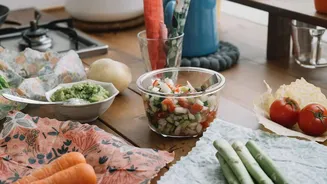
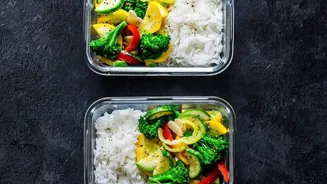
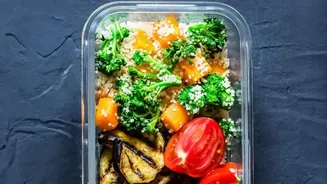
Your first session is about setting a solid foundation for the week. This is the time to tackle ingredients that take longer to cook. Focus on preparing sturdy components that hold up well in the fridge. Good candidates for this session include a large batch of a whole grain like quinoa or brown rice, roasted root vegetables (sweet potatoes, carrots, beets), a versatile protein like shredded chicken or a pot of chili, and a homemade dressing or sauce. For example, you could bake a few chicken breasts, roast a tray of broccoli and bell peppers, and cook a large pot of lentils. These elements can be stored in separate airtight containers, ready for assembly.
Session Two: The Midward Refresh
The second session, perhaps on a Wednesday, is shorter and focuses on fresh, quick cooking items to reinvigorate your menu. This is when you can pan sear fish, sauté delicate greens like spinach or chard, boil some pasta, or chop fresh vegetables for salads. This 'refresh' ensures the latter half of the week doesn't feel like you're scraping the bottom of the barrel. For instance, the chicken you cooked on Sunday can be added to a fresh salad with a vinaigrette you whip up on Wednesday. The key is to keep this session quick—around an hour—to make it a sustainable part of your weekly routine.
Putting It All Together: Sample Meal Ideas
The component based approach prevents meal boredom. Here is how it works: Sunday s shredded chicken can become chicken salad for Monday s lunch and filling for tacos on Wednesday night. The roasted vegetables can be a side dish on Monday, get tossed into a quinoa bowl on Tuesday, and mixed with pasta and pesto on Wednesday. Soups, stews, and curries are also excellent for batch cooking, as their flavours often deepen after a day or two. A big batch of bolognese sauce made on Sunday can be served with spaghetti on Monday and used as a base for stuffed peppers later in the week.
Tips for Twice Weekly Success
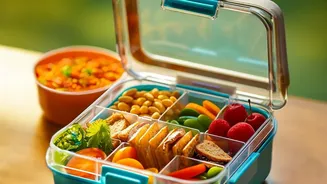
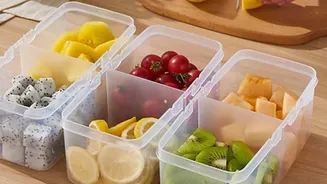
To make this habit stick, a few simple tools and practices can make all the difference. Invest in quality glass storage containers, which are great for reheating and don t absorb odours. Label everything with the contents and the date you cooked it to keep track of freshness. Don t be afraid to utilize your freezer for sauces, soups, or extra portions of protein to reduce waste and have emergency meals on hand. Most importantly, start small. Begin by prepping just two or three dinners and a couple of lunches for the week to avoid feeling overwhelmed.