





From Health Fad to Kitchen Staple
Not long ago, the air fryer was an object of urban curiosity, promising the impossible: fried food without the oil. Initially embraced by the health-conscious, its appeal has since broadened dramatically. The simple premise of using rapidly circulating
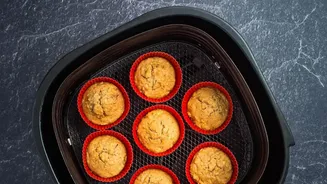
hot air to cook food with up to 80% less oil was a game-changer for Indian households, where deep-fried snacks are a cornerstone of cuisine and social gatherings. The shift from a niche gadget to a mainstream appliance was driven by a desire to enjoy traditional flavours without the associated guilt. As more people discovered its convenience and versatility, the air fryer started to shed its image as a single-purpose machine for frozen snacks and became a solution for everyday Indian cooking.
Reimagining Festive Favourites
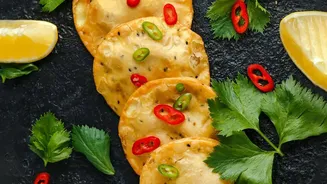
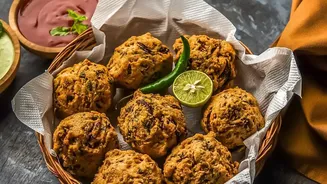
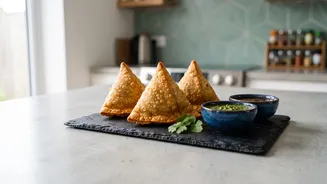
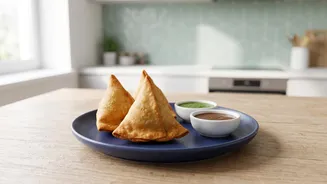
The true testament to the air fryer's integration into Indian culture is its use during festival seasons. Busy home cooks, preparing elaborate meals for Diwali, Holi, or other celebrations, have found an invaluable ally in this appliance. Classic, oil-heavy festive snacks are being brilliantly reimagined. Samosas, traditionally deep-fried, now emerge from the air fryer with a satisfyingly crisp pastry and a perfectly cooked filling, all with just a light brush of oil. The same goes for aloo tikki, paneer tikka, hara bhara kabab, and even regional specialities like kothimbir vadi and medu vadas. The appliance’s ability to deliver a crunchy texture—the hallmark of a good Indian snack—without the mess and health concerns of a deep-frying kadhai has made it indispensable for festive preparations.
Why It Works So Well for Indian Food
The success of the air fryer in Indian kitchens isn't an accident. The technology is almost perfectly suited to the textures and techniques of Indian cooking. Many Indian snacks rely on a Maillard reaction—the browning process that creates complex flavour and a crisp exterior. An air fryer, which functions like a powerful countertop convection oven, excels at this. It provides the intense, dry heat that gives dishes like tandoori chicken and paneer tikka their signature char, something a microwave could never achieve. Beyond texture, the benefits are practical. It significantly reduces cooking time compared to a conventional oven, eliminates the safety hazards of managing large pans of hot oil, and simplifies cleanup, as most baskets are non-stick and easy to wash. For cooks juggling multiple dishes during a festival, this convenience is a massive advantage.
The Social Media Influence
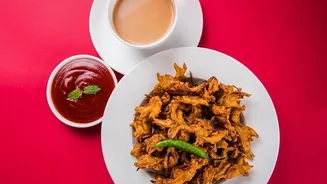
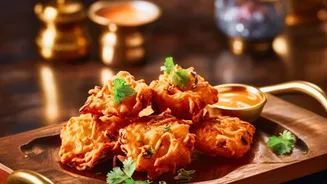
The trend has been amplified by a wave of food bloggers and content creators on platforms like Instagram and YouTube. These creators share visually appealing videos and step-by-step guides for adapting traditional recipes for the air fryer, demystifying the process for their followers. Seeing a perfectly golden air-fried gujiya or a batch of crispy onion pakoras can be all the inspiration a home cook needs to try it themselves. This online ecosystem of shared recipes and tips has created a community of users who are constantly pushing the boundaries of what the appliance can do, moving from simple snacks to complex curries like baingan bharta and even desserts. This digital word-of-mouth has been crucial in showing just how versatile the air fryer can be in an Indian culinary context.