




The Myth of the Invincible Ferment
Many people believe that because fermented foods are preserved, they are immune to spoilage. Fermentation has been used for centuries to extend the life of fresh produce, creating an acidic environment where many harmful bacteria cannot survive. However,
once you open that jar and expose it to air, new microorganisms can be introduced. While the good bacteria and high acidity offer protection, they don't make the food invincible. It’s a common misconception that the fermentation process continues to protect the food indefinitely at room temperature after it has been opened. In reality, fermented foods are not sterile and should be handled with the same care as other perishable items in your kitchen.
Why Refrigeration Is Not Optional
Once your ferment has reached a flavour you enjoy, moving it to the refrigerator is crucial. Cold temperatures of around 4°C significantly slow down the fermentation process. This is important for two reasons. First, it preserves the taste and texture you want, preventing your kimchi from becoming overly sour or your sauerkraut from getting too soft. Second, and more importantly for safety, the cold inhibits the growth of unwanted spoilage microbes and pathogens that could have been introduced after opening. While historical preservation happened in cool cellars, not warm kitchens, today's refrigerator is the modern equivalent, ensuring your ferments stay both delicious and safe for months.
A Practical Guide to Common Ferments
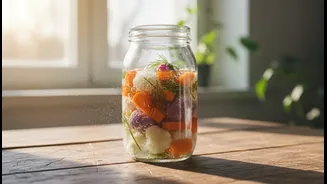
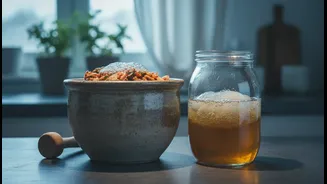
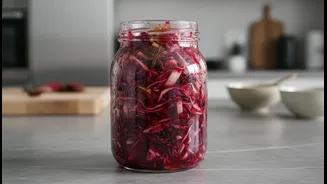
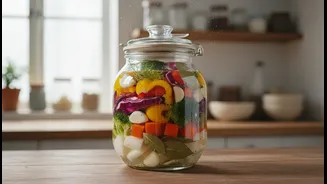
Different ferments have their own unique characteristics, but the storage rule is generally the same: refrigerate after the initial fermentation is complete and once opened. For vegetable ferments like sauerkraut and kimchi, they can last for four to six months or even longer in the fridge. Always ensure the vegetables remain submerged under the brine, as this protects them from oxygen which can lead to mold. For liquid ferments like kombucha or water kefir, refrigeration is also necessary to halt the fermentation, prevent excess carbonation that could cause bottles to burst, and maintain flavour. A good rule is that if a ferment is done to your liking, it's ready for the cold.
How to Spot Spoilage
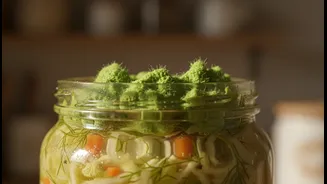
Trust your senses. Fermented foods should smell pleasantly sour or tangy, not rotten or foul. A sharp, unpleasant odor is a major red flag. Visually, look for fuzzy mold that is blue, green, or black; this is different from a harmless white film called Kahm yeast, which can be skimmed off. If you see colourful, fuzzy mold, the entire batch should be discarded as the contamination can run deeper than what is visible. An unusual slimy texture is another sign of spoilage. Bubbling and cloudiness in the brine are often normal signs of a healthy, active ferment, but when in doubt, it is always safest to throw it out.
Best Practices for Safe Handling
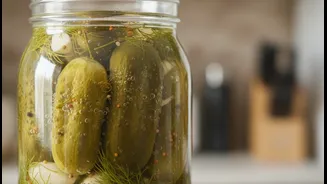
Beyond refrigeration, a few simple habits can extend the life and safety of your home ferments. Always use a clean utensil every time you dip into your jar. This prevents the introduction of new bacteria from your mouth or other foods. Make sure your fermenting containers and all equipment are thoroughly cleaned and sanitized before you start. For vegetable ferments, keeping the solids submerged beneath the brine is critical to prevent mold growth. You can use a fermentation weight or even a smaller, clean glass jar to keep everything pressed down. By following these simple hygiene rules, you give your good bacteria the best chance to thrive while keeping unwanted microbes at bay.