






The Promise of Plants
While achieving a 'totally odorless' space with plants alone is a tall order, incorporating specific houseplants can drastically improve your indoor air quality. Many plants are adept at absorbing common airborne pollutants, including volatile organic
compounds (VOCs) like benzene and formaldehyde, which are often emitted from furniture, paints, and cleaning products. By filtering these chemicals and releasing fresh oxygen, plants act as living air purifiers, helping to neutralize the root causes of many unpleasant household smells, leaving your home feeling fresher and more vibrant.
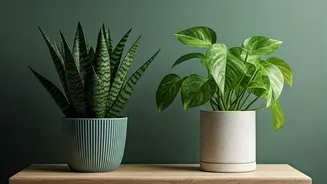
1. Snake Plant (Sansevieria trifasciata)
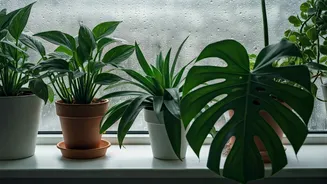
Often called 'mother-in-law's tongue', the Snake Plant is a champion of air purification and is incredibly low-maintenance, making it perfect for beginners and busy apartment dwellers. It's one of the few plants that converts carbon dioxide into oxygen at night, making it an excellent choice for bedrooms. It effectively filters formaldehyde, xylene, and toluene from the air. Best of all, it thrives on neglect. Water it only when the soil is completely dry and it will be happy in low or bright, indirect light.
2. Peace Lily (Spathiphyllum)
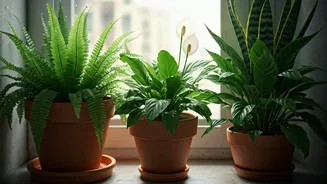
The Peace Lily is not just beautiful with its elegant white blooms; it’s a powerhouse purifier. It's particularly skilled at breaking down and neutralizing toxic gases like carbon monoxide and ammonia (a common component in cleaning products). A Peace Lily will often 'tell' you when it needs water by drooping its leaves, so it's hard to over or under-water. It prefers medium, indirect light and a consistently moist soil. Its ability to combat common chemical odors makes it a fantastic addition to kitchens and bathrooms.
3. Areca Palm (Dypsis lutescens)
If you're looking for a larger plant to make a statement while cleaning your air, the Areca Palm is an ideal choice. It's known for its ability to release significant amounts of moisture into the air, acting as a natural humidifier—a great benefit in dry, air-conditioned rooms. It's also effective at filtering out xylene and toluene. This palm loves bright, indirect sunlight and needs to be watered regularly to keep its soil lightly moist, but not waterlogged. It brings a touch of tropical greenery while actively combating stale air.
4. Spider Plant (Chlorophytum comosum)
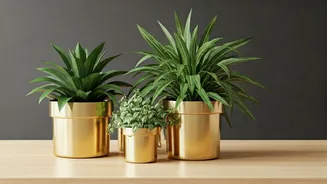
The resilient and fast-growing Spider Plant is one of the most popular and easiest houseplants to grow. It's a formidable foe against formaldehyde, carbon monoxide, and other toxins. Its arching leaves and small plantlets ('spiderettes') that can be easily propagated make it a fun and rewarding plant to own. Spider Plants are adaptable to various light conditions, though they prefer bright, indirect light. Let the soil dry out between waterings. Hang one in a basket in your kitchen to help tackle cooking fumes.
5. Money Plant / Pothos (Epipremnum aureum)
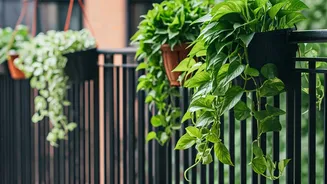
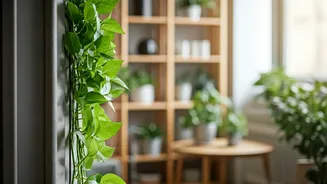
Found in countless Indian homes for good reason, the Money Plant, or Pothos, is incredibly hardy and versatile. It excels at clearing the air of formaldehyde, benzene, and carbon monoxide. Its trailing vines can be trained to climb or hang from a basket, adding a lush, green feel to any corner of your apartment. Pothos thrives in a variety of lighting conditions, from low light to bright, indirect light, and is very forgiving if you forget to water it occasionally. It's a simple, effective, and beautiful starting point for your indoor garden.
Maximise Your Greenery's Impact
To get the most out of your plant-based air freshening system, density matters. One small plant won't clear a large room. Experts suggest aiming for at least one plant per 100 square feet of living space. Grouping plants together can also create a small, humid micro-environment that helps them thrive. Ensure good air circulation by opening windows when possible, as this helps your plants process airborne particles more effectively. Finally, keep the leaves clean by wiping them with a damp cloth every few weeks to ensure they can absorb light and airborne particles efficiently.