

Why a Short Stretch Beats More Screen Time
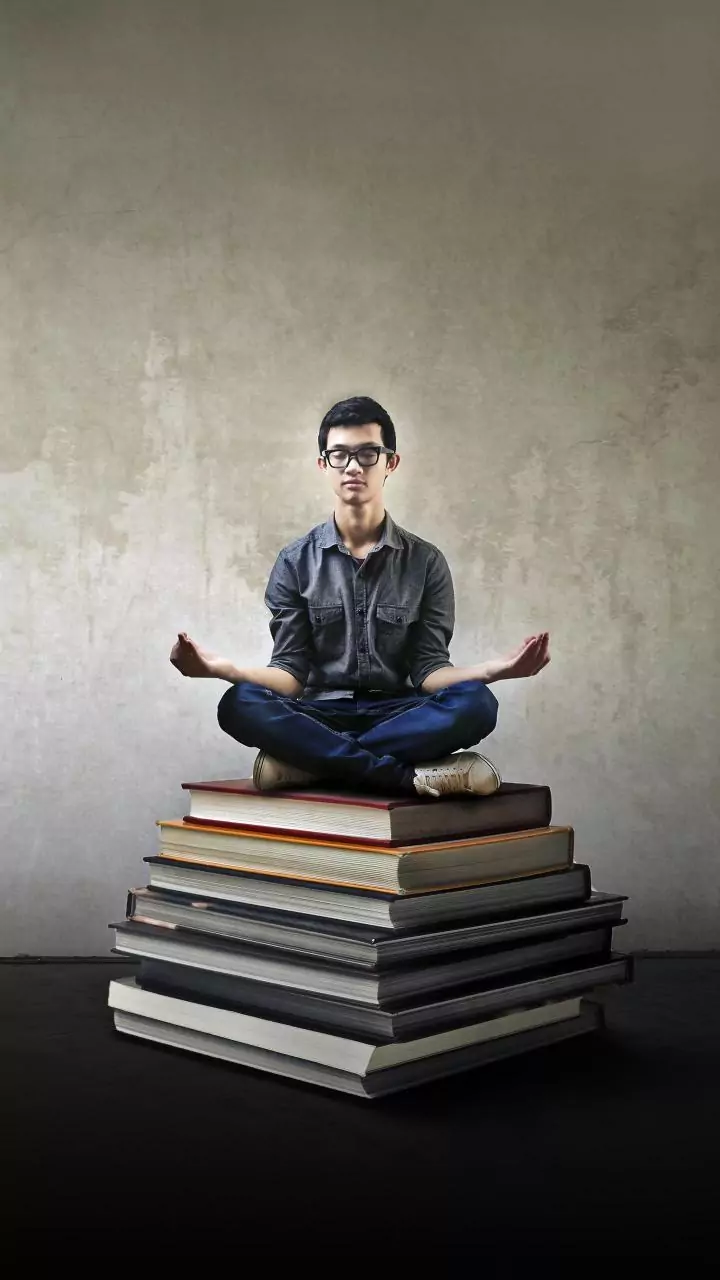
When you’re stressed, your body releases a hormone called cortisol. A little bit helps you stay alert, but too much leads to anxiety, poor focus, and fatigue. Studies show that yoga can help manage these stress levels. It’s not just about becoming flexible;
it's a practice that connects your mind and body through movement and breath. This process helps increase blood flow to the brain, which can improve your ability to concentrate and remember information—pretty useful when you're trying to revise. Even a few minutes can make a significant difference in how you handle pressure.
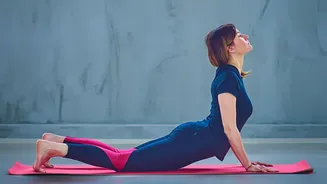
Cat-Cow Pose (Marjaryasana-Bitilasana)
This is the perfect stretch to do when you've been hunched over a desk for hours. It gently wakes up your spine and releases tension in your neck and shoulders. How to do it: Start on your hands and knees, with your wrists directly under your shoulders and your knees under your hips. As you inhale, drop your belly, lift your chest and look forward (Cow Pose). As you exhale, round your spine up towards the ceiling and tuck your chin to your chest (Cat Pose). Flow between these two movements for 5-10 slow breaths, matching your breath to the movement.
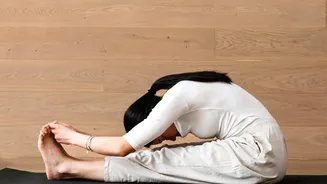
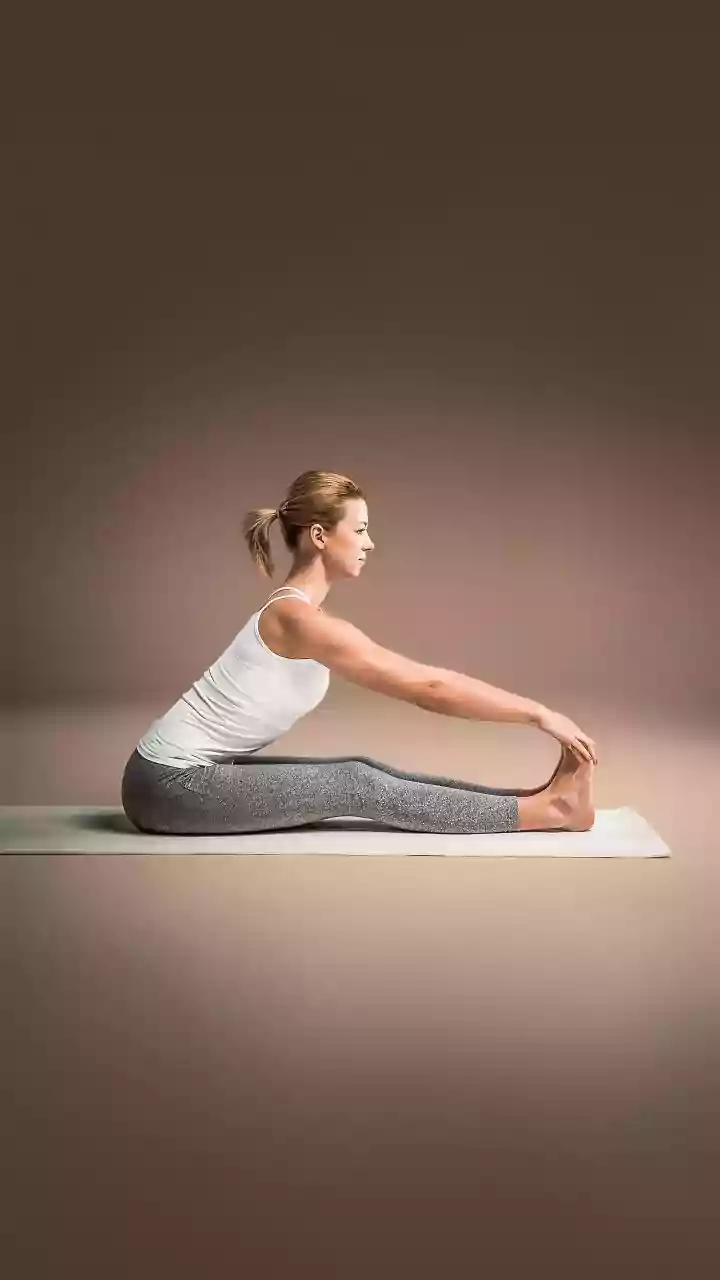
Seated Forward Bend (Paschimottanasana)
This pose is known for its calming effect on the nervous system. It provides a deep stretch for your hamstrings and back, which can get tight from long hours of sitting. How to do it: Sit on the floor with your legs stretched out in front of you. You can sit on a folded blanket to make it more comfortable. As you inhale, sit up tall. As you exhale, hinge at your hips and begin to fold forward over your legs. Don't worry about touching your toes; just go as far as you can without straining. Rest your hands on your legs or the floor. Hold for 30 seconds to a minute, breathing deeply.
Child’s Pose (Balasana)
Think of this as your personal reset button. Whenever you feel overwhelmed, Child's Pose is a simple way to find immediate calm and quiet the mind. How to do it: Kneel on the floor, sit back on your heels, then fold forward, resting your forehead on the mat. Your arms can be stretched out in front of you or resting alongside your body with the palms facing up. Focus on your breathing and feel the tension in your back and shoulders melt away. Stay here for as long as you need—even 30 seconds helps.
Legs-Up-The-Wall Pose (Viparita Karani)
This is an incredibly restorative and passive pose. It helps calm the nervous system, reduces fatigue, and relieves tired legs and feet—a perfect end to a long day of studying. How to do it: Sit on the floor with one side of your body against a wall. Gently swing your legs up the wall as you lie back on the floor. Your hips can be right against the wall or a few inches away. Just let your arms rest by your sides, palms facing up. Close your eyes and breathe. Stay here for 3-5 minutes for a complete reset.
The Focus Booster: Mindful Breathing
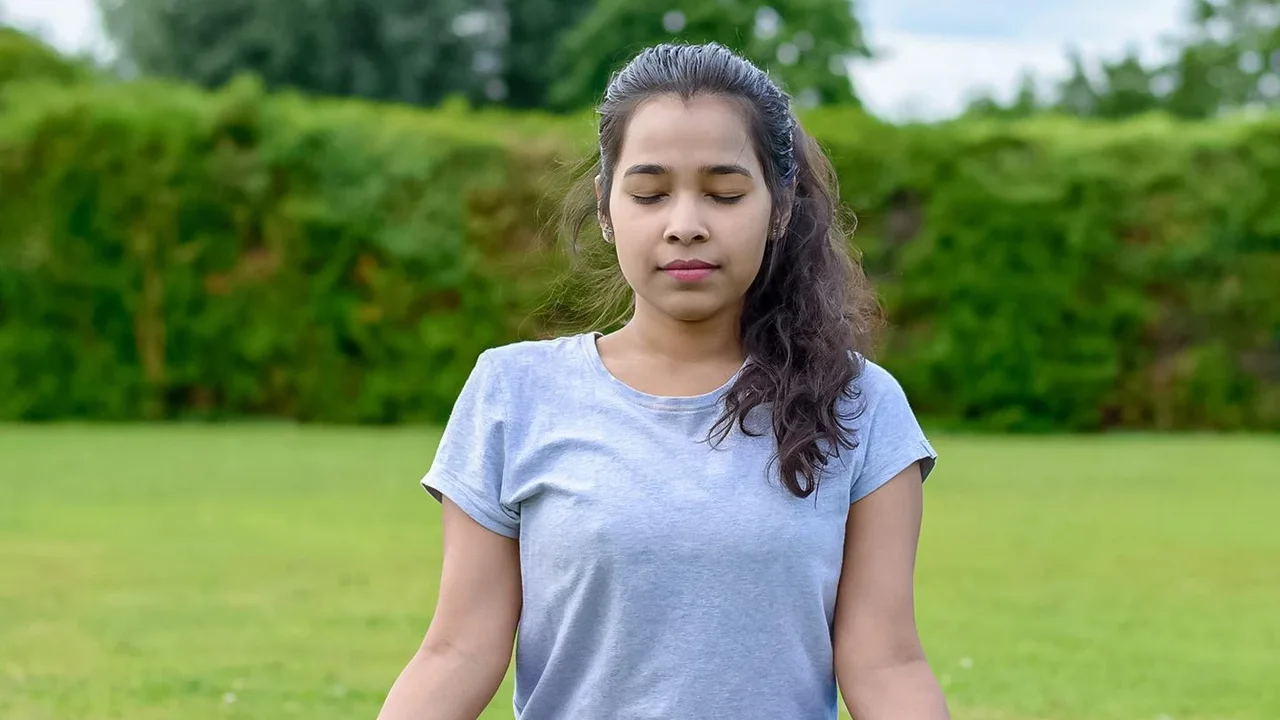
Yoga isn't just about the poses; the breathing (pranayama) is a superpower for focus. A simple technique to try is 'Box Breathing'. Close your eyes and slowly inhale through your nose for a count of four. Hold your breath for a count of four. Gently exhale through your nose for a count of four. Hold the breath out for a count of four. Repeat this cycle for 2-3 minutes before an exam or a study session to calm your nerves and sharpen your attention.