




What's in the Water?
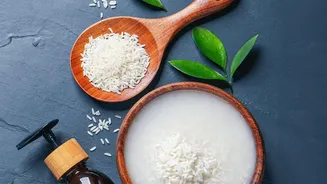
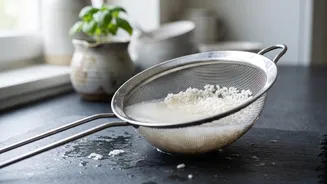
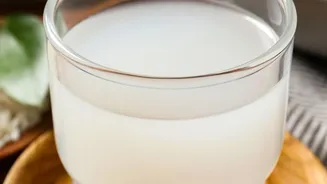
The milky liquid left over from rinsing uncooked rice is packed with starch and trace amounts of essential nutrients. While not a replacement for a balanced fertilizer, it contains small quantities of nitrogen, phosphorus, and potassium—the 'big three'
macronutrients for plant health. It also has B vitamins, such as thiamine and niacin, which can support robust root development. The primary benefit comes from the starch, which feeds beneficial microbes in the soil. These microorganisms then help break down organic matter, making nutrients more available for the plant to absorb.
Plain vs. Fermented: Which is Better?
You can use the rice water immediately after rinsing, or you can let it ferment for greater potency. Plain rice water is the simplest method: just collect the water from rinsing uncooked rice and use it right away. Fermented rice water is made by letting the rinse water sit loosely covered at room temperature for three to five days. The fermentation process creates beneficial lactic acid bacteria and can significantly increase the concentration of available nutrients. Research has shown that fermented rice water can boost nutrient levels by anywhere from 7% to over 200%, depending on the element. However, fermented water is more acidic and potent, so it must be diluted (typically a 1:1 ratio with plain water) before use to avoid burning plant roots. For most indoor plants, plain rinse water is a gentler and safer starting point.
The Right Way to Apply
The headline is correct: for most potted plants, pouring the rice water directly onto the soil is the most effective method. This technique, known as drenching or top watering, ensures the nutrients and beneficial microbes are delivered straight to the root system where they are needed most. Misting the leaves with rice water is an option for certain plants like orchids that absorb moisture through their foliage, but it can leave a starchy residue on the leaves of other plants, potentially blocking light. When you water the soil, apply the rice water in place of a regular watering, pouring it slowly until it begins to drain from the bottom of the pot. This ensures the entire root ball is moistened. Always use water from rinsing plain, uncooked rice; never use water that has been salted or oiled, as this can severely damage your plants.
How Often Is Too Often?
Moderation is key when it comes to using rice water. While beneficial, applying it too frequently can lead to problems. The starch can build up on the soil surface, creating a hard crust that prevents oxygen and water from reaching the roots. This starchy, moist environment is also an open invitation for pests like fungus gnats and can promote the growth of mold. As a general rule, use plain rice water no more than once a week. If you are using the more potent fermented rice water, limit applications to once every two to four weeks during the growing season. It's best to skip it entirely during the winter months when most houseplants are dormant and not actively taking up nutrients.
Potential Pitfalls to Watch For
Beyond overuse, there are a few other risks to be aware of. Fermented rice water can develop a sour smell, which may be unpleasant indoors. The starchy liquid can also attract pests if left to sit in the plant's saucer. Some sources also note that rice can contain trace amounts of arsenic, which could theoretically build up in the soil over time with very frequent use, although this is a low risk for occasional applications on houseplants. The most common mistake is using water from cooked or seasoned rice, which contains salt and oils that are harmful to plants. Always stick to the water from rinsing uncooked, unseasoned rice, and your plants will be much happier.