







An Uneven and Anxious August
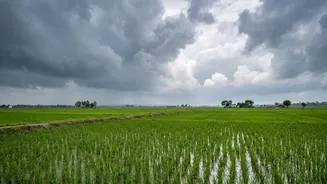
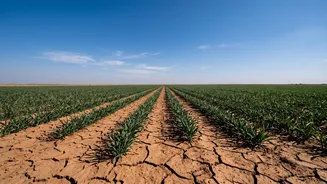
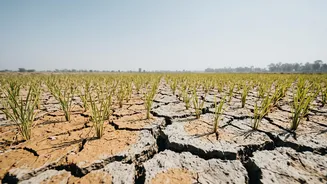
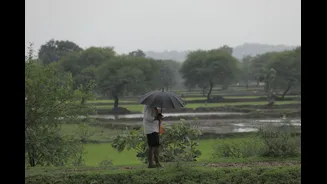
The 2026 monsoon season has been a story of volatility. After an initial delay, a strong July brought relief and spurred sowing, but August was marked by long dry spells. This erratic pattern has left crops in a vulnerable state. Now, as we enter September,
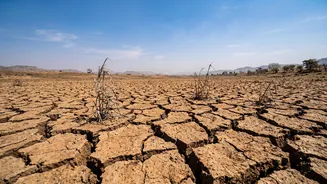
the final act of the monsoon drama is about to unfold. Private weather forecaster Skymet has already downgraded its forecast, citing the strengthening El Niño phenomenon and predicting below-average rainfall for the month. The India Meteorological Department (IMD) has also signaled a subdued rainfall outlook. This is a critical juncture, as many summer-sown crops are in their final growth stages and desperately need moisture to ensure good yields.
Kharif Crops on the Brink
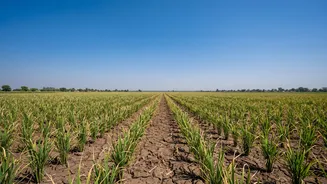
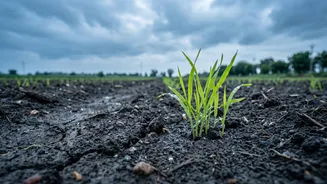
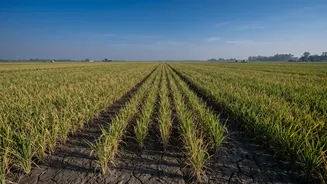
The timing of this potential dry spell could not be worse for India's main kharif (summer) crops. Paddy, which occupies the largest area, is particularly dependent on consistent water supply. Other major crops such as soybeans, cotton, pulses, and corn are also entering a crucial phase of development where moisture stress can severely stunt growth and reduce output. With sowing already lagging in some regions due to the uneven rainfall earlier in the season, a weak September could cement a production shortfall. Farmers in areas with limited irrigation are most at risk, as they are entirely dependent on the monsoon's performance. For them, a dry end to the season means not just lower yields but a direct hit to their primary source of income for the year.
The Critical State of Water Reservoirs
September rainfall does more than just water the standing crops; it replenishes the country’s major water reservoirs. These reservoirs are vital for providing irrigation for the next crop cycle, the rabi (winter) season. As of late August 2026, water levels in India's key reservoirs were already a concern, standing about 18% below the previous year's levels. The deficit is particularly sharp in the southern and northern regions. A dry September would mean these reservoirs don't get their crucial final top-up, leaving less moisture in the soil and less water available for sowing winter crops like wheat and rapeseed, potentially creating a cascading crisis for the next agricultural season.
From Farm Gate to Household Budget
The impact of a weak monsoon finish extends far beyond the farm. Lower crop production directly translates to lower farmer incomes, which in turn suppresses rural demand for goods and services, acting as a drag on the wider economy. For consumers, reduced supply of essential commodities like pulses and vegetables often leads to higher food prices. With food inflation already a persistent worry, a poor kharif harvest could add significant pressure on household budgets across the country. The government has already identified hundreds of districts as being vulnerable due to low irrigation coverage, signaling the scale of the potential challenge.
Government Prepares for Mitigation
Recognizing the risks, government bodies are on high alert. There is a range of support schemes that can be deployed to cushion the blow for farmers. The Pradhan Mantri Fasal Bima Yojana (PMFBY) is the primary crop insurance scheme designed to offer protection against losses from events like drought. Other programs, like the PM-KISAN income support scheme and the PM Krishi Sinchayee Yojana for irrigation, also provide a safety net. In states facing severe drought, governments can declare blocks as drought-affected and provide direct financial assistance. Federal and state governments also have mechanisms like the National Disaster Response Fund (NDRF) to provide relief for natural calamities, including crop loss due to drought. The coming weeks will show how extensively these measures will be needed.