


The Long Reign of Whey Protein
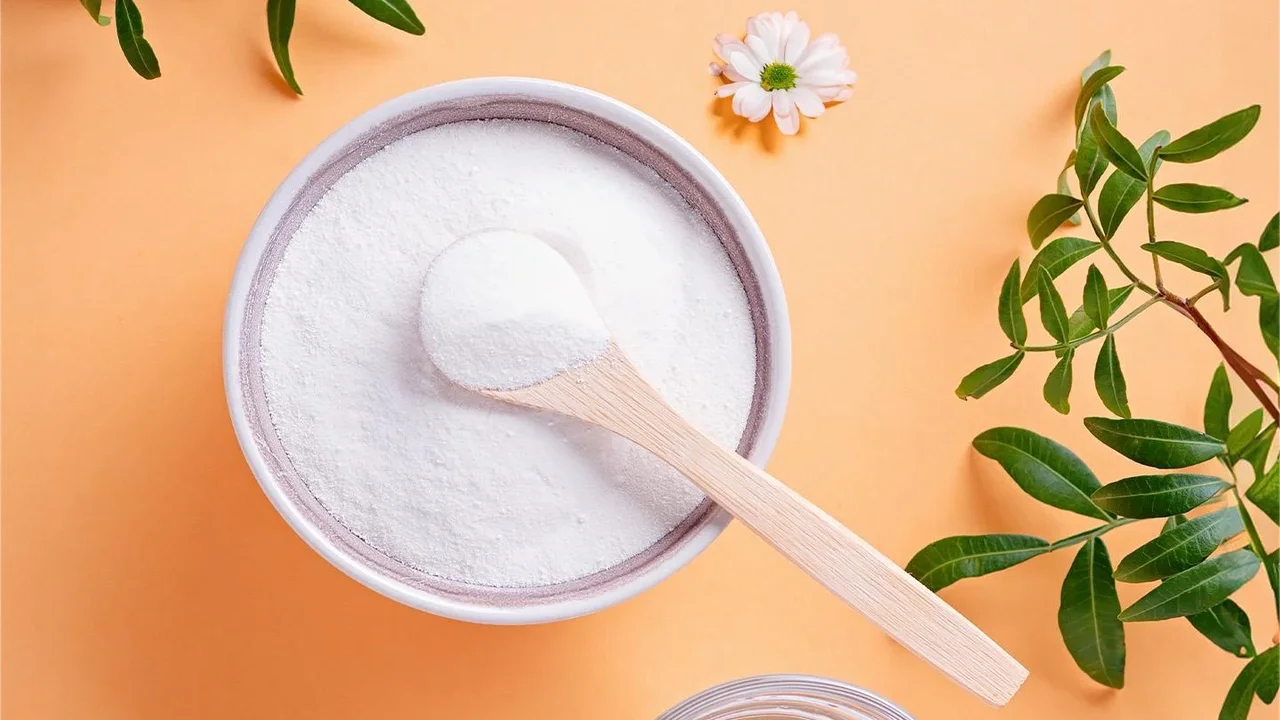
Walk into any gym, and you'll likely see shakers filled with whey protein. Derived from milk during the cheese-making process, whey is popular for good reason. It's a complete protein, meaning it contains all nine essential amino acids your body needs
but can't produce on its own. It’s particularly high in leucine, an amino acid that plays a key role in triggering muscle growth and repair. Coupled with its rapid absorption rate, whey became the go-to supplement for post-workout recovery and muscle building for years.
The Dairy Dilemma
Despite its benefits, whey isn't for everyone. As a dairy product, its primary drawback is lactose. A significant portion of the adult population has difficulty digesting lactose, which can lead to uncomfortable symptoms like bloating, gas, and stomach cramps. Even for those who aren't severely intolerant, regular whey consumption can cause digestive unease. While options like whey isolate, which has most of the lactose removed, can help, they don't solve the problem for everyone and can be more expensive. This has left many searching for a powerful alternative that is kinder to their gut.
Enter the Plant-Based Power Blends
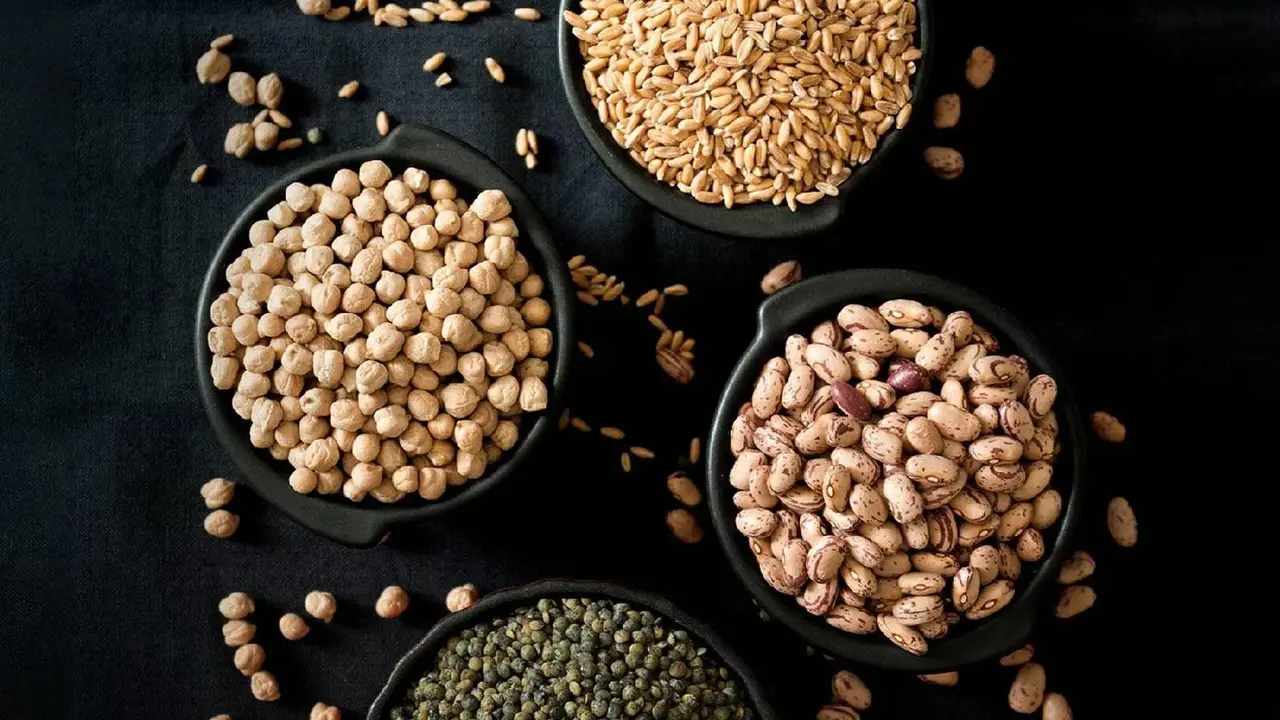
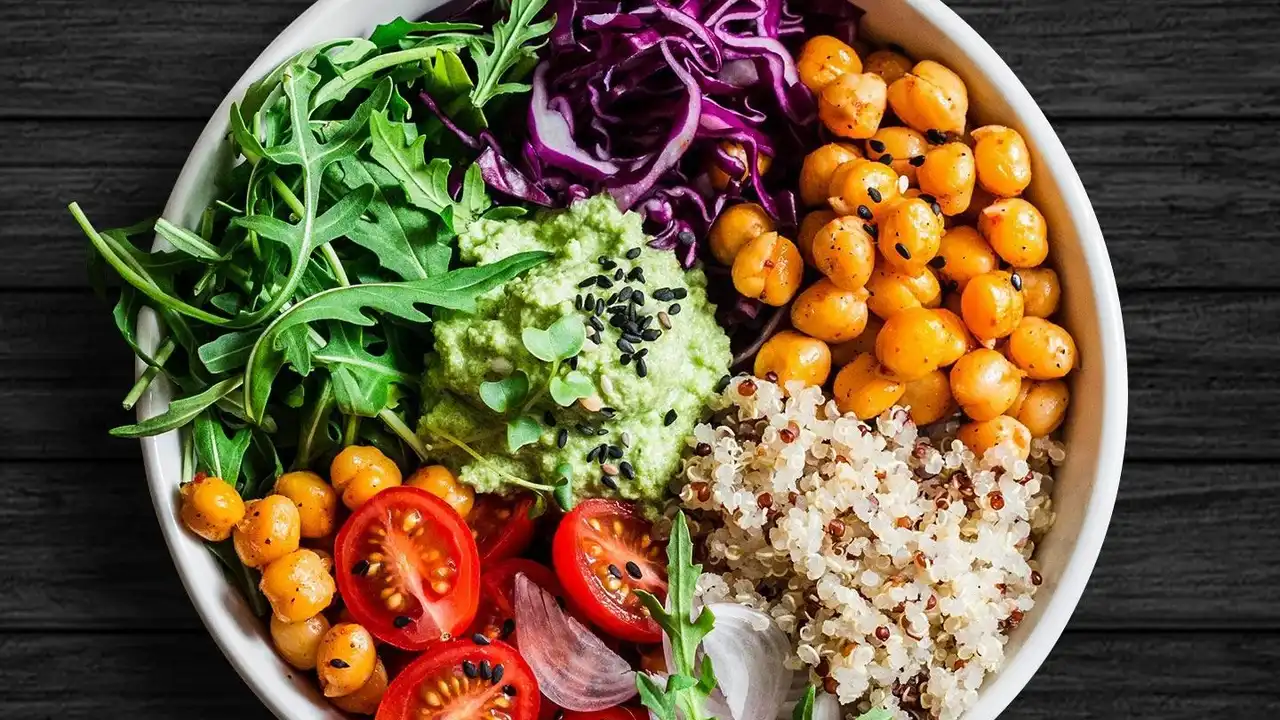
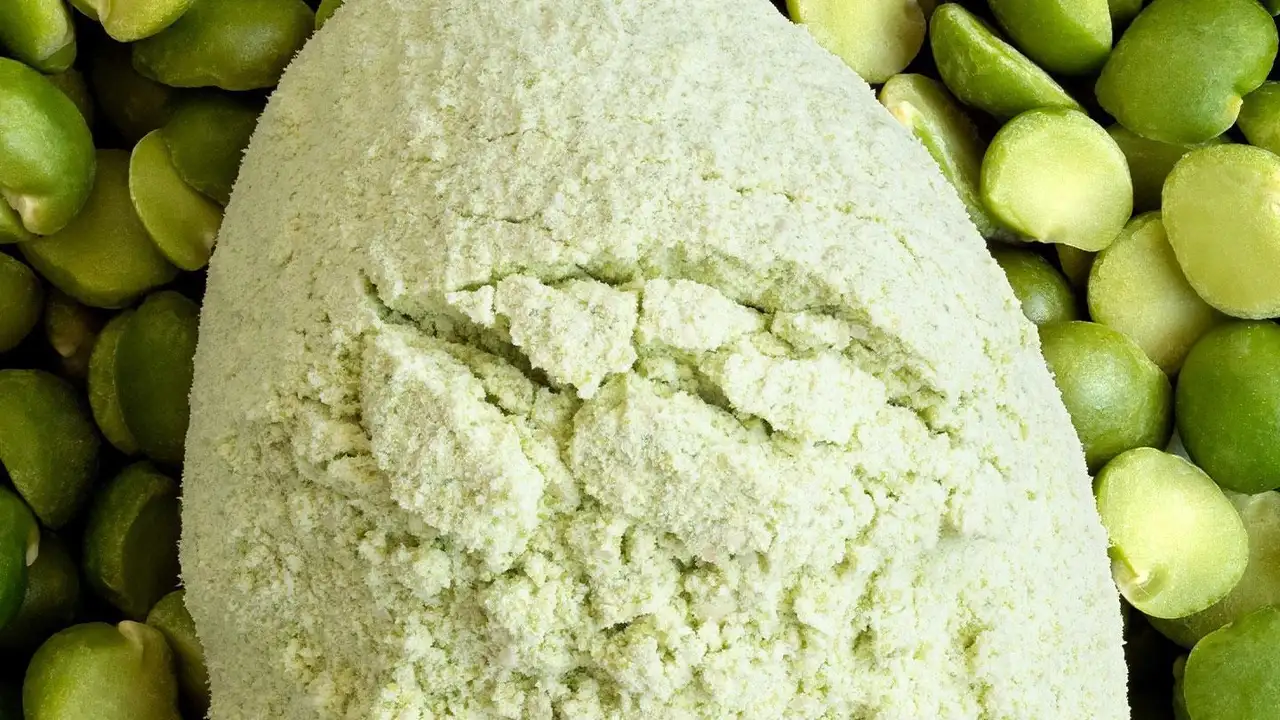
Plant-based proteins, sourced from peas, brown rice, soy, and hemp, have emerged as formidable contenders. While individual plant proteins were once criticized for lacking a complete amino acid profile, modern formulations have solved this problem through smart blending. By combining different plant sources, manufacturers can create a protein powder that is not only complete but also boasts a robust amino acid profile that rivals whey. This innovation has transformed plant protein from a niche product into a mainstream powerhouse.
The 'Complete Protein' Question, Solved
The most common myth about plant protein is that it's 'incomplete' and therefore inferior. While it's true that many single plant sources are low in one or two essential amino acids, blending them creates a synergistic effect. For example, pea protein is high in lysine but low in methionine, while rice protein is the opposite. When combined, they form a complete protein that provides all the necessary building blocks for muscle repair and growth. This strategic pairing ensures that you aren’t compromising on protein quality when you opt for a dairy-free blend.
More Than Just Muscle Fuel
Plant-based blends offer benefits that extend beyond their protein content. They are generally easier to digest and less likely to cause allergic reactions, making them a great option for people with sensitive stomachs. Unlike whey, plant proteins often contain dietary fibre, which promotes gut health by feeding beneficial gut bacteria. They also deliver a host of micronutrients from their plant sources, including vitamins and minerals that support overall wellness. This makes them a more holistic nutritional supplement.
A Kinder Choice for the Planet
For many, the environmental impact of their food choices is a growing concern. Plant-based protein production generally requires less water, less land, and generates fewer greenhouse gas emissions compared to dairy-based whey protein. Choosing a protein powder derived from peas or rice can significantly lower your environmental footprint compared to its animal-based counterpart. While whey is a byproduct of the cheese industry, the overall impact of dairy farming remains a factor for eco-conscious consumers.