





From Farm to Your Plate
The journey of food from a farm to your dining table is a complex chain of events, and weather is a critical, often disruptive, player at every stage. In India, where nearly half of the Consumer Price Index is weighted towards food and beverages, any
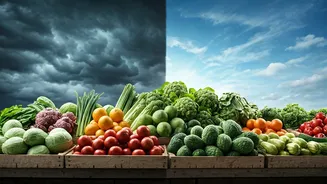
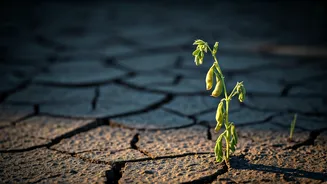
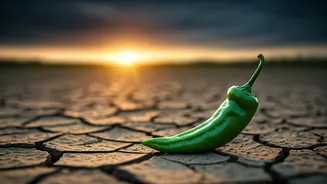
shock to agriculture is felt almost immediately in retail markets. Extreme weather events, which are becoming more frequent, are no longer temporary hiccups but are reshaping the very structure of food inflation in the country. Events like heatwaves can ruin crops before they are even harvested, while erratic or unseasonal rains can disrupt planting cycles, damage yields, and create widespread supply bottlenecks. This triggers a chain reaction of lower production, speculation, and ultimately, persistent inflation that you notice at the checkout counter.
The Monsoon’s Mighty Influence
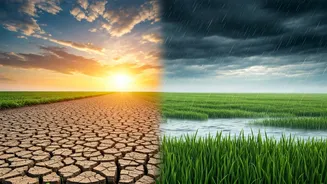
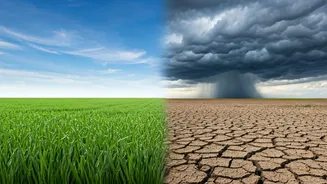
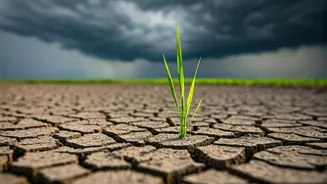
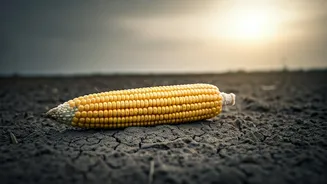
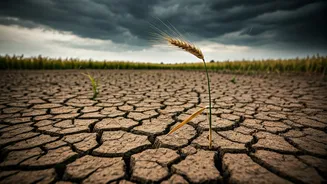
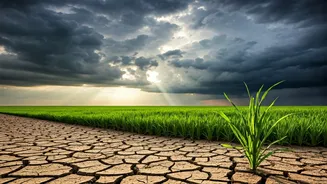
India's agriculture is deeply intertwined with the southwest monsoon, with over half of the nation's farmland being rain-fed and dependent on its timely arrival and distribution. A strong, well-distributed monsoon can lead to bumper harvests, increased food supply, and stable prices. Conversely, a weak or delayed monsoon, often influenced by the El Niño phenomenon, can spell trouble. El Niño, a warming of the Pacific Ocean, is historically associated with droughts and below-average rainfall in India, which can reduce the output of crucial summer crops like rice, pulses, cotton, and oilseeds. Forecasts of a below-average monsoon for 2026 have already raised concerns about agricultural output and a potential rise in food prices for staples. On the other hand, a La Niña event, characterized by cooler ocean temperatures, typically brings enhanced rainfall, which can be beneficial for crop yields and help lower food prices.
When Heatwaves Hit the Harvest
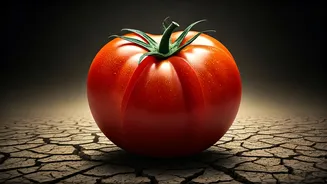
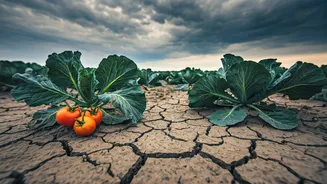
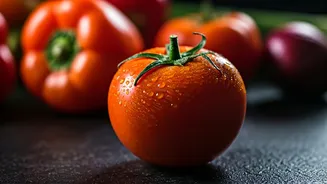
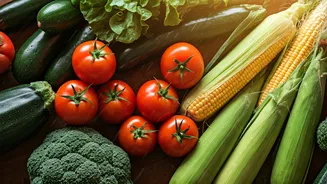
Beyond the monsoon, intense heatwaves are emerging as a major driver of food price volatility, particularly for perishable goods. Recent heatwaves across India have had a direct impact, increasing the prices of vegetables and fruits. The extreme temperatures in mid-2026, for example, have been linked to a significant spike in tomato prices. High heat not only damages standing crops and reduces yields but also affects produce during transport and storage, leading to spoilage and further tightening supply. Sensitive crops like tomatoes, onions, and potatoes—staples in Indian kitchens—are especially vulnerable. Studies have shown that a rise in temperature can significantly increase vegetable inflation, making these heatwaves a direct threat to household budgets.
Global Weather, Local Prices
The impact isn't just local. Global weather patterns play a crucial role, especially for commodities India imports, such as edible oils. A drought in a major palm oil-producing country in Southeast Asia or a crop failure in another part of the world can lead to higher import costs, which are eventually passed on to Indian consumers. The increasing frequency of extreme weather events worldwide means that supply chains are more vulnerable than ever. Central banks and policymakers are now beginning to grapple with this new reality, recognizing that climate-related shocks are no longer short-lived events but a structural issue affecting economic stability. This requires a shift in how inflation is forecast and managed, incorporating climate variables and building resilience in the agricultural sector.