



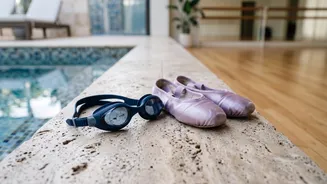


The Joyful Cardio of Dance
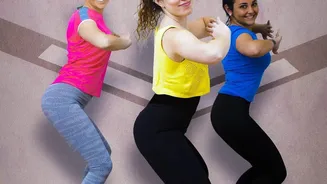
Dancing is a powerful and often joyful form of aerobic exercise. It improves cardiovascular health, strengthens muscles, and enhances balance and coordination. But its benefits extend far beyond the physical. The combination of music, movement, and self-expression
can be a potent stress reliever, releasing endorphins that boost your mood. Whether you're in a high-energy Zumba class, learning ballroom with a partner, or just moving freely in your living room, dance offers a social and creative outlet that many other forms of exercise lack. This social connection and the simple fun factor can make it feel less like a chore and more like a celebration. Research also suggests that the cognitive challenge of learning steps and routines can boost brain functions like memory and planning.
The Full-Body Reset of Swimming
Swimming is frequently praised as one of the best all-around activities for fitness. It delivers a comprehensive, full-body workout, engaging nearly every muscle group as you move against the resistance of the water. One of its most significant advantages is its low-impact nature. The water supports your body, taking stress off your joints, which makes it an ideal choice for people of all ages, including those with arthritis or injuries. Swimming builds endurance, tones muscles, and is excellent for heart and lung health. Beyond the physical, many find the rhythmic, repetitive motion of swimming to be meditative. The feeling of gliding through the water can be a peaceful and relaxing experience, helping to alleviate stress and improve your mood. Studies have shown people often enjoy water-based exercise more and can sustain it for longer periods without muscle or joint pain.
Beyond the Calorie Count
It's easy to get caught up in which activity burns more calories. Depending on the intensity and style, both can be highly effective. Some studies suggest that vigorous forms of dance, like salsa or street dance, can burn more calories per hour than leisurely swimming. Conversely, a vigorous swim session can burn a significant number of calories, often comparable to jogging, due to the water's resistance. However, focusing solely on this number is a narrow view. The difference of 50 or 100 calories in a single session becomes irrelevant if you quit the activity after three weeks. The true key to achieving fitness goals—whether it's weight management, improved heart health, or increased strength—is consistency. Small, repeated efforts over time have a much greater impact than a few sporadic, high-intensity workouts.
The Science of Sticking With It
The most important factor in building a lasting exercise habit is not discipline or willpower, but enjoyment. Psychologists refer to this as intrinsic motivation—doing something because it is inherently satisfying, not for an external reward. If you dread the thought of putting on a swimsuit and getting into a cold pool, you will find excuses not to go. If the idea of a structured dance class makes you feel self_conscious, you're unlikely to sign up for another. Conversely, if you genuinely look forward to your workout, it becomes a positive part of your routine rather than an obligation to be endured. This positive emotional association is what turns a temporary effort into a long_term habit. Lasting change is built on consistency, and consistency is fueled by enjoyment.
How to Choose Your Winner
The winner in the 'Dancing vs. Swimming' debate is the activity that you can see yourself doing months from now. To figure out which is best for you, ask yourself a few honest questions. Do you thrive in a social, group setting, or do you prefer a quiet, solo activity? Is your energy boosted by music and rhythm, or do you find peace in repetitive, meditative motion? What are the practicalities? Consider accessibility and cost—do you have easy access to a safe pool or an affordable dance studio? What feels more like 'play' to you? The answer to these questions will point you toward the workout that doesn't just fit your fitness goals, but also fits your personality and lifestyle.