





The Surprising Link Between Your Gut and Brain
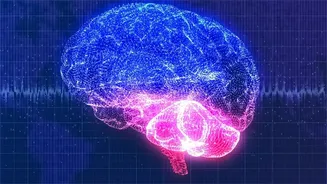
You’ve likely heard your gut called the "second brain," and there’s a good reason for it. This isn't just a catchy phrase; it refers to the gut-brain axis, a complex and constant two-way communication system. This network connects the emotional and cognitive
centers of your brain with your digestive system. The main channel for this conversation is the vagus nerve, which acts like a busy highway, transmitting messages in both directions. So, when you feel "butterflies" in your stomach due to nerves, that's the gut-brain axis at work. But this connection goes much deeper than just feelings, influencing everything from mood to cognitive function.
Meet Your Gut's Trillions of Tiny Helpers
Your gut is home to trillions of microorganisms, including bacteria, viruses, and fungi, collectively known as the gut microbiome. Think of it as a bustling city inside you. In a healthy city, there's a good balance between beneficial 'good' bacteria and potentially harmful 'bad' bacteria. These good bacteria are essential for digestion, producing vitamins, and supporting your immune system. When this delicate balance is thrown off—a state called dysbiosis—it can lead to digestive issues and chronic inflammation, sending stress signals up to the brain.
Introducing the Probiotic Powerhouses
This is where probiotics come in. Probiotics are live, beneficial microorganisms—essentially, the 'good guys'—that, when consumed in adequate amounts, can help restore and maintain a healthy balance in your gut microbiome. They reinforce the population of good bacteria, helping to crowd out harmful ones and support the integrity of your gut lining. You can find probiotics in certain foods or supplements. By bolstering your gut's defenses, probiotics play a crucial role in ensuring the communication along the gut-brain axis is running smoothly.
From a Healthy Gut to a Sharper Mind
So, how does a balanced gut translate to better mental focus? The connection is multifaceted. A healthy gut microbiome helps produce key neurotransmitters—the chemical messengers your brain uses. In fact, it is estimated that around 90% of the body’s serotonin, the 'feel-good' neurotransmitter that regulates mood, is made in the gut. A balanced gut also helps produce dopamine and GABA, which are crucial for focus, motivation, and calmness. By reducing inflammation, supporting neurotransmitter production, and calming the body’s stress response, a healthy gut allows the brain to function more efficiently, leading to improved cognitive abilities like memory, attention, and mental focus.
Eating Your Way to Better Focus in India
The good news is that incorporating probiotic-rich foods into your diet is simple and delicious, especially with the variety available in Indian cuisine. The most well-known source is Dahi (curd or yogurt), a staple in many households. Other fantastic options include Chaas (buttermilk), Lassi, and Paneer made from cultured milk. Fermented foods are also probiotic powerhouses. The batter for South Indian staples like Idli and Dosa is fermented, making them a great source of beneficial bacteria. Similarly, the fermented batter used to make the Gujarati snack Dhokla provides probiotic benefits. Even traditional, naturally fermented Achaar (pickles made without vinegar) and drinks like Kanji can contribute to your gut health.