




The Viral Dish You Can't Order
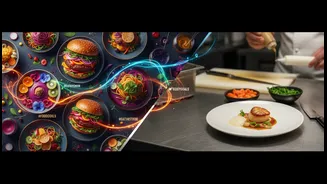
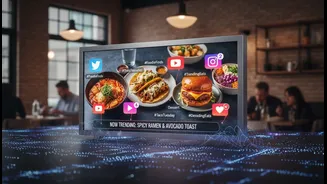
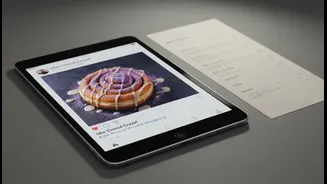
In today's India, food trends are born on platforms like Instagram, where a 30-second Reel can turn a previously unknown dish into an overnight sensation. From Korean cheese corn dogs to flying dosa, visual appeal and novelty drive explosive consumer
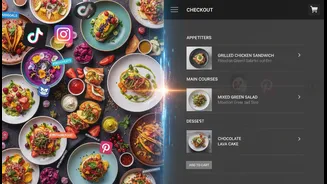
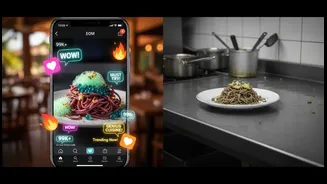
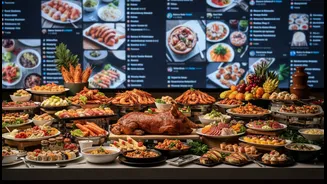
curiosity. This has fundamentally changed how people, especially Gen Z, discover and decide what to eat. Social media is no longer just for inspiration; for many, it has become the primary search engine for dining. Yet, this creates a frustrating paradox for consumers: a digital world overflowing with exciting food that is often impossible to find on physical menus. This chasm between what is trending online and what is available in restaurants is the social-to-menu gap.
The Slow Speed of Kitchens
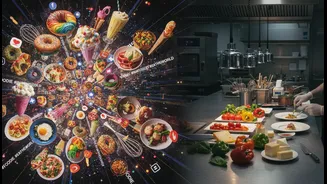
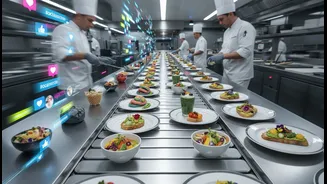
While a food trend can peak online within weeks, a restaurant's ability to adapt is far slower, a concept known as 'menu speed'. Adding a new item to a professional menu is a complex process. It involves much more than just recreating a recipe from a video. Chefs must consider ingredient sourcing and consistency, storage, costing to ensure profitability, and extensive staff training. For larger chains, these logistical hurdles are magnified, requiring coordinated changes across multiple locations. A product development cycle that once took months is now being pressured to happen in weeks, a pace that is unsustainable for many traditional brick-and-mortar establishments.
The Pressure of 'Camera Eats First'
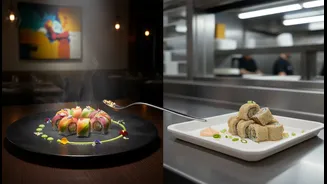
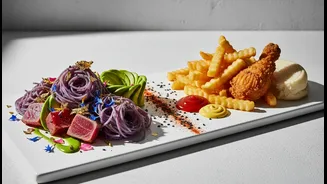
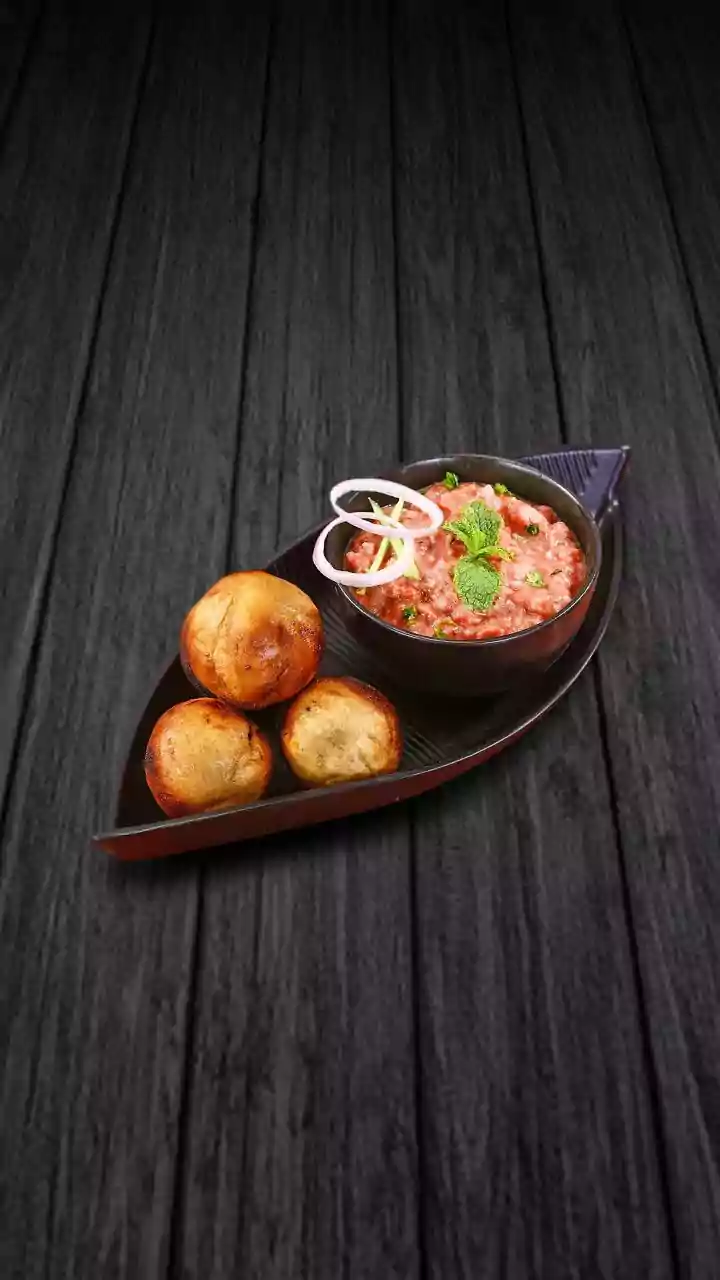
The demand for visually stunning food has given rise to a 'camera eats first' culture. Restaurants now face pressure to design dishes not just for taste, but for their photogenic qualities: high colour contrast, unique textures, and elements like oozing cheese or chocolate that perform well on video. This has shifted how some chefs think, prioritising aesthetics that can drive social media buzz and, in turn, foot traffic. While this can be a powerful marketing tool, it comes with risks. Trends have a notoriously short lifespan, and a dish that goes viral one week can be forgotten the next, making it difficult for restaurants to build a long-term, sustainable menu. The focus on visuals can sometimes come at the expense of flavour and quality, leading to overhyped dishes that disappoint customers.
Bridging the Gap: Agility is Key
Despite the challenges, some segments of the food industry are better equipped to respond. Cloud kitchens, or virtual restaurants, are perfectly positioned to capitalize on fast-moving trends. Without the overhead of a dine-in space, they can launch and test new concepts and virtual brands with minimal risk. This agility allows them to quickly add a trending item to their delivery-only menu and capture immediate demand. Other restaurants are using different strategies, such as introducing viral dishes as limited-time offers (LTOs) to generate buzz without committing to a permanent menu change. Seasonal menus also offer a way to keep offerings fresh while managing supply chains effectively.