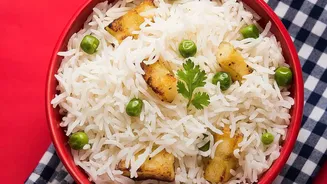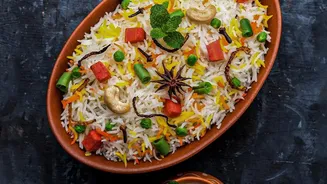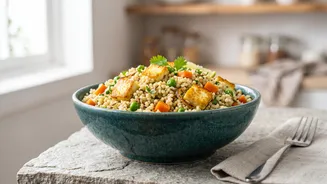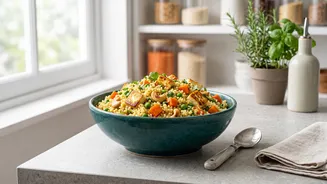




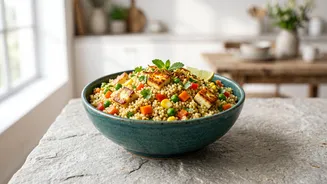
Tired of the same old lunch routine? Revitalise your midday meal with the ancient goodness of millets. A simple, flavourful millet pulao is not just a delicious alternative to rice but also a powerhouse of nutrition for a balanced, energetic day.
Why Millets Make the Perfect Lunch
Millets
are making a major comeback in Indian kitchens, and for good reason. These ancient grains are nutritional powerhouses, perfect for a midday meal that won’t leave you feeling sluggish. Unlike refined grains, millets are packed with dietary fibre, which aids digestion and promotes a feeling of fullness, helping you avoid that post-lunch slump and unnecessary snacking. They are a source of plant-based protein and complex carbohydrates, ensuring a slow and steady release of energy to power you through the afternoon. Naturally gluten-free, millets are an excellent option for those with gluten sensitivities. Rich in essential minerals like magnesium, iron, and potassium, incorporating different types of millets—such as foxtail, kodo, or barnyard—into your diet contributes to overall well-being, from heart health to immunity.
The Magic of Simple, Aromatic Spices
The beauty of a good pulao lies in its aromatic spices, and you don’t need an overflowing spice rack to achieve a delicious flavour. A few simple, everyday spices are all it takes to transform humble millets and vegetables into a fragrant masterpiece. Whole spices like cloves, cinnamon, and a bay leaf, when toasted in ghee or oil, release their essential oils and create a beautiful aromatic base. Powdered spices play an equally important role. Turmeric not only adds a lovely golden hue but also brings its well-known anti-inflammatory properties. Cumin and coriander powder provide an earthy, warm flavour, while a touch of garam masala at the end lends a complex, finishing aroma that ties all the flavours together. These spices do more than just add taste; they also aid in digestion, making your balanced lunch even more beneficial.
Easy One-Pot Millet Pulao Recipe
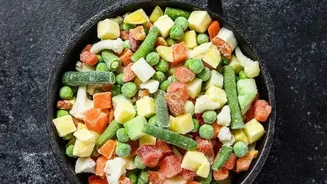
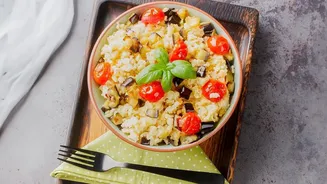
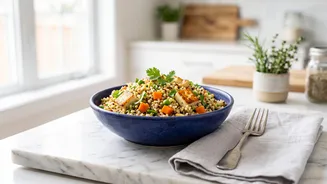
This simple, one-pot recipe is perfect for a quick and wholesome lunch. You can use any millet variety like foxtail, kodo, or barnyard millet. Ingredients: - 1 cup millet, rinsed thoroughly - 2 cups water or vegetable broth - 1 tbsp ghee or oil - 1 tsp cumin seeds - 2 cloves - 1 inch cinnamon stick - 1 bay leaf - 1 medium onion, sliced - 1 tsp ginger-garlic paste - 1 cup mixed vegetables (carrots, peas, beans, potatoes) - ½ tsp turmeric powder - ½ tsp red chilli powder (optional) - ¼ tsp garam masala - Salt to taste - Fresh coriander and mint leaves for garnish Method: 1. Heat ghee or oil in a pressure cooker or a heavy-bottomed pan. Add the whole spices: cumin seeds, cloves, cinnamon, and bay leaf. Sauté for a minute until fragrant. 2. Add the sliced onions and cook until they turn soft and translucent. Stir in the ginger-garlic paste and cook for another minute. 3. Add the mixed vegetables and sauté for 2–3 minutes. 4. Stir in the spice powders: turmeric, red chilli powder, and salt. 5. Add the rinsed and drained millet and toast it gently for a minute. 6. Pour in the water or broth and bring it to a boil. Add the garam masala and fresh mint leaves. 7. If using a pressure cooker, cook for 2–3 whistles on a medium flame. If using a pan, cover and simmer on low heat for 12–15 minutes, or until all the water is absorbed. 8. Let it rest for $5–$10 minutes before opening. Fluff the pulao gently with a fork, garnish with fresh coriander, and serve hot.
Tips for Perfectly Fluffy Millet
Cooking millet can sometimes be tricky, but a few tips can ensure you get fluffy, separate grains every time. First, always rinse the millet $3–$4 times to remove any bitterness or dusty residue. While not always necessary$, soaking the millet for about $15–$20 minutes can help it cook more evenly$. The water-$to-$millet ratio is crucial$; a $1:$ $2 ratio of millet to water generally works best for a pulao-$like texture$. Lightly toasting the dry$, rinsed millet in the pan for a minute before adding water can enhance its nutty flavour and help the grains remain separate after cooking$. Finally$, after the pulao is cooked$, let it sit undisturbed with the lid on for at least $5–$ $10 minutes$. This resting period allows the grains to absorb any remaining steam and firm up$, preventing them from becoming mushy when you fluff them with a fork.
Creating a Truly Balanced Meal
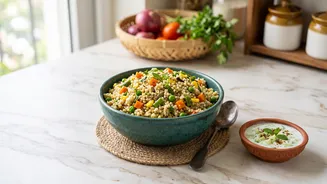
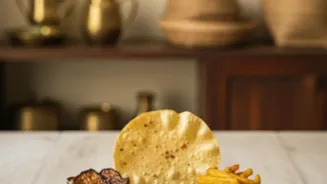
While millet pulao is a nutritious dish on its own$, pairing it with the right accompaniments turns it into a perfectly balanced lunch$. The classic and most complementary side dish is a simple bowl of raita$, a yoghurt-$based dip$. A cucumber or onion raita adds a cooling element that balances the warm spices of the pulao and contributes a dose of probiotics for gut health$. For an extra protein boost$, you can add cooked chickpeas or paneer cubes to the pulao itself$. Serving the pulao with a side of simple salad or some roasted papad adds a refreshing crunch and extra fibre$. These simple additions ensure your meal is well-$rounded$, providing a healthy mix of carbohydrates$, protein$, fats$, and essential nutrients to keep you satisfied and focused.