
The Science of Scent
The captivating aroma of roasted chestnuts comes from a bit of kitchen magic known as the Maillard reaction. This is a chemical transformation that occurs between amino acids and sugars when they are exposed to the dry, high heat of an oven, typically
above 140°C. This reaction creates hundreds of new aromatic compounds, resulting in a complex, nutty, and caramelized fragrance that we associate with all kinds of browned foods, from seared steak to toasted bread. Boiling, on the other hand, is a wet cooking method. Since water's boiling point is 100°C, it never gets hot enough to trigger the Maillard reaction. Boiling cooks the chestnuts by softening them, but it doesn't create those deep, toasted flavor molecules. Instead, some of the chestnut's natural flavors can leach out into the water, resulting in a milder taste.
Texture Tells a Tale
Beyond aroma and flavor, the two methods yield vastly different textures. Oven-roasting allows the moisture inside the chestnut to steam, cooking the starchy flesh to a tender, fluffy consistency that is often compared to a perfectly baked potato. The dry heat also helps to slightly dehydrate the exterior, concentrating the nut's natural sweetness. Boiled chestnuts, submerged in water, become much softer and more moist. While this can be ideal for certain applications, it can also lead to a waterlogged or sometimes mushy texture if you're looking for a simple snack. The final result of a boiled chestnut is creamy and buttery, but it lacks the satisfyingly firm bite of its roasted counterpart.
How to Achieve the Perfect Roast
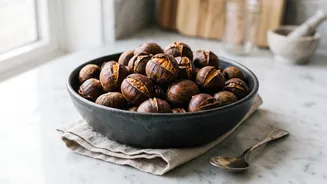
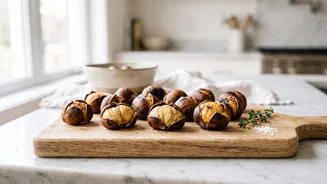
Getting that delicious roasted flavor and aroma at home is simple. First, preheat your oven to around 200°C (400°F). The most critical step is to score each chestnut. Using a small, sharp knife, carefully cut an 'X' on the flat side of each nut. This essential step allows steam to escape during cooking, preventing the chestnuts from exploding under pressure. Once scored, place the chestnuts on a baking sheet in a single layer. Roast for 15 to 30 minutes, depending on their size. You'll know they're done when the shells at the 'X' have curled back and the nut inside is tender. To make peeling easier, wrap the hot chestnuts in a clean towel for about 10 minutes after they come out of the oven; the trapped steam will help loosen the shells.
Tips for Roasting Success
To ensure your chestnuts are delicious, start with good quality ones. Look for nuts that are firm, shiny, and feel heavy for their size, avoiding any with holes or dull, soft shells. Some cooks recommend a quick soak in water before roasting. This can help rehydrate slightly older nuts and make the shells easier to peel later. You can also place a heatproof bowl of water in the oven while the chestnuts roast to create a steamy environment, which helps keep them from drying out. Once roasted and peeled, enjoy them warm. For extra flavor, you can toss the hot, peeled chestnuts with a little melted butter and salt or a sprinkle of cinnamon and sugar.
When Is Boiling a Better Choice?
While roasting is superior for snacking, boiling has its place. The soft, creamy texture of boiled chestnuts is perfect for recipes that require puréeing, such as velvety soups, dessert fillings, or rich sauces. If you plan to use chestnuts as an ingredient folded into stuffing or other dishes, their milder flavor and softer consistency from boiling can be an advantage, as they will readily absorb the flavors of the dish. Boiling is also sometimes used as a preliminary step to make peeling easier before a final, quicker roast to add flavor.