







The Deception of 'Clean' Water
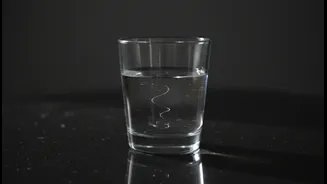
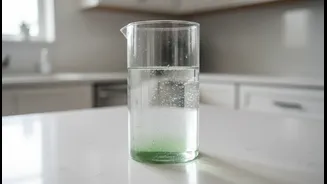
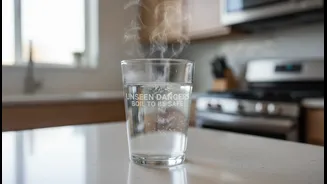
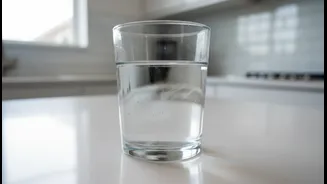
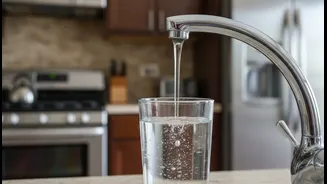
In a country where millions rely on groundwater, the belief that clear water is pure water is a common and risky misconception. Borewells, which tap into underground aquifers, can seem like a source of pristine water. However, the visual clarity of water is not
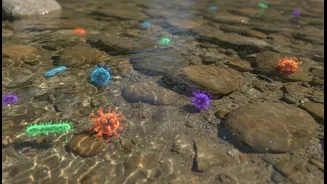
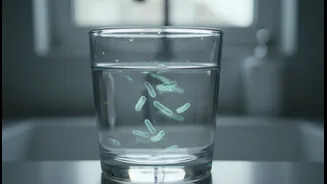
a reliable indicator of its microbiological safety. Groundwater can be contaminated with a host of invisible threats, including pathogenic bacteria, viruses, and dissolved chemicals that don't make the water cloudy or give it a strange taste. This is particularly true for shallow borewells in urban and semi-urban areas, which are vulnerable to contamination from sources like overflowing sewage systems, septic tank leakage, and agricultural runoff.
Understanding 'Cloudless' Contamination
The term 'cloudless inflows' refers to water that carries these unseen contaminants. While a standard sediment filter is designed to catch visible particles like sand, silt, and rust, it is ineffective against microscopic pathogens. The bacteria responsible for typhoid, Salmonella Typhi, is one such invisible invader. This bacterium can enter groundwater sources, especially during monsoon season when flooding can cause sewage to mix with aquifers that feed borewells. Because these pathogens are too small to be seen with the naked eye, the water appears perfectly clear and safe to drink, creating a false sense of security for unsuspecting families.
Why Basic Sediment Filters Fall Short
A standard sediment filter functions like a sieve, trapping physical debris. Its effectiveness is determined by its micron rating, which indicates the size of the particles it can block. While these filters are excellent for removing larger impurities that cause turbidity (cloudiness), their pores are far too large to capture bacteria and viruses. Salmonella Typhi bacteria are microscopic, and can easily pass through the mesh of a typical sediment filter. This means that even if you have a basic filtration system installed, your family could still be exposed to typhoid and other waterborne diseases if the water source is microbially contaminated.
The Typhoid Connection Explained
Typhoid fever is a serious systemic infection caused by ingesting food or water contaminated with Salmonella Typhi. The bacteria thrive in water sources polluted by human waste. In many parts of India, rapid urbanisation and inadequate sanitation infrastructure mean that groundwater sources are at a constant risk of contamination. During heavy rains, this risk escalates dramatically. Once consumed, even in small amounts, the bacteria can multiply in the body, leading to prolonged fever, weakness, abdominal pain, and potentially life-threatening complications. Because the contaminated water often looks, smells, and tastes normal, households may unknowingly consume it daily.
Your Guide to Effective Purification
To truly protect against typhoid and other pathogens, a multi-stage purification system is necessary. Relying on a single sediment filter is not enough. The most effective technologies for eliminating microbiological threats are Reverse Osmosis (RO) and Ultraviolet (UV) purification. An RO system uses a semi-permeable membrane with extremely fine pores to block dissolved solids, heavy metals, and microorganisms. A UV purifier exposes water to ultraviolet light, which destroys the DNA of bacteria and viruses, rendering them harmless. Many modern water purifiers combine RO and UV technologies for comprehensive protection, ensuring that the water is physically clean and microbially safe.
When in Doubt, Test Your Water
While advanced purifiers offer robust protection, the only way to be certain about the quality of your borewell water is to have it professionally tested. It is recommended to test your water supply at least once a year, and more frequently during the monsoon season. A laboratory test can identify the presence of harmful bacteria like E. coli and Salmonella, as well as high levels of nitrates, arsenic, or heavy metals. This information will empower you to choose the right purification system for your specific needs and ensure your family's drinking water is genuinely safe.