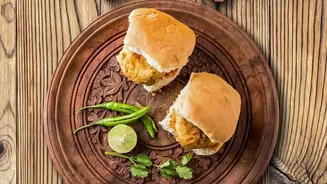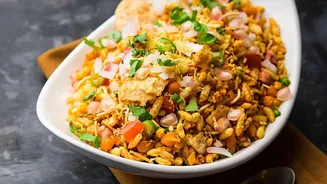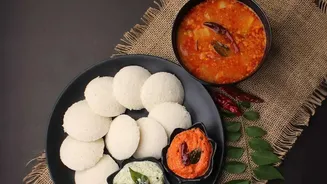

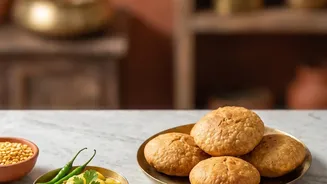

The sizzle of a vada pav, the tangy explosion of pani puri—Indian street food is an undeniable delight. But the very things that make it irresistible on the street can also pack a hidden punch of excess oil and sodium. Here’s why.
The Hidden Cost of Roadside Delights
The incredible taste
of street-side staples often comes from generous amounts of oil and salt, used to achieve that perfect crunch and addictive flavour. While delicious, this combination can be a major health concern. A single serving of popular items like pav bhaji or chana bhatura can contain a surprisingly high percentage of your daily recommended intake for fat and sodium. For instance, a plate of pav bhaji can have between 1,400 to 1,800 mg of sodium, while the daily recommendation from the World Health Organization is under 2,000 mg. This heavy-handed approach to seasoning and frying is a key reason why recreating these dishes at home offers a significant health advantage.
The Problem with Reused Cooking Oil
One of the most significant health risks associated with street food is the practice of reusing cooking oil. To cut costs, vendors often heat the same batch of oil repeatedly for frying items like samosas and kachoris. This process of repeated heating fundamentally alters the oil's chemical structure, leading to the formation of harmful substances like trans fats and toxic aldehydes. These compounds are linked to a host of chronic health issues, including increased 'bad' cholesterol, heart disease, and even a higher risk of certain cancers. The Food Safety and Standards Authority of India (FSSAI) has set limits on reusing oil, but enforcement among millions of street vendors remains a challenge. When you cook at home, you use fresh oil and have complete control over how it's used, eliminating this invisible threat.
Taking Control of Your Sodium Intake
The average salt consumption among Indians is more than double the daily limit recommended by the WHO. Much of this excess sodium comes not from home cooking, but from hidden sources like restaurant meals, packaged snacks, and street food. Street vendors rely on salt, chaat masala, and salty chutneys to make their food flavourful and appealing. While these taste great, they contribute to a massive sodium load that can lead to high blood pressure, kidney strain, and water retention. By cooking at home, you are in charge of the salt shaker. You can adjust the seasoning to your preference, relying more on spices, herbs, and lemon juice for flavour instead of just salt.
You Are the Quality Control Manager
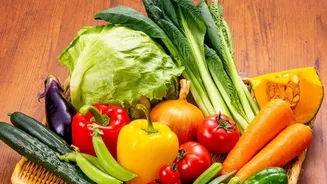
Beyond oil and salt, cooking at home allows you to control the quality of every single ingredient. You can choose fresh, seasonal vegetables, whole grains, and lean proteins. This is a luxury not always available on the street, where cost considerations may lead to the use of lower-quality produce or ingredients. Furthermore, home cooking ensures a higher standard of hygiene, reducing the risk of foodborne illnesses. From washing vegetables thoroughly to using clean utensils and surfaces, you become the ultimate guardian of your meal's safety and nutritional value.
Simple Swaps for Healthier Favourites
The best part about making street food at home is that you don't have to sacrifice flavour for health. Simple modifications can make a huge difference. Instead of deep-frying samosas or tikkis, try baking them or using an air fryer for that satisfying crispness with a fraction of the oil. When making pav bhaji, you can load up the 'bhaji' with a wider variety of vegetables and reduce the amount of butter. For chaats, preparing your own mint and tamarind chutneys allows you to control the sugar and salt content. You can also swap refined flour (maida) for whole wheat flour in items like bhature or momo wrappers to increase fibre.