


Why a Winter Safari?
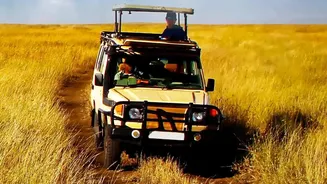
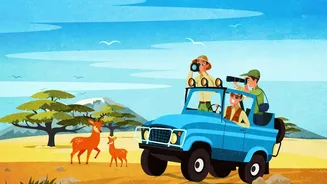
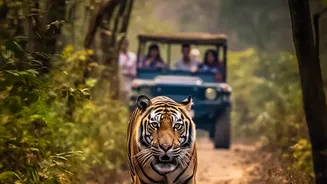
Choosing winter for an Indian safari, typically from November to February, comes with distinct advantages. The weather is cool and pleasant, making long hours in an open-air jeep comfortable and enjoyable. Animals, including tigers, are often more active
during the day, as they come out to bask in the sun. The post-monsoon foliage is less dense, improving visibility, and the misty mornings create a truly atmospheric and photographic experience. This season also coincides with the arrival of migratory birds, adding another layer of richness to your wildlife adventure.
Ranthambore National Park, Rajasthan
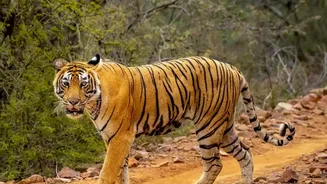
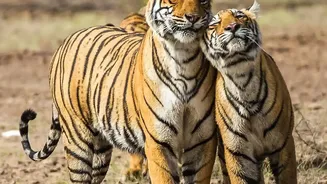
Famed for its frequent tiger sightings, Ranthambore is a top choice for a winter safari. The park’s landscape, a dramatic mix of rocky hills, grassy meadows, and ancient ruins including the formidable Ranthambore Fort, provides a stunning backdrop for wildlife photography. In winter, the daytime temperatures are pleasant, though mornings can be chilly. Tigers, leopards, sloth bears, and a variety of deer are regularly spotted. The park's numerous lakes, like Padam Talao, become hubs of activity, attracting both animals and a diverse range of birds.
Bandhavgarh National Park, Madhya Pradesh
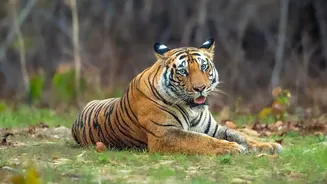
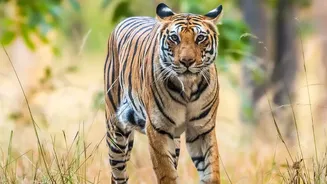
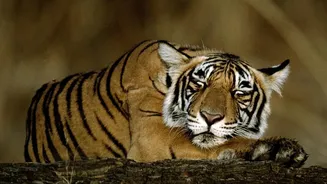
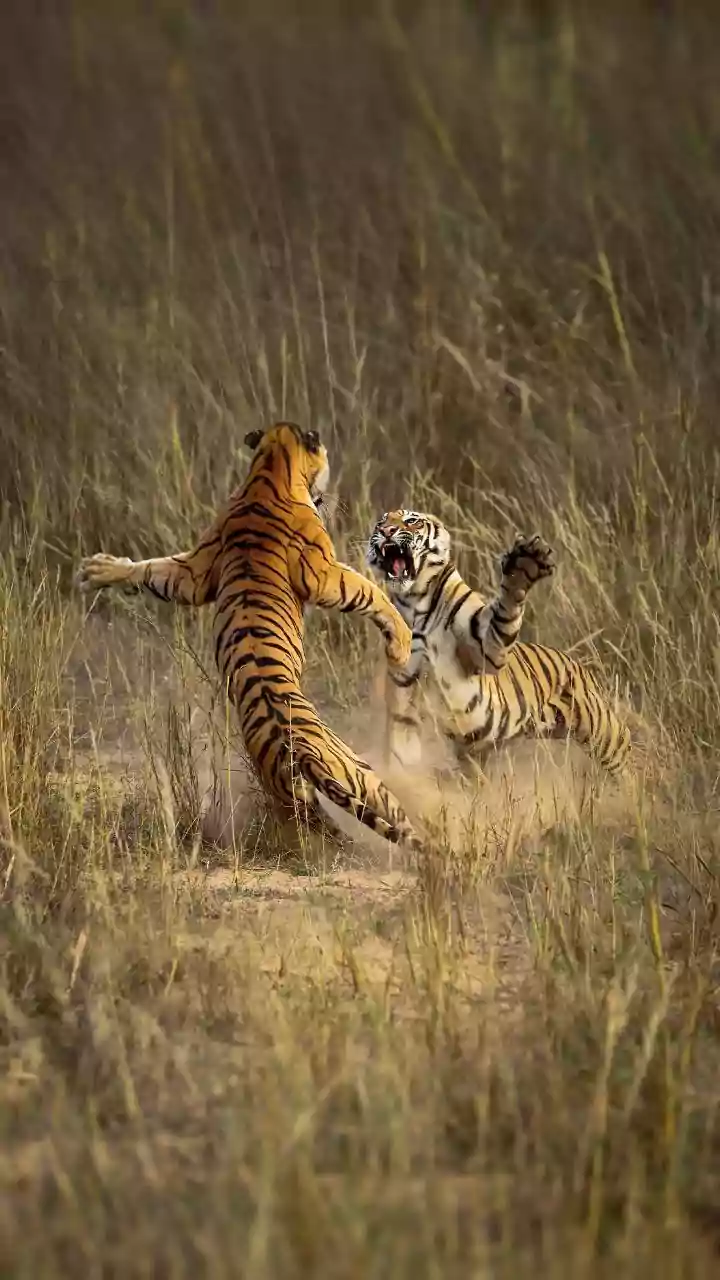
If your primary goal is to see a tiger, Bandhavgarh is hard to beat. It boasts one of the highest known densities of Bengal tigers in India, significantly increasing your chances of an encounter. The winter months are considered the most comfortable time to visit, with pleasant weather for safari drives. The park's terrain of sal forests and grasslands is not only prime tiger territory but also home to leopards, deer, and over 250 species of birds. Due to its popularity, especially in winter, it's crucial to book safari permits well in advance.
Jawai Leopard Conservation Reserve, Rajasthan
For a near-guaranteed leopard sighting, Jawai is unparalleled. This unique landscape of granite hills and open scrubland in Rajasthan is not a formal national park but a community-run reserve where leopards and humans coexist. Winter is unequivocally the best time to visit. The cooler temperatures mean the leopards, with a population of over 50, are more active during the day, often seen sunning themselves on the rocks. The experience is more intimate than a traditional park safari, offering a fascinating glimpse into a shared ecosystem.
Satpura National Park, Madhya Pradesh
Satpura offers a more diverse and quieter safari experience beyond the typical jeep tour. It's one of the few reserves in India where you can go on guided walking safaris, boat safaris, and canoeing excursions. While tigers are present, Satpura is particularly noted for its good population of leopards and sloth bears. The park's rugged terrain of sandstone peaks, gorges, and dense forest provides an excellent habitat for the elusive leopard, with sightings considered good compared to nearby tiger-dominant reserves. Winter provides comfortable conditions to explore this pristine wilderness.
Jim Corbett National Park, Uttarakhand
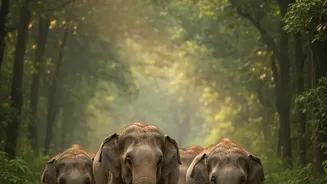
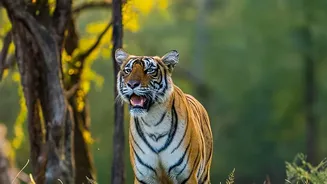
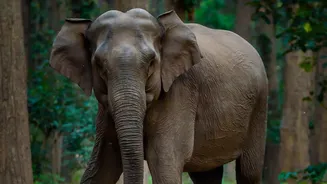
As India's oldest national park, Jim Corbett offers a classic wildlife experience. Nestled in the foothills of the Himalayas, its diverse landscape includes dense forests, grasslands, and the Ramganga River. The park has one of India's highest tiger counts and is also a fantastic destination for spotting elephants and a wide variety of birds, especially during the winter migration. The winter season, from November to February, is considered one of the best times to visit due to the cool, pleasant weather and improved chances of spotting tigers and other wildlife.