





The Search for New Flavours
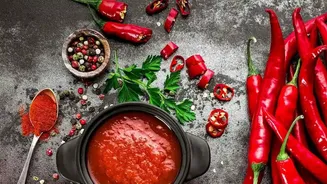
The primary driver behind this trend is a quest for bold, complex, and unique flavours. Chefs are moving beyond familiar spices to find new ways to excite the modern palate. The Bhut Jolokia, or ghost pepper, offers more than just its world-famous heat.
Beneath its fiery reputation lies a subtly fruity, sweet, and smoky flavour profile that adds incredible depth to dishes. It’s not just about pain; it’s about a balanced intensity that can elevate everything from curries to cocktails. Similarly, fermented ingredients like Nagaland's 'axone' (soybeans) and Assam's 'khorisa' (bamboo shoots) provide a powerful punch of umami—the savoury fifth taste. Axone, in particular, is known for its intensely aromatic and rich flavour, allowing chefs to build complex stews and sauces with a single, potent ingredient. These ingredients offer a way to create memorable dishes that stand out in a crowded market.
A Taste of Authenticity and Story
Today’s diners are increasingly curious about the origins of their food. They crave authenticity and a connection to regional culinary traditions. Ingredients from the Northeast come with a powerful sense of place and a rich cultural history. Fermentation, for example, is not a new trend in the region but a generations-old practice of preservation and flavour development. Using ingredients like 'tungrymbai' (Khasi fermented soybeans) or 'ngari' (Manipuri fermented fish) is a way for restaurants to tell a deeper story about India's diverse food landscape. This movement taps into a desire for genuine food experiences, moving beyond generic pan-Indian menus to spotlight hyper-local traditions that have been largely unexplored in mainstream dining.
Chefs as Cultural Bridge-Builders
Chefs are acting as crucial ambassadors, thoughtfully introducing these intense flavours to new audiences. Many are not simply adding a shock-value chilli to the menu; they are creating balanced, contemporary dishes that respect the ingredient's origins. You might find Bhut Jolokia infused in honey to drizzle over a salad, or axone used to create a deep, savoury broth for a modern stew. Chefs from the Northeast, in particular, are using their personal heritage to create modern interpretations of dishes from their childhood, challenging stereotypes and showing that the region’s cuisine is nuanced and sophisticated. This chef-led exploration helps make unfamiliar ingredients like fermented bamboo shoots or pungent soybean pastes more approachable for urban diners.
The Rise of Fermentation and Wellness
There is a growing global and national interest in fermented foods for their health benefits. Fermentation is a natural process rich in probiotics, which are beneficial for gut health and overall immunity. While this has long been understood in traditional food systems, it's now becoming a major wellness trend in urban centres. The embrace of Northeast fermented products aligns perfectly with this movement. Ingredients like 'gundruk' (fermented leafy greens) and 'kinema' (fermented soybeans from Sikkim) are not just flavour enhancers but also nutritional powerhouses. As consumers become more health-conscious, the appeal of foods that are both delicious and beneficial is a significant factor in their growing popularity on café menus.