





Master the Art of Ventilation
The simplest and most effective weapon against humidity is good old-fashioned airflow. Trapped, stagnant air is humid air. Make it a daily ritual to open windows and doors for at least 15-20 minutes, preferably in the morning, to let fresh air circulate
and push damp air out. [15, 18] If you live on a busy street, creating a cross-breeze by opening windows on opposite sides of your flat works wonders. [24] Don't forget to use those exhaust fans in the kitchen and bathroom. [17] Run them during and for a few minutes after cooking or showering to expel moisture right at the source before it can spread through your home. [23] To prevent mould, also try to leave a little space between your furniture and external walls to improve airflow. [15]
Bring in a Dehumidifier
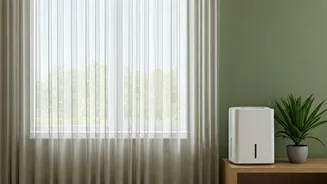
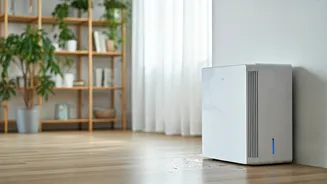
For chronically damp spaces, an electric dehumidifier is a worthy investment. [21] These appliances are designed specifically to pull excess moisture from the air, collecting it as water in a tank. [26] They are particularly effective in enclosed rooms, basements, or any area that suffers from poor ventilation. [26] Modern dehumidifiers often come with smart features, allowing you to set a target humidity level. [17] If you're looking for a non-electric, low-cost alternative for smaller spaces like wardrobes and cabinets, consider passive moisture absorbers. Products containing calcium chloride, silica gel packs, or activated charcoal sachets are excellent for this purpose. [3, 9, 10]
Harness Natural Moisture Absorbers
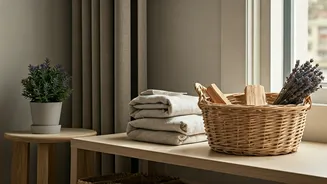
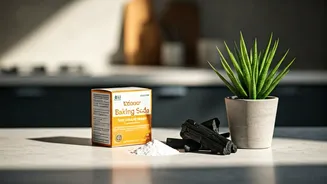
You can fight humidity with common household items. Baking soda is a fantastic moisture absorber for small, enclosed areas like cupboards or under sinks. [2, 3] Simply place an open box or a bowl of it in the damp area. [2] Another powerful and affordable option is placing bowls of rock salt or charcoal briquettes in corners of a room. [13] They naturally draw moisture from the air. [13] For wardrobes, the age-old Indian trick of placing dried neem leaves or camphor balls in a muslin bag not only absorbs moisture but also acts as a natural pest repellent and keeps clothes smelling fresh. [11]
Recruit Some Greenery
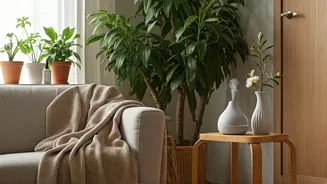
Believe it or not, certain houseplants can help manage indoor humidity. Plants like Peace Lilies, Boston Ferns, Spider Plants, and various types of Palms absorb moisture through their leaves. [4, 5, 7] This makes them natural, aesthetically pleasing dehumidifiers. [4] A Peace Lily is great at absorbing moisture through its leaves, while also purifying the air. [7] Boston Ferns thrive in humid environments and are known for their ability to soak up airborne moisture. [4, 7] Adding a few of these plants to your home, especially in damper areas like bathrooms or kitchens, can help balance humidity levels while enhancing your decor. [4]
Protect Your Wardrobe
The battle against dampness is often most intense inside our closets, leading to musty-smelling clothes and the risk of mould. First, ensure clothes are completely dry before storing them. [9] If possible, briefly ironing clothes on a low heat setting can zap any final bits of lingering moisture. [10] Use breathable fabric storage bags instead of plastic ones for items you don't wear often. [10] Leave wardrobe doors slightly ajar to improve air circulation. [15] Placing moisture absorbers like silica gel packs, camphor, or even sticks of chalk inside can make a huge difference in keeping your clothes crisp and fresh. [9, 11]
Check for Sneaky Leaks
Sometimes the problem isn't just ambient humidity, but a specific source of water. A persistent damp patch on a wall or floor could signal a hidden problem. Regularly inspect under sinks, around toilets, and near AC units for any signs of small leaks or drips. [18] Even a tiny, slow leak can release a surprising amount of moisture into your home, creating a localized dampness problem. [2] Sealing any gaps around windows and doors with weather stripping can also prevent humid outdoor air from seeping inside, especially during rainy seasons. [17]