


1. Millets Instead of Rice and Wheat
For generations, wheat and rice dominated the Indian plate. Now, ancient grains like jowar (sorghum), bajra (pearl millet), and ragi (finger millet) are making a major comeback. This shift is propelled by the numerous health benefits millets offer. They
are naturally gluten-free, rich in fibre, and have a lower glycemic index, which helps in managing blood sugar levels. With the government also promoting their use, these versatile grains are now appearing in everything from rotis and dosas to breakfast cereals and cookies.
2. Makhana Instead of Fried Snacks
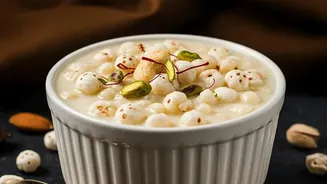
Phool makhana, or fox nuts, have transitioned from a traditional fasting food to a mainstream daily snack. Roasted and lightly seasoned, they offer the satisfying crunch of potato chips or fried namkeen without the associated guilt. Makhanas are incredibly light, low in calories, and provide plant-based protein and essential minerals like magnesium and potassium. Their high fibre content also helps in keeping you feeling full for longer, making them an ideal choice for mindful snacking.
3. Jaggery or Date Syrup Instead of Refined Sugar
The search for healthier sweeteners has led many back to traditional options like jaggery (gur) and date syrup. Unlike highly processed white sugar, these natural sweeteners are less refined and retain trace minerals. Jaggery, for instance, contains iron and magnesium. While they are still forms of sugar and should be consumed in moderation, they are often preferred for their perceived naturalness and gentler processing, finding their way into daily tea, coffee, and homemade sweets.
4. Cold-Pressed Oils Instead of Refined Oils
The debate between cold-pressed and refined oils is heating up in Indian kitchens. Cold-pressed oils are extracted without using high heat or chemical solvents, which helps them retain more natural nutrients, antioxidants, and flavour. While refined oils have a higher smoke point, making them suitable for deep frying, many consumers are switching to cold-pressed groundnut, coconut, or mustard oils for everyday cooking to maximize nutritional benefits.
5. Jackfruit Instead of Meat
Raw jackfruit, or 'kathal', has been a staple in Indian cuisine for centuries, but it's now gaining global recognition as a plant-based meat substitute. Its fibrous, stringy texture, when cooked, mimics that of pulled pork or chicken. Unripe jackfruit has a neutral flavour, allowing it to absorb spices beautifully, making it perfect for curries, biryanis, and even tacos. It's a low-calorie, high-fibre option for those looking to reduce their meat consumption.
6. Quinoa or Amaranth Instead of Rice
While millets are a local alternative, grains like quinoa and amaranth (rajgira) are also finding a place on the Indian dining table. Quinoa is prized for being a complete protein, containing all nine essential amino acids. Amaranth is an indigenous 'superfood' packed with protein and calcium. Both are gluten-free and serve as a nutrient-dense substitute for polished white rice in dishes like pulao, khichdi, or as a simple side dish.
7. Plant-Based Milks Instead of Dairy
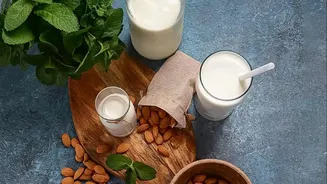
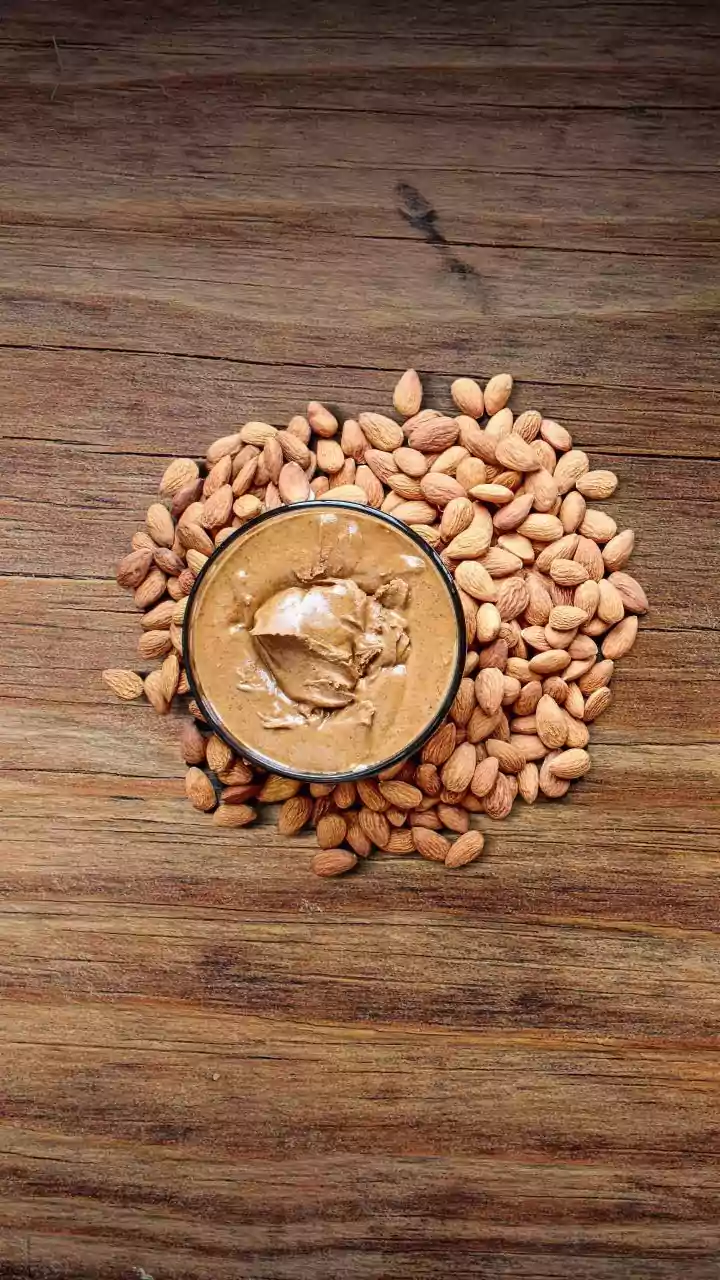
The plant-based movement is rapidly growing in India, with an increasing number of consumers trying vegan diets. This has led to a surge in the popularity of plant-based milks made from oats, almonds, soy, and coconut. These alternatives cater to those with lactose intolerance, dairy allergies, or ethical concerns. While dairy remains a cultural staple, these plant-based options are becoming common in urban cafes and homes for use in coffee, tea, and cereals.
8. Cauliflower or Broccoli Rice Instead of White Rice
For those on low-carb or grain-free diets, vegetable 'rice' has become a popular innovation. By grating cauliflower or broccoli into rice-sized granules, people are creating a light, low-calorie base for their meals. This swap significantly cuts down on carbohydrates and calories while increasing vitamin and fibre intake. It's an easy way to incorporate more vegetables into a meal, often used as a substitute in stir-fries and rice bowls.
9. Sweet Potatoes Instead of Potatoes
The humble sweet potato ('shakarkandi') is being seen in a new light. While regular potatoes are a staple, sweet potatoes offer a different nutritional profile. They are an excellent source of Vitamin A and have a slightly lower glycemic index. This means they release sugar into the bloodstream more slowly. From baked wedges and fries to sabzis and chaat, the sweet potato is being used as a direct and nutritious replacement for its more common cousin.
10. Greek Yoghurt Instead of Flavoured Yoghurt
Even the dairy aisle is seeing a health-conscious shift. Shoppers are moving away from sugary, dessert-like flavoured yoghurts and opting for Greek yoghurt or other high-protein, strained curds. Greek yoghurt is thicker, creamier, and contains significantly more protein, which promotes satiety. Consumers often prefer to buy it plain and add their own fresh fruit or natural sweeteners, giving them more control over the sugar content.