




The Urban Squeeze Meets Smart Design
In cities like Mumbai, Bengaluru, and Delhi, high property costs and the demand for flexible living have made co-living a popular choice for students and young professionals. However, this lifestyle often comes with a trade-off: limited personal space.
The challenge is to make a compact room feel like a functional, comfortable home. This is where modular furniture steps in, shifting the focus from the lack of square footage to the intelligence of the design. It’s not about having less; it’s about using smarter pieces that do more, transforming cramped quarters into organised, livable environments.
What is Modular Magic?
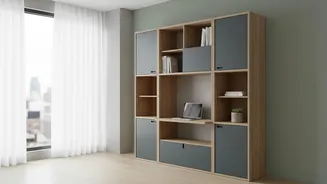
Modular furniture consists of individual, customisable pieces that can be arranged and reconfigured to suit specific needs. Unlike traditional, static furniture, modular systems are built for flexibility. Think of a bed with deep drawers underneath that eliminates the need for a separate chest, or a wardrobe that extends to the ceiling to capture unused vertical space for seasonal storage. The core principle is multifunctionality—a single piece serves multiple purposes, such as a sofa that converts into a bed for guests or a coffee table with hidden storage. This adaptability is the key to maximising a small footprint without sacrificing style or comfort.
Transforming the Personal Nook
In a co-living setting, the bedroom is more than just a place to sleep; it’s often a study, a workspace, and a relaxation zone. Modular solutions are making this possible. Wall beds, also known as Murphy beds, can fold away during the day to free up the entire floor for other activities. Some even come integrated with a sofa or a desk. Another game-changer for tight rooms is the sliding door wardrobe, which doesn't require swing space, allowing for more flexible room layouts. Similarly, a wall-mounted foldable table can function as a work desk and then disappear when not in use, preventing the room from feeling permanently cluttered.
Smarter Shared Spaces
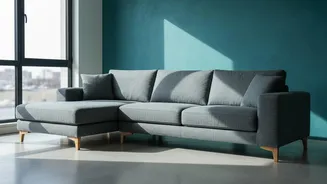
The trend extends beyond the private room and into communal areas. In shared living rooms, modular sectionals can be reconfigured to accommodate movie nights, social gatherings, or quiet reading corners. Extendable dining tables that are compact for daily use but can expand for group meals are another popular solution. In the kitchen, modular units with features like pull-out baskets and dedicated spice racks ensure every inch of cabinet space is used efficiently, keeping countertops clear and the area organised—a crucial element for harmonious shared living.
More Than Just Furniture
The impact of modular furniture is psychological as much as it is physical. By providing smart storage and reducing clutter, it helps create a more serene and organised living environment. This fosters a sense of control and ownership over one's personal space, even within a shared apartment. The ability to customise a layout to fit personal routines and needs improves overall well-being and makes co-living a more comfortable and sustainable choice. The focus on quality, sustainable materials in many new designs also means these pieces are built to last, reducing waste and aligning with a more conscious consumer mindset.