


The Moon: A Stepping Stone to the Stars
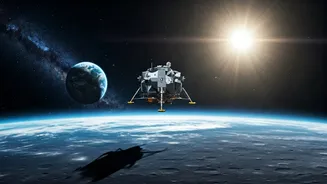
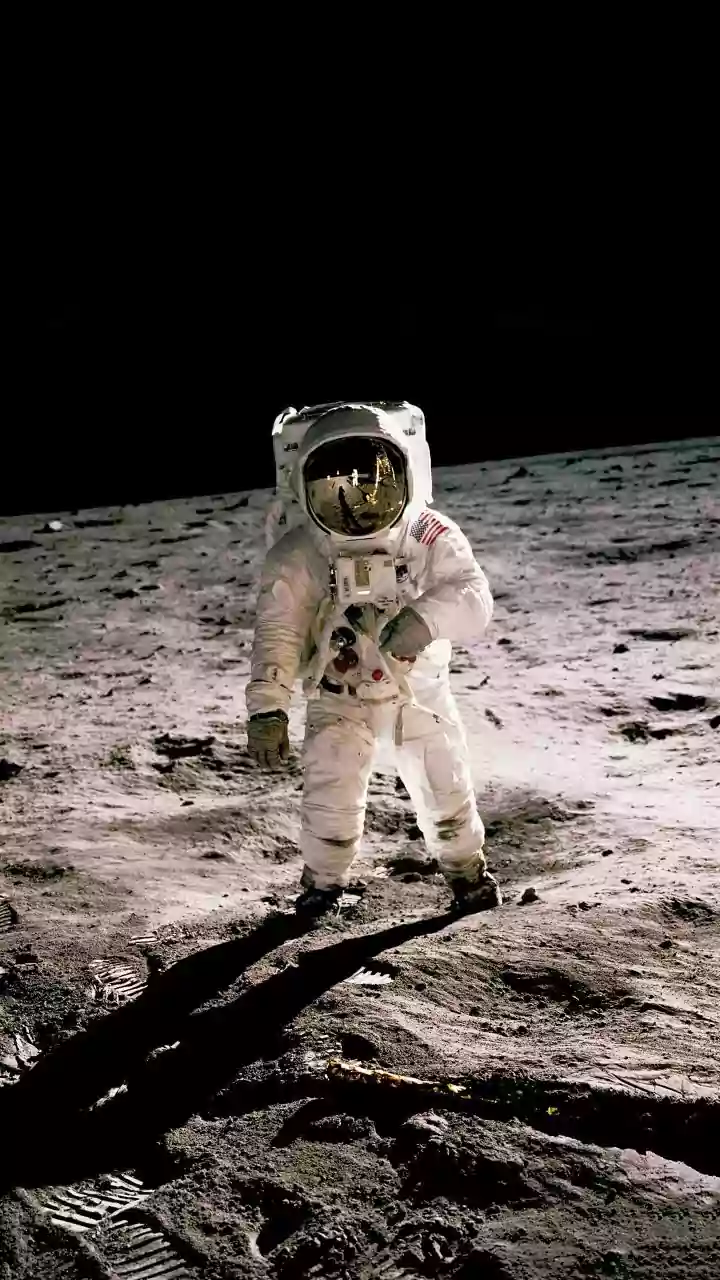
The current lunar rush isn't just a repeat of the 1960s. Today, the goal isn't just to plant flags, but to build a sustained presence. Countries like the U.S. and China are spearheading rival efforts to establish bases on the Moon, particularly at the south
pole, which is believed to hold water ice. This ice could be converted into drinking water, breathable oxygen, and even rocket fuel, making the Moon a vital refueling station for more ambitious missions deeper into the solar system. For India, the historic success of Chandrayaan-3, which made it the first nation to land on the lunar south pole, is a monumental achievement that paves the way for future sample return missions like Chandrayaan-4 and collaborative exploration.
The Mars Horizon: Humanity's Next Giant Leap
Mars remains the ultimate long-term prize in human space exploration. NASA is methodically working towards sending astronauts to the Red Planet, using the Moon as a crucial testing ground. The U.S. National Space Policy explicitly links lunar activities to eventual Mars missions. China also has a clear roadmap for Mars, including a crewed landing. Meanwhile, private companies like SpaceX are developing powerful rockets like Starship with the explicit goal of colonising Mars. India, having already achieved a spectacular success with its Mars Orbiter Mission (Mangalyaan), is planning a follow-up, Mangalyaan-2, which is expected to include a lander and rover, further cementing its position as a key player in interplanetary exploration.
The New Gold Rush: Mining Asteroids
Beyond planets, the new space race has a significant commercial and resource-driven dimension: asteroid mining. Asteroids are rich in valuable resources, including platinum-group metals, which are essential for modern electronics, and water ice. An asteroid just two kilometers wide could contain trillions of dollars worth of metals like nickel, cobalt, and iron. China's Tianwen-2 mission is targeting an asteroid to test sampling techniques that could be applicable to future resource mining. This 'gold rush' isn't just about wealth; it's about building a self-sustaining in-space economy. Water from asteroids could be used for life support and split into hydrogen and oxygen for rocket fuel, dramatically lowering the cost of deep-space travel.
Dominating Cislunar and Earth Orbit
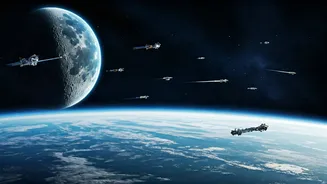
The race also extends to the strategic space between Earth and the Moon, known as cislunar space. Military and strategic thinkers in the U.S. and China view this region as the new 'high ground,' crucial for monitoring space traffic and protecting national assets. Controlling Lagrange points—stable orbital locations—could offer significant advantages. Closer to home, low-Earth orbit (LEO) is bustling with activity. We're seeing the deployment of massive satellite mega-constellations for global internet and the planning of new commercial space stations to succeed the ISS. India is also a key participant here, with plans for its own space station, the Bharatiya Antariksh Station, by 2035 and a growing launch capacity to serve the booming satellite market.
India's Multi-Pronged Ambition
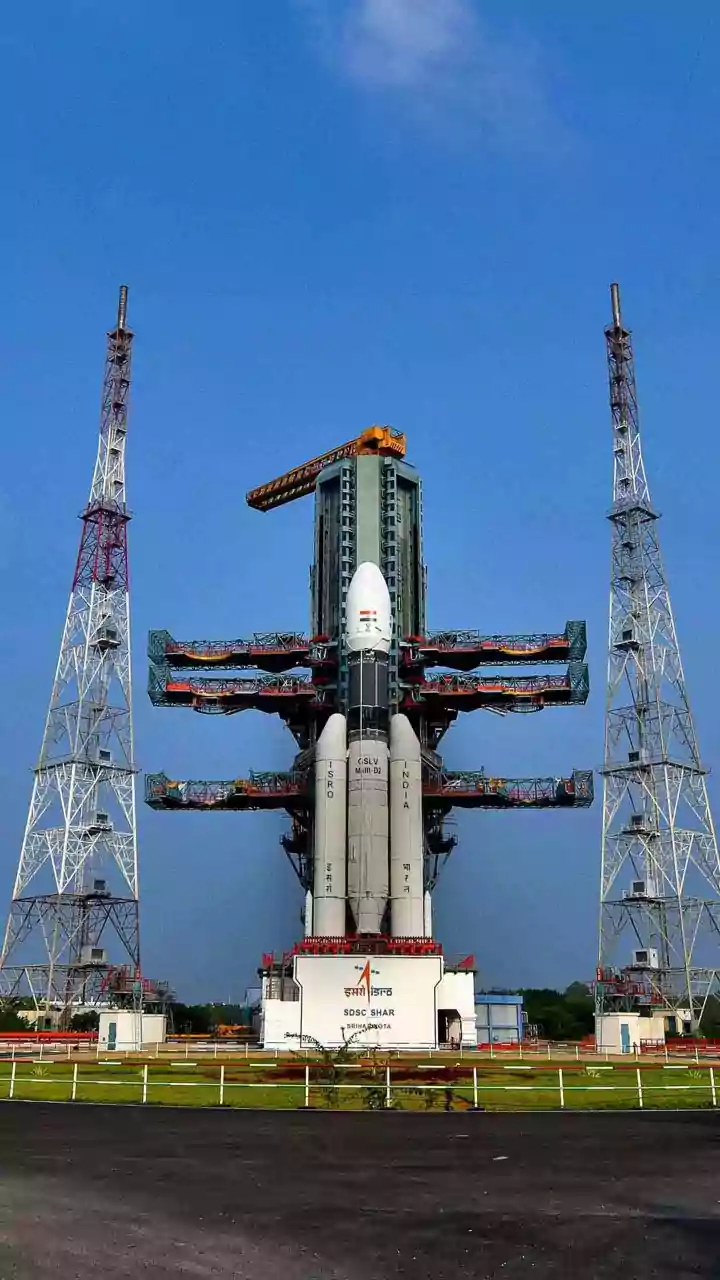
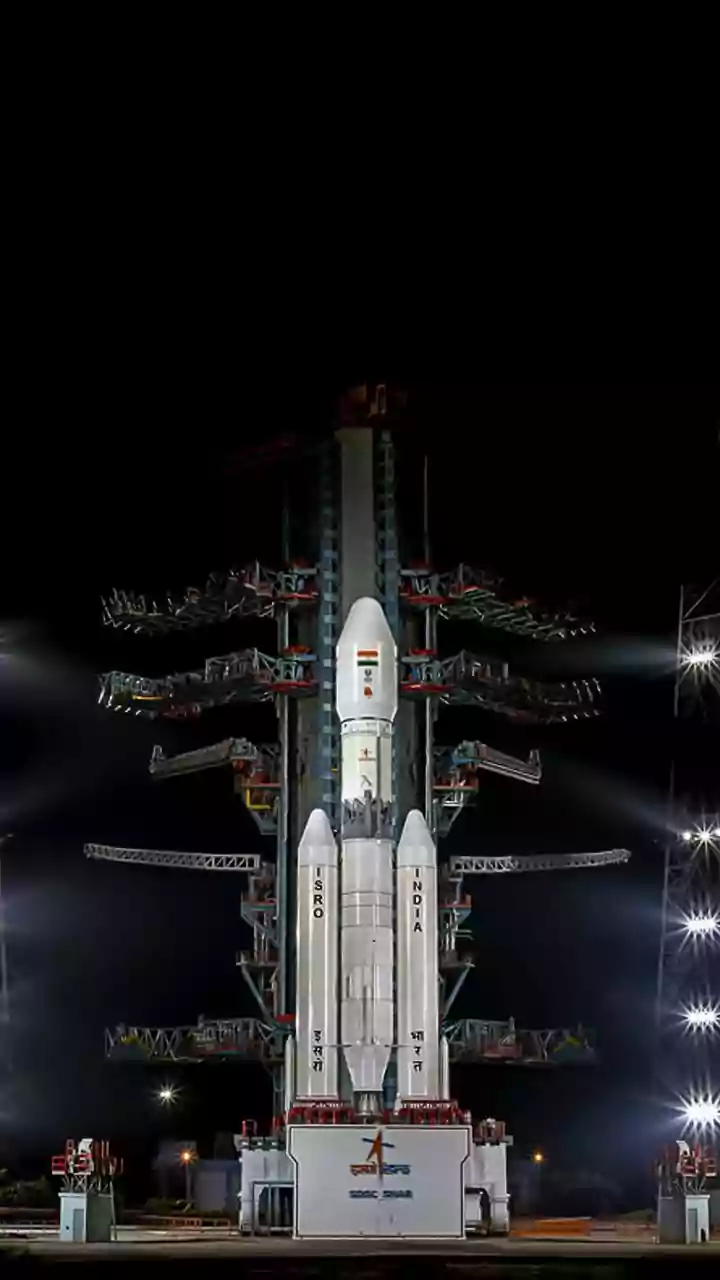
India's space strategy is impressively diverse. While Chandrayaan captures public imagination, ISRO is pursuing multiple frontiers simultaneously. The Gaganyaan mission is set to make India the fourth nation to send its own astronauts into space. The Aditya-L1 mission is already studying the Sun from a unique vantage point. Ambitious future plans include Shukrayaan, a mission to Venus, and a collaborative lunar exploration with Japan called LUPEX. This is all part of a grander 'Space Vision 2047,' which aims to establish India as a leading space power with a lunar landing by an Indian astronaut by 2040 and a sustained presence through the Bharatiya Antariksh Station.