



Become a Dampness Detective
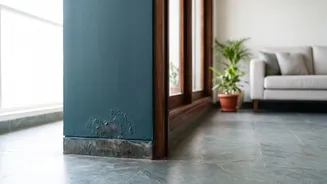
The most common post-monsoon complaint is dampness, which can cause peeling paint, a musty odour, and damage to your belongings. Begin by thoroughly inspecting walls and ceilings, especially in corners and behind large furniture. Look for dark, discoloured
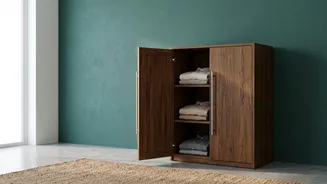
patches, bubbling paint, or white, powdery deposits. These are tell-tale signs of water seepage that needs attention. Don't forget to check inside wardrobes and kitchen cabinets, as these enclosed spaces are prime spots for moisture to get trapped. If you have wooden furniture, check for swelling or warping, as wood is highly susceptible to moisture damage. A simple but effective trick is to move furniture a few inches away from the walls to allow air to circulate freely, preventing moisture build-up.
Winning the War on Mould
Where there is dampness, mould is often not far behind. This fungus thrives in humid conditions and can pose health risks, particularly for those with allergies or respiratory issues. Your inspection should focus on areas with poor ventilation, like bathrooms, kitchens, and storerooms. Check around window frames, under sinks, and on bathroom ceilings for black or greenish spots. Good ventilation is your strongest defence. On dry, sunny days, open windows and doors to let fresh air circulate. Use exhaust fans in the kitchen and bathroom religiously to expel moist air. For persistent dampness in cupboards, placing moisture absorbers like silica gel pouches or even a small bowl of baking soda can be surprisingly effective.
The Great Drain Unclog
Months of rain can wash leaves, silt, and debris into drainage systems, leading to blockages. A clogged drain on your balcony or terrace is a recipe for disaster, as overflowing water can easily seep back into your living room. First, visually inspect all drain outlets to ensure they are clear of any visible obstructions. Then, test them. Pour a bucket of water down each drain in your balconies and bathrooms and watch how quickly it clears. If the water pools or drains sluggishly, it’s a sign of a partial blockage that needs to be addressed before it worsens. This simple test can save you from dealing with waterlogging inside your home during the next unexpected downpour.
Window and Pipe Patrol
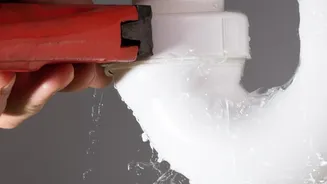
Leaky windows are a common entry point for rainwater. Inspect the sealant around your window frames for any cracks or gaps. Check the window tracks for any blockages that might cause water to overflow inwards. Similarly, conduct a quick check of your home's plumbing. Look for any signs of moisture or small drips under sinks, around toilet bases, and near geyser fittings. Even a minor, slow leak can contribute to overall dampness and encourage mould growth over time. Catching these small issues early is far easier and cheaper than dealing with major water damage later.
An Essential Electrical Safety Check
Dampness and electricity are a dangerous combination. The post-monsoon period is the perfect time for a quick electrical safety audit. Examine switchboards and sockets, especially those on walls that showed signs of dampness. Look for any discolouration or scorch marks. Test your circuit breakers (ELCB or MCB) to ensure they are functioning correctly; these are your first line of defence against short circuits caused by moisture. If you notice any flickering lights or have any concerns about exposed wiring, do not attempt to fix it yourself. This is a job for a qualified electrician.
Communicating with Your Landlord
As a renter, your responsibility is to identify and report issues promptly. Once you have completed your inspection, document your findings. Take clear photographs or videos of any damp patches, mould, significant cracks, or drainage problems. Send this documentation to your landlord in writing, clearly explaining the issues and requesting repairs. Having a written record is crucial. Most tenancy agreements stipulate that structural issues like leaks and major plumbing are the landlord's responsibility to fix. Proactive and clear communication is the best way to ensure your home remains safe and comfortable.