



A World Built on Coral
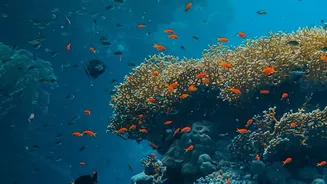
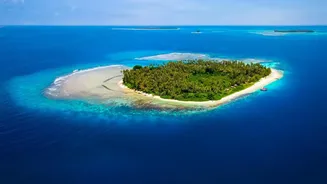
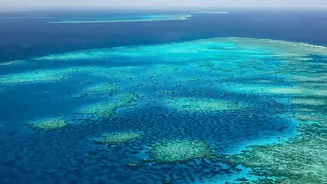
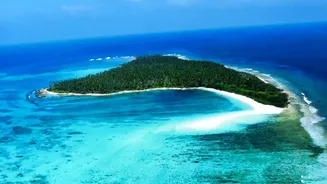
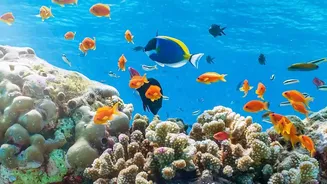
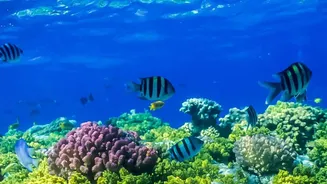
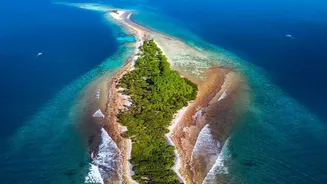
The Lakshadweep archipelago is a unique geographical marvel, composed of 36 islands, many of which are low-lying atolls that rise just a few metres above sea level. These islands don't just have reefs; they are protected by them. The vast coral ecosystems
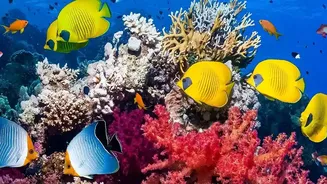
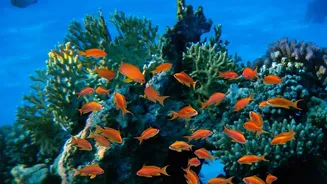
act as natural barriers, absorbing wave energy and shielding the land from erosion. However, these vital guardians are under threat. Rising sea surface temperatures due to climate change have caused several mass coral bleaching events in recent decades, stripping the reefs of their colour and life. This fragility is precisely why the role of every visitor is so critical. The health of the reef is directly linked to the survival of the islands themselves.
Preservation Begins with a Permit
Gaining entry to Lakshadweep is a carefully managed process, and for good reason. All visitors, both Indian and foreign, must secure an entry permit from the administration. This often involves sponsorship from a local contact or resort and, for domestic tourists, a police clearance certificate. While it may seem like a layer of bureaucracy, this system is a cornerstone of the islands' conservation strategy. It allows the administration to manage the number of visitors, preventing the kind of over-tourism that has damaged other fragile destinations. Furthermore, visitors are required to pay a daily heritage fee, which directly contributes to funding environmental preservation and conservation projects across the islands.
The Golden Rules of the Reef
Once on the islands, visitors are expected to adhere to a strict set of environmental guidelines. The most important rule is to avoid all physical contact with the coral. Standing on, touching, or breaking coral is strictly prohibited and punishable by law. Corals are not rocks; they are colonies of tiny living animals, and a single touch can damage or kill them. Visitors are also forbidden from collecting any marine life, including shells and coral fragments, as souvenirs. Another key initiative is the complete ban on single-use plastics to fight marine pollution. Travelers are advised to carry reusable bottles and dispose of all waste responsibly in designated bins. These rules are constantly reinforced by tour operators and educational materials.
Mindful Marine Exploration
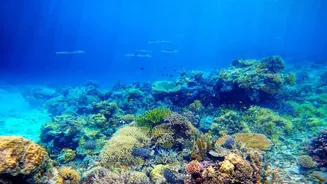
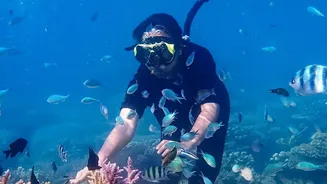
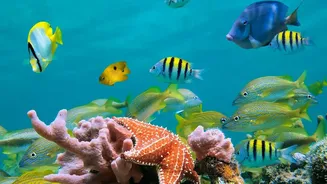
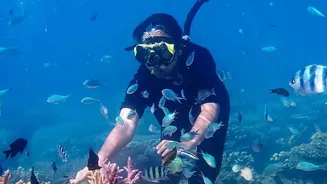
Lakshadweep's main attractions are its underwater wonders, and the guidelines extend to activities like snorkelling and scuba diving. Responsible tourism operators ensure that all marine activities are conducted with minimal impact. Divers are taught to maintain proper buoyancy control to keep their fins and equipment from striking the delicate reef structures. The guidelines also prohibit feeding fish or chasing marine animals like turtles and rays simply to get a better photograph. The aim is to observe the marine world in its natural state without causing stress or altering animal behaviour. By choosing licensed guides, tourists support the local economy and ensure they are exploring with professionals trained in eco-friendly practices.
A Conscious Choice for Conservation
Lakshadweep is actively shaping its future around a principle of 'low-volume, high-value' tourism. The administration is focused on developing a sustainable model where economic progress and environmental conservation go hand in hand. This involves promoting eco-friendly infrastructure, such as resorts that use solar power and rainwater harvesting, and ensuring that local communities are the primary beneficiaries of the tourism economy. For a visitor, this means that a trip to Lakshadweep is more than just a vacation. By respecting the entry process, honouring the local rules, and consciously choosing eco-friendly options, tourists transform from passive observers into active partners in one of India’s most important conservation stories.