




Beyond the All-or-Nothing Approach
For years, the conventional wisdom around enjoying festive foods has been a cycle of feast and famine. We either indulge without limits, feeling guilty afterwards, or restrict ourselves completely, feeling deprived. Portion awareness offers a healthier,
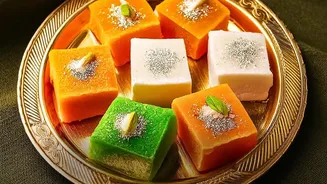
more balanced middle path. It’s not about banning your favourite gulab jamun or kaju katli, but rather about understanding how to fit it into your life mindfully. This approach empowers you to participate in cultural traditions without feeling like you've derailed your health goals. The focus shifts from restriction to conscious enjoyment, which is far more sustainable in the long run.
What Is Portion Awareness, Really?
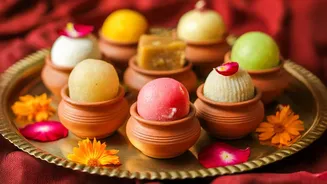
Portion awareness is more than just eating smaller amounts; it’s about being conscious of how much food you are consuming and how that fits into your overall daily nutritional needs. It’s a form of mindful eating. Instead of using a weighing scale for every ladoo, you can use simple visual cues. A single piece of barfi, one gulab jamun, or a small cup of kheer is a portion. The goal is to savour the experience. Studies show that the first few bites of a treat provide the most pleasure. By eating slowly and without distraction, a smaller portion can feel just as satisfying as a larger one. It helps you recognise your body's fullness signals, preventing the discomfort of overeating.
Practical Tips for Your Mithai Plate
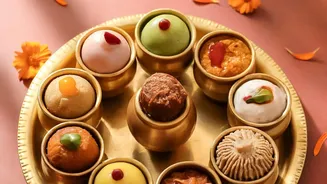
Applying portion control during festivals or family gatherings can be simple. One effective strategy is the 'one-plate rule': decide what you want to eat, arrange it on a small plate, and stick to that serving. This prevents mindless trips back to the dessert table. Another tip is to pick your absolute favourites. Instead of sampling everything on offer, choose one or two mithai you truly love and savour them. Sharing a larger sweet with a friend or family member is another excellent way to enjoy the taste without consuming the whole portion. At home, you can serve sweets in smaller, bite-sized pieces, which gives the satisfaction of variety without the high calorie load.
Know Your Sweets
Not all mithai are created equal in nutritional content. Many modern and traditional recipes offer healthier alternatives. Sweets made with natural sweeteners like dates, jaggery (gur), or honey can be better choices than those loaded with refined sugar. Similarly, mithai that incorporate nuts, seeds, and whole grains like ragi or oats add beneficial fibre, protein, and healthy fats. For instance, a dry fruit ladoo or an anjeer barfi is naturally sweetened and nutrient-dense. Baked versions of traditionally fried sweets, like baked gulab jamun or shakarpara, can also significantly reduce the fat content. Being aware of these options allows you to make more informed choices.
Mindful Enjoyment is Key
How you eat is just as important as what you eat. Mindful eating encourages you to engage all your senses. Before you even take a bite, notice the colour, texture, and aroma of the mithai. Eat slowly, putting your fork or spoon down between bites, and chew thoroughly. Avoid eating while distracted, such as in front of the television, as this often leads to mindless overconsumption. When you are fully present, you appreciate the flavour more deeply, and your brain has time to register that you are satisfied. This practice transforms a small treat from a fleeting snack into a memorable, fulfilling experience.
Balancing the Rest of Your Day
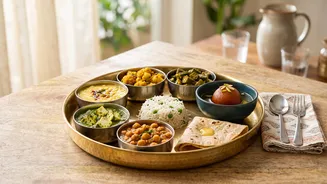
Enjoying a piece of mithai doesn't 'ruin' a healthy day. The key is balance. If you know you'll be indulging in a sweet treat, you can make small adjustments to your other meals. Perhaps you opt for a lighter dinner, add extra vegetables to your lunch, or go for a brisk walk. It's also helpful to have your sweet after a balanced meal rather than on an empty stomach, as the fibre and protein from the meal will help slow down the absorption of sugar and prevent a sharp spike in blood glucose levels. Think of your daily nutrition as a whole, where a small, joyful indulgence can easily fit without issue.