


Why Monsoon Is a Perfect Storm for Bacteria
The rainy season creates an ideal environment for harmful bacteria like Salmonella, E. coli, and various fungi to thrive. The key culprits are increased moisture in the air (humidity) and consistently warm temperatures, which together accelerate microbial
growth on food surfaces. According to the Food Safety and Standards Authority of India (FSSAI), the risk of foodborne diseases rises significantly during this period. Unlike dry weather where food might last longer, the damp, warm conditions of monsoon mean that bacteria can multiply rapidly, often without changing the food's smell, taste, or appearance.
Rethinking the 'Two-Hour Rule'
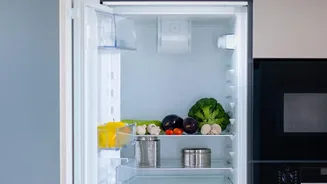
Food safety experts generally advise the 'two-hour rule': never leave perishable food at room temperature for more than two hours. However, this guideline comes with a critical exception. When temperatures are high (above 32°C or 90°F), that safe window shrinks to just one hour. During the Indian monsoon, when daytime temperatures often remain high alongside soaring humidity, it is much safer to assume you have less time than you think. Bacteria can double in number in as little as 20 minutes within this 'danger zone' (between 4°C and 60°C), making prompt refrigeration essential.
High-Risk Foods in a Monsoon Kitchen
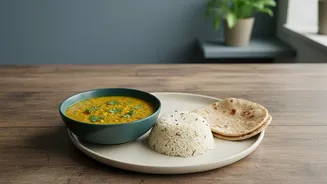
While all cooked food is susceptible, certain dishes spoil much faster in humid weather due to their high moisture and protein content. Items like cooked rice, lentils (dal), meat and seafood curries, and dairy-based products like paneer and curd are particularly high-risk. Cut fruits and raw salads also present a danger as their exposed surfaces are vulnerable to contamination. Even baked goods like bread can quickly develop mould, which can have invisible fungal threads spreading throughout the item, making it unsafe even if you cut off the visible spot.
Smart Storage Strategies to Stay Safe
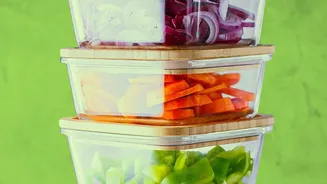
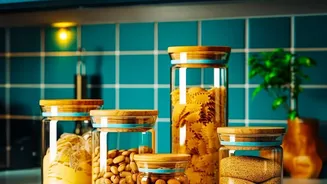
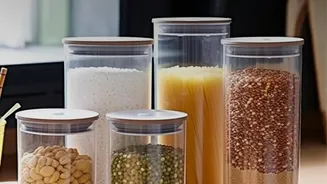
Proper storage is your best defence against food poisoning during the monsoon. Instead of leaving leftovers in the cooking pot, transfer them to shallow, airtight containers. This helps the food cool down faster and prevents airborne moisture and bacteria from contaminating it. Allow very hot food to cool slightly at room temperature before sealing and refrigerating to avoid trapping steam, which creates more moisture. However, do not leave it out for more than an hour. For dry goods like grains and flours, which can also attract pests and mould in damp weather, using airtight containers is crucial. Adding traditional, natural deterrents like dried neem or bay leaves to rice and flour containers can also help keep pests away.
Reheating and When to Throw Food Out
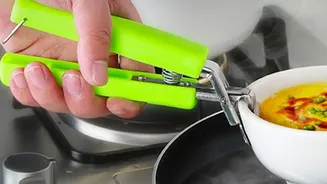
When you are ready to eat leftovers, be sure to reheat them thoroughly until they are steaming hot (to an internal temperature of at least 74°C or 165°F) to kill any bacteria that may have developed during storage. Avoid reheating the same batch of food multiple times; only heat the portion you plan to eat. Most importantly, trust your instincts but err on the side of caution. If food has been left out for an unknown period or shows any signs of spoilage—like an off-smell, slimy texture, or mould—it is not worth the risk. A common food safety mantra is: when in doubt, throw it out.