



From Rituals to Rich Itineraries
There’s a quiet revolution happening in India's travel scene. The humble local festival, once a purely community or religious affair, is now blossoming into a full-fledged tourism experience. Travellers, particularly younger millennials and Gen Z, are
increasingly seeking authenticity and cultural immersion over generic holidays. This has led to the rise of the festival-as-a-destination, where the event itself is the main draw for a multi-day trip. These are not just about observing rituals; they are about participating. State tourism boards and private organizers are curating events that layer traditional celebrations with elements designed for the modern traveller: folk music performances, artisan-led craft workshops, pop-up culinary experiences, and adventure activities. This shift transforms a one-day celebration into a week-long exploration of a region's entire cultural identity.
Hornbill Festival: A Taste of Nagaland
Often called the 'Festival of Festivals', the Hornbill Festival in Nagaland is a prime example of this trend. Held over ten days in December at the Kisama Heritage Village, it brings all of Nagaland's major tribes together in one place. For a traveller, this means you can experience the diverse cultures of the entire state without needing to traverse its remote terrain. The festival grounds are dotted with traditional tribal huts, or 'morungs', each representing a different community. Inside, you can interact with locals, witness unique rituals, and buy intricate handicrafts. But the real highlight for food lovers is the explosion of Naga cuisine. Each morung serves its own distinct dishes, from smoked pork and bamboo shoot curry to the famous rice beer, 'khie'. In the evenings, the traditional performances give way to contemporary music concerts, making it a perfect blend of old and new.
Rann Utsav: A Desert Canvas of Culture
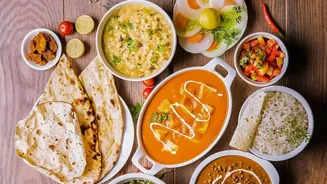
In the stark white salt desert of Gujarat, the Rann Utsav is a masterclass in creating a destination from scratch. Running from November to February, this festival transforms the barren landscape into a vibrant tent city. While the stunning view of the white Rann under the full moon is a major draw, the festival is a deep dive into Kutchi culture. Visitors can enjoy nightly folk music and dance performances like Garba and Dandiya, shop for exquisite local handicrafts such as Bandhani textiles and intricate mirror work, and take camel safaris across the desert. The food experience is a journey in itself, with dining halls serving authentic, pure vegetarian Gujarati and Kutchi cuisine. Dishes like Bajra Rotla with garlic chutney and sweet treats like moong dal halwa tell the story of the region's culinary heritage.
Pushkar Fair: More Than Just a Camel Market
The Pushkar Camel Fair in Rajasthan has been a world-renowned event for decades, but it has evolved far beyond its origins as a livestock trading hub. Today, it’s a sprawling cultural carnival that attracts travellers from around the globe. The traditional camel and horse trading still happens in the initial days, offering a fascinating, authentic spectacle. However, the fair now includes a host of experiences designed for tourists. You can take a hot air balloon ride at sunrise for a breathtaking view of the fairgrounds, watch vibrant folk performances, and listen to fusion music bands in the evening. The event is also famous for its quirky competitions, including turban-tying and the much-photographed longest moustache contest. This blend of ancient trade, spiritual pilgrimage to the holy lake, and modern tourism makes Pushkar a truly multi-layered experience.
Ziro Festival: An Eco-Conscious Vibe
In the lush Ziro Valley of Arunachal Pradesh, the Ziro Festival of Music has become a benchmark for eco-friendly cultural tourism. Started in 2012, this four-day indie music festival attracts a global audience to a stunning landscape of rice paddies and mountains. The festival is hosted by the local Apatani tribe, and its infrastructure, including the two main stages, is built from locally sourced bamboo. Beyond the diverse lineup of musicians, Ziro is an immersion into Apatani culture. The food stalls are a major attraction, serving local delicacies cooked in bamboo tubes, smoked meats, and the popular rice beer known as 'apong'. Attendees camp under the stars, participate in cultural workshops, and explore the nearby villages, making it an experience that is as much about the place and its people as it is about the music.