



The Death of the Visa Sticker
The single biggest catalyst for this travel revolution is the removal of the dreaded visa application. For decades, international travel meant paperwork, embassy appointments, and uncertainty. Today, countries like Thailand, Malaysia, and Indonesia have
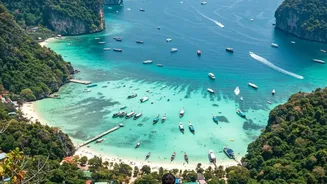
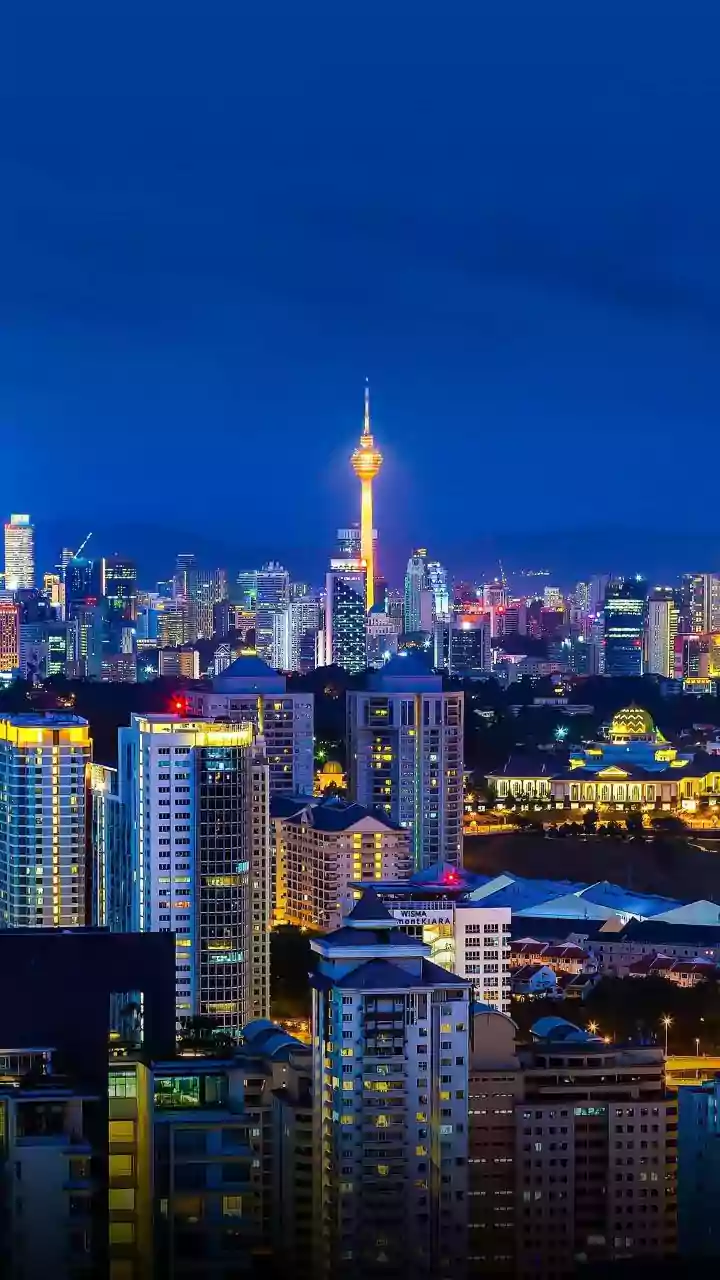
rolled out visa-free entry or simple visa-on-arrival for Indian passport holders. This move has been a game-changer, transforming the idea of a foreign trip from a meticulously planned, months-in-the-making event to an impulsive, 'book-it-on-Tuesday-fly-on-Friday' escape. The psychological barrier is gone. Instead of anxiety about rejection, there's the freedom to just go. Travel platforms have reported a significant surge in searches and bookings for these destinations immediately following visa-free announcements, confirming the direct impact of these policies.
The Surprising Math of Travel Costs
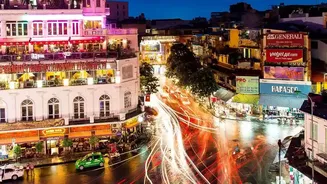
Common sense suggests a domestic trip should be cheaper. But the numbers tell a different story. A round-trip flight from Delhi to Kochi during peak season can often cost as much as, or even more than, a flight to Bangkok or Kuala Lumpur. When you factor in accommodation, the gap widens. A mid-range hotel in a popular Indian tourist spot like Goa can be significantly more expensive than a comparable, or even better, hotel in Hanoi or Phuket. For instance, a hotel that might cost ₹6,000 a night in Goa could have an equivalent in Vietnam for just ₹2,500. Add in the lower costs of food, activities, and local transport in many Southeast Asian countries, and the overall value proposition becomes hard to ignore. A 5-day budget trip to Thailand can be managed within ₹40,000, a figure that rivals many domestic holiday packages.
The Experience Economy and Instagram Bragging Rights
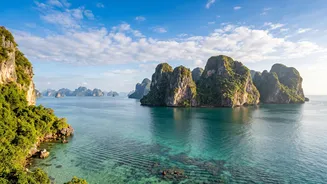
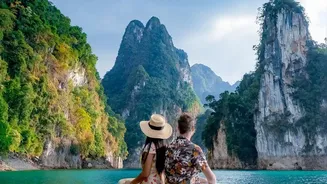
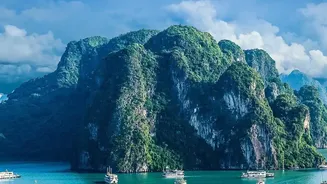
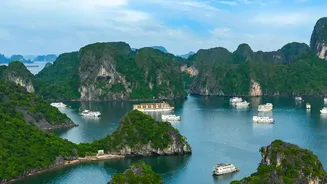
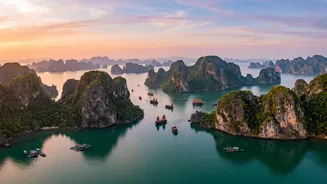
For the Gen Z and Millennial traveller, a vacation is not just about relaxation; it's about the experience and the story. Travel has become a reflection of one's identity and aspirations. A trip to Vietnam offers the novelty of a different culture, unique cuisine, and the thrill of international travel—all of which provide fresh content for social media feeds. Posting photos from a floating market in Thailand or the limestone cliffs of Ha Long Bay carries a different kind of social currency than another picture from a familiar Indian destination. This demographic, heavily influenced by pop culture and travel creators, is proactively seeking unique, 'once-in-a-lifetime' experiences. They are willing to spend on adventure and creating memories that stand out.
The Domestic Dilemma
While India offers incredible diversity, domestic travel comes with its own set of challenges that are pushing travellers to look outwards. Popular destinations can feel overcrowded, especially during holidays. Inconsistent infrastructure, concerns about cleanliness, and a lack of reliable safety standards for adventure sports are factors some travellers consider. Moreover, the phenomenon of 'surge pricing' for flights and hotels during peak seasons can make domestic travel feel exploitative. While a trip to Kerala's backwaters is a world-class experience, when a traveller compares the total cost and perceived value against a week in Sri Lanka or Malaysia, the international option often presents a more compelling package of novelty, efficiency, and affordability.