
The First Wave: The Reign of the Curve
Not long ago, the interior design world fell hard for curves. After a period defined by sharp, minimalist lines, the introduction of rounded sofas, arched cabinets, and circular tables felt like a breath of fresh air. This trend was a deliberate move
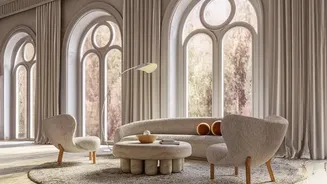
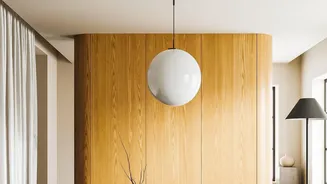
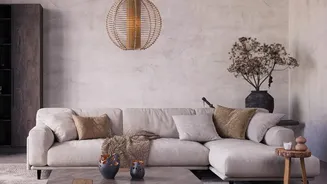
away from rigid, formal spaces toward environments that feel warmer, more welcoming, and more human. The initial embrace was all about making a statement. A large, serpentine sofa in a rich velvet or a substantial, kidney-shaped desk would act as the undeniable focal point of a room. These pieces were bold, sculptural, and designed to command attention, instantly softening a room's architectural lines and promoting a sense of ease and relaxation.
The Rebalance: From Statement to Integration
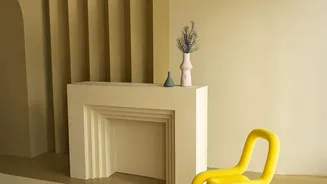
Now, the trend is maturing. The rebalance isn't about abandoning curves but integrating them more thoughtfully into our spaces. Instead of one dramatic piece dictating the room, the new approach is about creating a harmonious conversation between different shapes. Designers and homeowners are moving beyond the standalone 'blob' sofa to a more nuanced blend of hard and soft lines. This evolution reflects a desire for homes that are calm, balanced, and intuitive to live in. The focus has shifted from the novelty of the curve itself to how it can enhance the overall flow, feeling, and function of a room. It’s less about a single trend and more about a timeless design principle: balance.
Rethinking Scale and Visual Weight
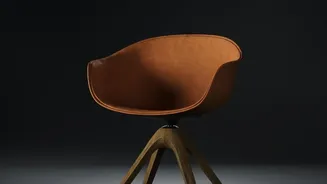
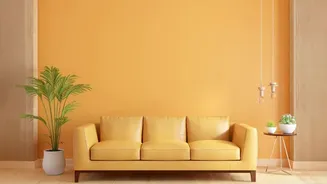
This rebalance forces us to think differently about scale. Scale isn't just about an object's physical size; it's also about its 'visual weight'—how much attention it commands. A dark, bulky, curved sofa has a heavy visual weight, anchoring a room. In contrast, a slim-legged armchair with a curved back feels much lighter. The first wave of the trend often involved pieces with significant visual weight. The rebalance encourages a more varied approach. A room feels harmonious when visual weight is distributed thoughtfully. You might balance a visually heavy curved sofa with lighter, straight-lined elements like a sleek console table or an open-frame bookshelf. The goal is to create a dynamic interplay that feels composed, not chaotic.
How Curves Change Proportions
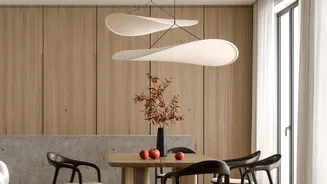
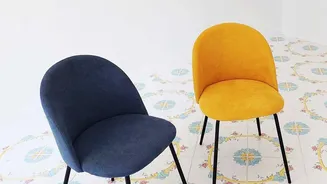
Curved furniture occupies space differently than its rectangular counterparts. A round dining table can often facilitate better conversation and fit into a space more easily than a square one. Similarly, a curved sofa can soften a sharp corner or create a natural walkway in an open-plan living area, improving the room's flow. However, their unique footprint requires careful measurement. A large curved sectional might seem perfect, but it can easily overwhelm a smaller room if its arc doesn't have enough clearance to be appreciated. In compact spaces, it's often better to introduce curves through smaller items like a round side table, an accent chair with a rounded back, or an arched mirror. These smaller pieces can provide the same softening effect without dominating the floor plan.
Mastering the Mix in Your Home
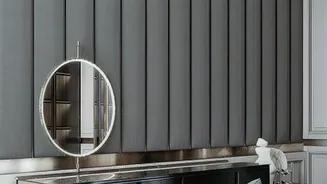
Achieving balance is about contrast, not conflict. The most inviting rooms often feature a mix of shapes. A popular guideline suggests a 70/30 split, with the majority of furnishings being linear to provide structure, and about 30% being curved to add softness and movement. Start by anchoring the room with a foundational straight-lined piece, like a rectangular rug or a simple sofa. Then, introduce curved elements. This could be a pair of rounded armchairs to soften a structured living room or a circular coffee table to create a conversational hub. The interplay between the straight and curved forms creates a visual tension that is interesting and pleasing to the eye. Echo the main curved element with smaller accents like lighting, mirrors, or decor to create a cohesive visual language throughout the space.