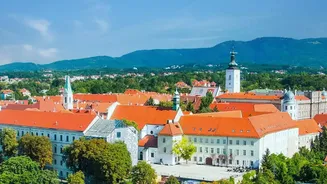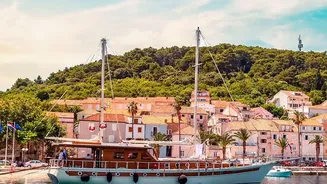



Croatia's glittering coast is no secret. But its immense popularity means its most famous spots are often packed and pricey. To find the country's real magic, sometimes you need to look just beyond the postcard-perfect, crowded destinations.
Instead of Dubrovnik, Try Šibenik
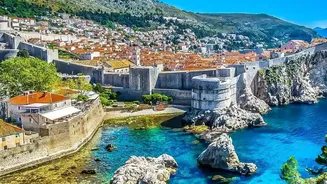
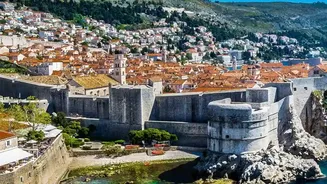
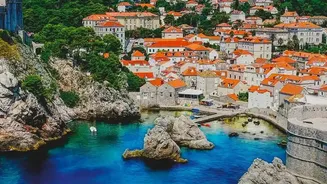
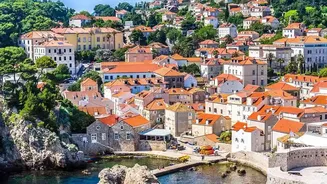
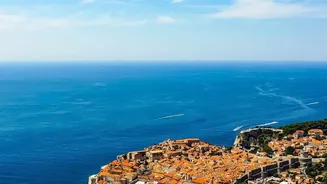
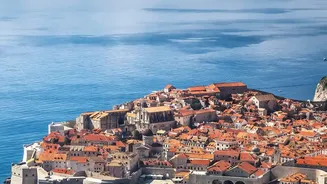
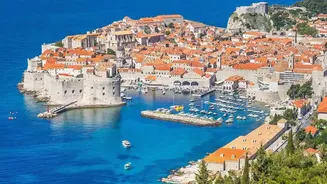
Dubrovnik
is stunning, but its fame, amplified by its role in 'Game of Thrones', has led to overwhelming crowds and premium prices. Walking the city walls shoulder-to-shoulder with thousands of other tourists can detract from the magic. For a similarly historic seaside experience with a more local feel, head north to Šibenik. Often overlooked, Šibenik is the oldest Croatian-founded town on the Adriatic and boasts not one, but two UNESCO World Heritage sites: the Cathedral of St. James and St. Nicholas' Fortress. Its medieval old town is a charming maze of stone alleys and staircases, leading down to a relaxed harbourfront. It offers the same Dalmatian charm as Dubrovnik but with a fraction of the crowds and a more authentic atmosphere, making it a perfect base for exploring the coast and nearby Krka National Park.
Swap Hvar Town for Vis Island
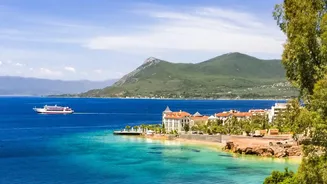
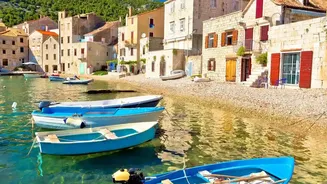
Hvar has earned its reputation as Croatia's premier party island, known for glamorous nightlife and upscale clubs that come with a hefty price tag. For travellers not seeking a 24/7 party scene, the island of Vis offers a more tranquil and authentic alternative. As a former Yugoslav military base, Vis was closed to foreign visitors until 1989, which preserved its quiet, undeveloped charm. The journey from Split is longer, which naturally filters the crowds. Instead of bustling beach clubs, you'll find secluded coves like Stiniva, once voted Europe's best beach, and a food scene focused on honest, local cuisine. Vis provides a glimpse into the Adriatic of the past, prioritising relaxation and natural beauty over a packed social calendar.
Ditch Plitvice Lakes for Krka National Park
Plitvice Lakes National Park is a natural wonder of cascading turquoise lakes that draws over a million visitors a year. Its popularity means you'll likely experience packed boardwalks and need to book timed-entry tickets far in advance during peak season. For a similar, more accessible waterfall experience, Krka National Park is an excellent alternative. Located closer to coastal cities like Split and Šibenik, Krka is a more practical day trip for many. The park features a series of stunning waterfalls along the Krka River. While swimming under the main waterfall, Skradinski Buk, has been prohibited since 2021 to preserve the ecosystem, the park's network of trails and boat excursions to places like Roški Slap waterfall and Visovac Monastery island still offer a breathtaking experience with generally more manageable crowds.
Trade Split's Palace for Zadar's Promenade
Split is a vibrant city built around the magnificent Diocletian's Palace, a UNESCO World Heritage site. As a major cruise port and transport hub, its ancient streets can feel congested. Just a couple of hours up the coast, Zadar offers a compelling mix of ancient history and modern innovation, with a more laid-back vibe. Zadar's Old Town is also filled with Roman ruins, medieval churches, and lively cafes, but it's most famous for its unique seaside attractions: the Sea Organ, which creates music from the waves, and the Greeting to the Sun, a solar-powered light installation. Alfred Hitchcock famously declared Zadar's sunset the most beautiful in the world, and watching it from the promenade is an unforgettable Croatian experience.
Leave Rovinj for Istria's Hilltop Towns
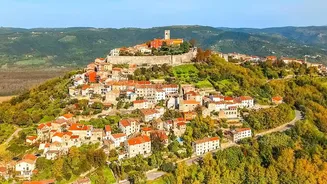
The colourful, Venetian-style port of Rovinj is the jewel of the Istrian peninsula, but its picturesque, narrow streets become extremely congested in summer. To escape the coastal crowds while still soaking in the region's charm, venture into inland Istria. Often compared to Tuscany, this area is a rolling landscape of vineyards, olive groves, and enchanting medieval hilltop towns. Explore Motovun, a walled town famous for its forest truffles, or Grožnjan, a haven for artists with galleries dotting its stone alleys. These towns offer stunning panoramic views, a slower pace of life, and a chance to experience Istria's rich culinary traditions without the tourist throngs.