






Start with Official Weather Alerts
Your first step before any monsoon trip is to become your own weather analyst. Don't just glance at a basic forecast; dig deeper. The India Meteorological Department (IMD) is your most crucial resource. Check the IMD website for detailed district-wise
warnings, which are often colour-coded (yellow, orange, red) to indicate severity. Look for alerts on "heavy to very heavy rainfall," thunderstorms, and strong winds. As of mid-August 2026, for example, the IMD has issued warnings for extremely heavy rainfall in parts of Madhya Pradesh, Uttar Pradesh, Jharkhand, Odisha, and Chhattisgarh. Such warnings, especially orange or red alerts, are a serious signal to reconsider travel to those regions, as they indicate a high likelihood of disruption and danger.
Investigate Your Destination's Vulnerability
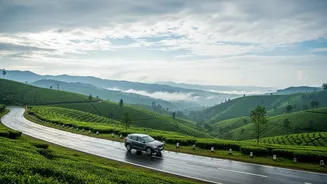
Not all destinations are created equal in the monsoon. A city with robust drainage is different from a remote hill station. Research your specific location's susceptibility to monsoon hazards. Hill stations like those in Uttarakhand, Himachal Pradesh, and parts of the Western Ghats (including Lonavala, Munnar, and Coorg) are beautiful but prone to landslides. Before booking, search for recent news about your destination. Have there been reports of landslides, roadblocks, or flooding in the area? Avoid choosing accommodation on steep slopes, near riverbanks, or in low-lying areas that could be cut off during heavy rain. If official warnings mention landslide risks for the specific routes to your destination, it's a major red flag.
Assess the Journey, Not Just the Place
Getting there is often the most hazardous part of a monsoon trip. Even if your resort is safe, the roads leading to it might not be. Check the real-time status of highways and local roads. Use map services with traffic data, but also look for updates from local police and state disaster management authorities, who often post information on social media. Avoid driving on mountain roads after dark, as visibility is poor and it's harder to spot fallen debris or waterlogged patches. A common mistake is packing an itinerary too tightly, leaving no room for delays. If your trip depends on a single access road, ferry, or flight, the risk of getting stranded is significantly higher. Always have a backup plan and be prepared to turn back or wait it out if conditions worsen.
Pack a Practical Safety Kit
If you decide the risks are manageable, smart packing is non-negotiable. Your kit should go beyond raincoats and umbrellas. Pack a well-stocked first-aid kit with basic medicines for cold, fever, and stomach issues, as well as insect repellent to guard against mosquito-borne illnesses. Waterproof bags or zip-lock pouches are essential to protect your phone, documents, and electronics. Power outages are common, so a fully charged power bank and a flashlight are must-haves. Keep some dry, ready-to-eat snacks and bottled water in your car in case of long delays. Finally, ensure your vehicle is serviced, with good tyres, working wipers, and adequate fuel before you start.
Know When to Say No
The most important part of your judgment call is knowing when to cancel. It is better to lose a booking deposit than to risk your safety. Postpone your trip if: authorities issue a red alert for your destination or route; there are active landslide or flood warnings for the area; the main access roads are reported as blocked or dangerous; or your hotel confirms that local conditions are deteriorating. Being flexible is key; treating heavy rain as a minor inconvenience rather than a serious safety variable is a frequent and dangerous mistake. The mountains and waterfalls will still be there for another weekend. A practical and safe decision is always the best one.