

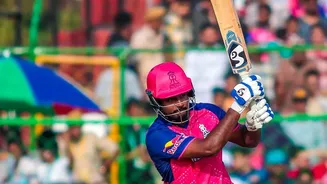
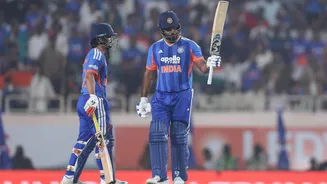
The Ghost of 2016
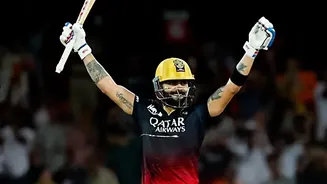
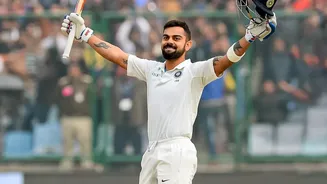
It’s impossible to forget 2016. It was a year where Virat Kohli wasn't just playing cricket; he was bending it to his will. Across all international formats, he amassed over 2,500 runs at a staggering average of 86.50. This included seven centuries and
13 half-centuries. The T20 format, once thought to be a game of pure power, became his canvas. He was crowned 'Man of the Tournament' in the World T20 and then went on an unprecedented rampage in the Indian Premier League, scoring 973 runs with four centuries. It was a statistical peak so high that it seemed impossible to scale again. Every time he walked to the crease, a century felt inevitable. It wasn't just dominance; it was a virtuoso performance that lasted 12 months, setting a benchmark that even Kohli himself would struggle to surpass.
The Arrival of Kohli 2.0
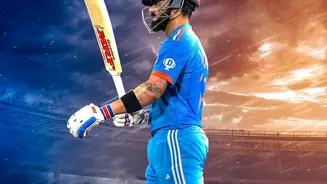
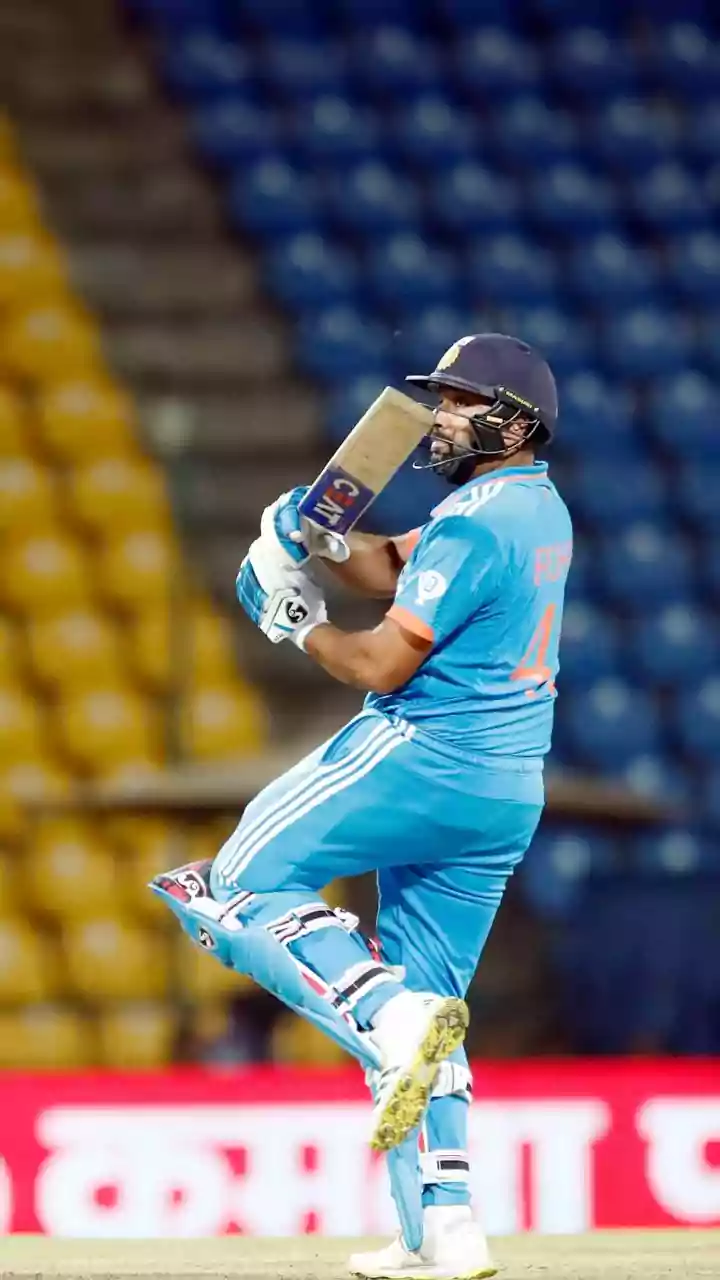
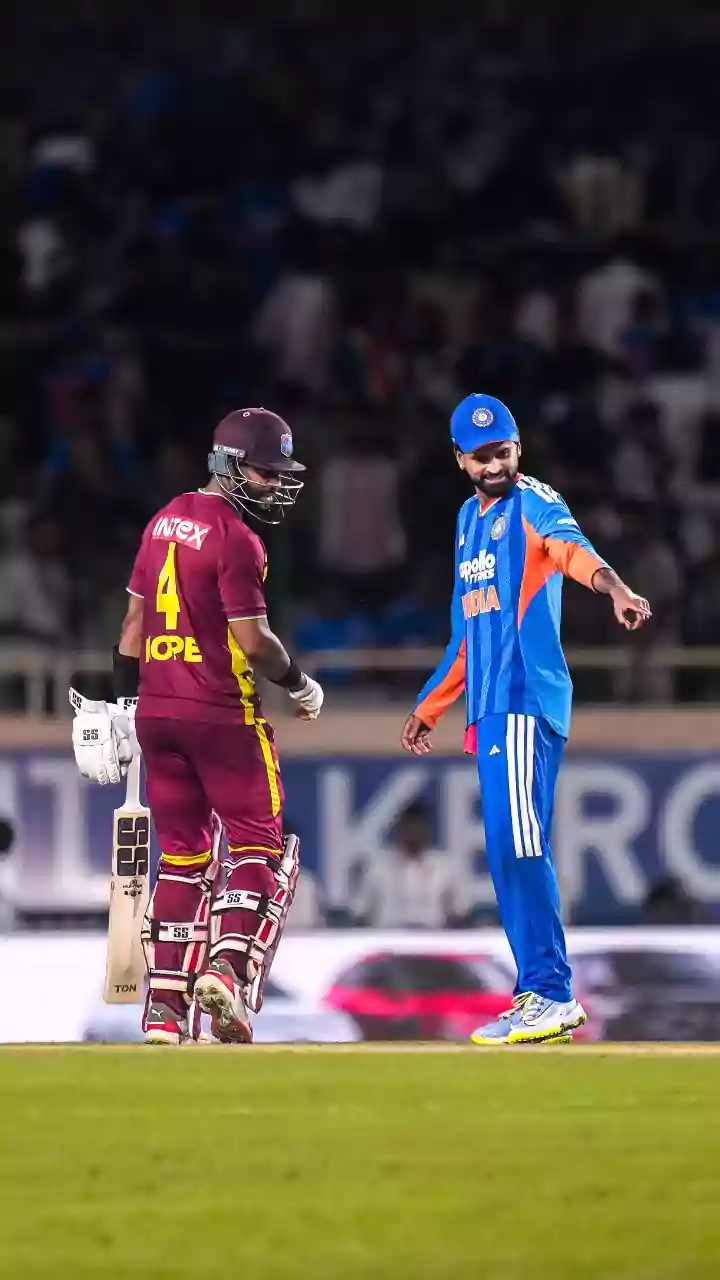
Fast forward to October 2026. The Kohli we see today, at 37 years old, is a different beast. The raw, almost manic aggression has been tempered by a deep-seated wisdom. The hunger remains, a fact noted by former players like Monty Panesar, who praise his enduring intensity and fitness. But his role has changed. He's no longer just the primary accumulator of runs; he is the fulcrum around which the modern Indian batting line-up pivots. Having recently crossed the 15,000-run mark in ODIs, he now plays with a palpable sense of freedom and strategic clarity. His recent form, including a blistering 139* against the West Indies where he smashed nine sixes, shows a player who has added new gears to his game, focusing on impact over sheer volume. This evolution has been conscious, with Kohli himself stating his desire to 'up the ante' and play a gear or two higher even at this stage of his career.
By the Numbers: Then vs. Now
Comparing the two eras statistically reveals the nature of this change. The 2016 Kohli was a master of consistency, averaging nearly 90 across all formats. The 2026 version is perhaps more explosive. In ODIs, his strike rate has seen a significant jump. Since the start of a recent stellar run, he has scored over 850 runs in 12 innings at a strike rate of 117.63, a noticeable increase from his peak years. This shift reflects a change in T20 batting philosophy as a whole, but also a personal adaptation. While the monumental averages of 2016 may be a thing of the past, the current Kohli is more aggressive, more willing to take risks, and more focused on shaping the game in short, brutal bursts of brilliance. The four centuries in a single IPL season in 2016 may never be repeated, but the impact of a 88-ball 139 in 2026 speaks its own powerful language.
Beyond the Scorecard: Wisdom and Impact
The true difference lies in the intangibles. The Kohli of 2016 was a captain leading a team on the rise, often shouldering the burden himself. The Kohli of 2026 is an elder statesman. Having stepped away from captaincy and retired from T20 internationals after a match-winning 76 in the 2024 World T20 final, his focus has sharpened. He has embraced a mentorship role, with young openers like Abhishek Sharma citing him as an all-encompassing inspiration. This version seems more at peace with his legacy, allowing him to play with a freedom that even his peak-form self might have envied. His technique has also subtly evolved, moving towards a more classic, straight-batted approach to counter the challenges of age and to better judge his off-stump, a change noted by technical analysts.