





A New Space Age for India Inc.
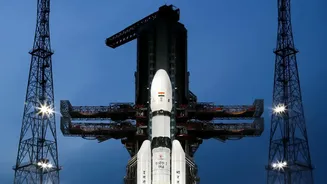
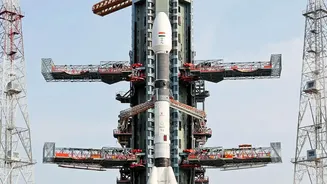
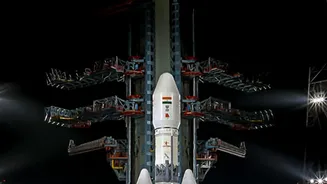
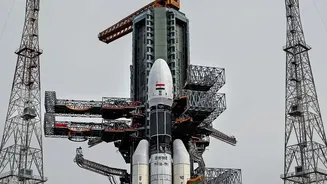
The Indian space story is no longer solely written by the Indian Space Research Organisation (ISRO). Following landmark policy reforms, including the Indian Space Policy 2023, the government has rolled out the welcome mat for private companies. This strategic
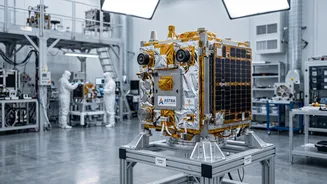
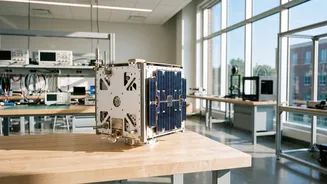
shift has led to the rise of IN-SPACe (Indian National Space Promotion and Authorisation Centre), an agency designed to empower private players in the space ecosystem. The result is a burgeoning industry, with India's space economy projected to grow from around $8.4 billion today to nearly $44 billion by 2033. This growth is being driven by hundreds of new startups like Skyroot Aerospace, Agnikul Cosmos, and Pixxel, which are now building everything from rockets to satellite constellations. This privatisation isn't about replacing ISRO, but partnering with it, creating a dynamic public-private ecosystem that is generating high-skilled employment.
Beyond the Rocket Scientist
When you think of a space career, you might picture an aerospace engineer or an astrophysicist. While those roles remain vital, the commercial space boom is creating demand for a much wider array of technical experts. One of the fastest-growing fields is software development. Aerospace software engineers are needed to write the code for flight systems, mission planning, and autonomous navigation. With satellites generating petabytes of information, data scientists and AI/ML specialists are becoming as crucial as propulsion experts. Companies like SatSure and Pixxel hire analysts to interpret satellite imagery for agriculture, climate monitoring, and urban planning. Other emerging technical roles include space robotics engineers, mission operations specialists who manage satellites from the ground, and materials scientists developing alloys for extreme space environments.
The Ground-Support Economy
A thriving space industry needs more than just technical wizards; it needs a robust support economy. The commercialisation of space is creating opportunities for professionals from diverse non-engineering backgrounds. As space becomes a commercial domain, the need for legal experts specialising in space law and policy is growing to navigate regulations and international treaties. These startups, like any other business, need professionals in finance to manage investments, business development managers to secure launch contracts, and marketing specialists to build their brand. Even creative professionals have a role to play. Space companies are hiring visual designers, photographers, and technical writers to communicate their complex work to the public and to investors. A look at the hiring pages of companies like Dhruva Space reveals openings for bid managers and visual designers alongside traditional engineering roles.
The Skills for Tomorrow's Frontier
For students and young professionals aspiring to join this new space race, the required skillset has expanded significantly. While a strong foundation in engineering, physics, and mathematics remains key, it's no longer the only path. Proficiency in programming languages like Python, C++, and MATLAB is now highly sought after across many roles. Experience with data analysis, machine learning, and GIS (Geographic Information System) software can open doors to the lucrative satellite data analytics sector. Beyond technical skills, private companies value systems thinking—the ability to understand how complex subsystems interact—and strong problem-solving abilities. Practical experience through internships at ISRO or the growing number of private startups is becoming a critical differentiator for job applicants.