


A Shift from Fresh to Forever
For generations, flowers in Indian homes meant one thing: fresh, fragrant, and often fleeting. Marigolds for festivals, roses for devotion, and jasmine for adornment have a deep cultural significance. But a quiet revolution is underway. The latest trend
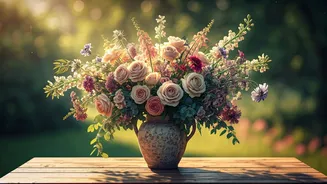
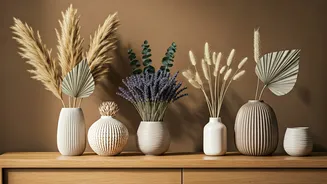
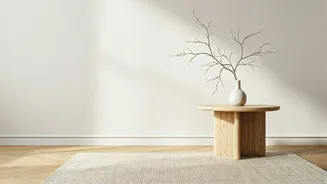
captivating urban India isn't about vibrant, perishable petals. Instead, it’s the muted, sculptural elegance of dried and preserved flowers. From fluffy pampas grass and delicate bunny tails to preserved eucalyptus and starflowers, these 'forever florals' are showing up in minimalist vases, elaborate wall installations, and wedding bouquets. Unlike their fresh counterparts, which wilt within days, these botanicals offer a sense of permanence, transforming from a temporary delight into a lasting piece of home decor.
The Instagram Aesthetic
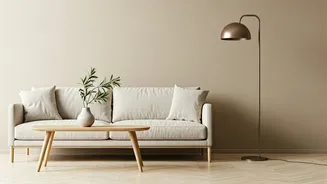
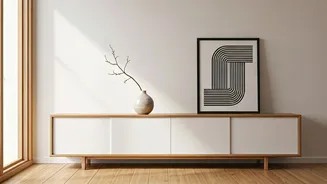
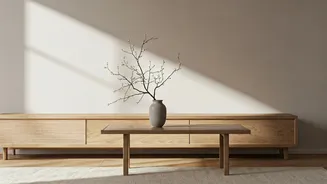
Much of this trend's momentum can be traced back to our screens. The global rise of the 'cottagecore' and minimalist Scandinavian aesthetics found a perfect partner in dried flowers. Their neutral, earthy tones and soft textures photograph beautifully, making them a staple for influencers and design enthusiasts on platforms like Instagram and Pinterest. This visual appeal created a powerful feedback loop. As more people shared images of their homes styled with these florals, demand surged. Local florists and new online-only floral studios quickly responded, curating and offering dried arrangements that catered specifically to this picture-perfect, social media-driven demand. It became less about the scent of a flower and more about the mood and aesthetic it could create in a photograph and, by extension, in one's home.
Sustainability and Slow Living
Beyond the aesthetics, the move towards dried florals aligns with a growing consciousness around sustainability. Fresh flowers, for all their beauty, come with a significant environmental footprint, involving transportation, refrigeration, and waste. A bouquet that lasts a week is, for many, a beautiful but unsustainable luxury. Dried and preserved botanicals offer an eco-friendlier alternative. They last for years with minimal care, reducing waste and the need for constant replacement. This longevity resonates with the principles of 'slow living'—a philosophy that encourages more mindful and intentional consumption. In a world of fast-paced trends, owning a floral arrangement that endures feels like a small but meaningful act of sustainability, a piece of nature brought indoors to stay.
The Pandemic’s Lasting Impact
The COVID-19 pandemic acted as a powerful accelerant for this trend. Confined to our homes, many of us began to see our living spaces in a new light. The desire to create a comfortable, calming, and beautiful sanctuary—a concept known as biophilic design, which incorporates natural elements into interiors—became a priority. Dried flowers were the perfect solution. They provided a low-maintenance way to bring nature indoors without the hassle of watering or the disappointment of wilting. The lockdown also spurred a wave of creative entrepreneurship, with many individuals starting small, home-based businesses creating and selling bespoke dried floral arrangements, further increasing their visibility and accessibility across the country.
More Than Just Pampas
While fluffy pampas grass may be the poster child of this movement, the world of dried florals is incredibly diverse. Florists are now working with a wide palette of textures and shapes, including silvery eucalyptus, delicate gypsophila (baby's breath), spiky eryngium (sea holly), and vibrant, preserved roses that retain their soft petals. These elements are being used to create everything from simple, single-stem displays to complex, artistic installations for homes, cafes, and events. The trend has also revitalised an appreciation for local and native grasses and seed pods, encouraging a more nuanced and regionally specific approach to floral design. It's a testament to the creativity that can blossom when a new idea takes hold, transforming a simple decorative item into a form of personal expression.