






The 'Too Small to Fail' Mindset
The biggest hurdle to exercise is often mental. The thought of a 60-minute gym session can feel daunting, leading to procrastination. A 10-minute routine, however, is psychologically 'too small to fail'. This approach bypasses the brain's resistance to big changes.
The effort required is so minimal that common excuses like 'I'm too tired' or 'I don't have time' lose their power. By making the initial step incredibly easy, you reduce the friction that prevents you from starting in the first place, making it more likely you'll show up day after day.
Building Identity Through Daily Wins
Habits form through repetition, not duration. Each time you complete your 10-minute workout, you cast a vote for a new identity: 'I am someone who exercises'. This creates a positive feedback loop. The feeling of accomplishment from a small, daily win releases dopamine, reinforcing the behavior and making you more likely to repeat it. Over time, these consistent actions build momentum and self-confidence, transforming exercise from a chore you have to do into a part of who you are.
The Science of Short, Effective Workouts
Don't underestimate the power of ten minutes. A growing body of research shows that short, accumulated bouts of exercise offer significant health benefits. Concepts like High-Intensity Interval Training (HIIT) and 'exercise snacking' — brief bursts of activity spread throughout the day — have been proven effective. Studies show that even a few minutes of vigorous movement can improve cardiovascular fitness, help regulate blood sugar, and boost your mood. The key is intensity; a short, focused effort can trigger the same, if not better, physiological adaptations as longer, less intense sessions.
Why Consistency Trumps Duration
Consistency is the most critical factor for long-term results. It's better to do a 10-minute workout every day than a heroic 70-minute session once a week that you frequently skip. Daily movement allows your body to adapt steadily, reducing the risk of injury and burnout that often comes with sporadic, high-intensity workouts. The cumulative effect of 70 minutes of exercise spread across a week is powerful. This regular stimulus tells your body to keep adapting and improving, leading to more sustainable progress over time.
Designing Your Perfect 10 Minutes
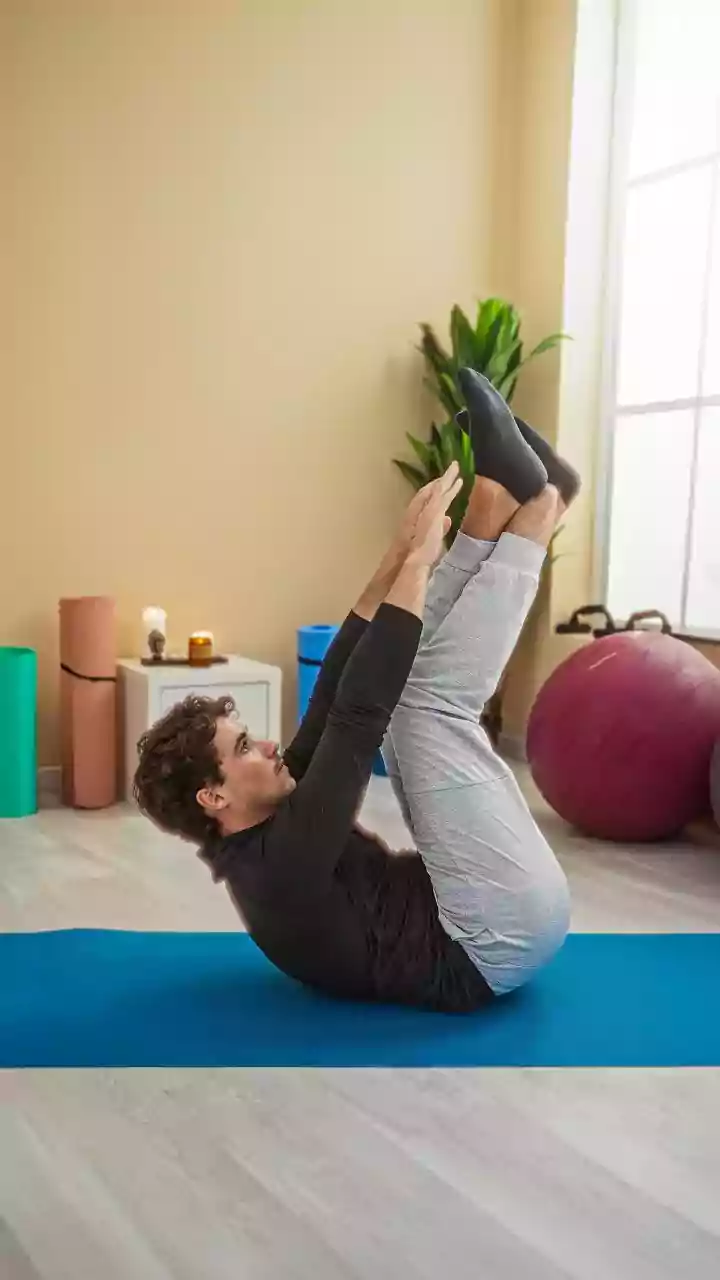
Getting started is simple. You don't need fancy equipment or a gym membership. A 10-minute workout can be a brisk walk after lunch, a bodyweight circuit in your living room, or even dancing to a few of your favourite songs. A simple structure could be a 2-minute warm-up (like jogging in place), 6 minutes of focused exercise (alternating between moves like squats, push-ups, and jumping jacks), and a 2-minute cool-down with stretching. The best workout is the one you enjoy and will do consistently.