



The Great EV Affordability Problem
The electric vehicle revolution is here, but not everyone has a ticket to ride. The biggest hurdle for mass adoption in India remains the upfront cost. At the heart of this issue is the battery pack, which can account for a massive portion of an EV’s
total price. For years, the industry has relied on lithium-ion batteries. While powerful, they depend on materials like lithium, cobalt, and nickel. These metals are not only expensive but also come with complex, geopolitically sensitive supply chains largely controlled by a few countries. This reliance creates price volatility and a strategic vulnerability for nations like India, which imports most of its lithium. To truly put an electric car in every garage, we need a different approach—a battery that is not just efficient, but fundamentally cheaper and more sustainable to produce.
Enter Sodium-Ion: The 'Salt' Solution
The promising alternative is the sodium-ion battery, often called a 'salt-based' battery. The basic principle is similar to its lithium-ion cousin: it stores and releases energy by moving ions between a positive and negative electrode. The game-changing difference is the primary element used. Instead of lithium, it uses sodium, the same element found in common table salt. Sodium is one of the most abundant and widely distributed elements on Earth, found in rock salts and seawater. This incredible abundance is its superpower. Unlike the geographically concentrated and limited reserves of lithium, sodium is available practically everywhere, including India. This drastically reduces material costs and frees the supply chain from geopolitical tensions, aligning perfectly with India’s Atmanirbhar Bharat (self-reliant India) mission.
The Cost Advantage Explained
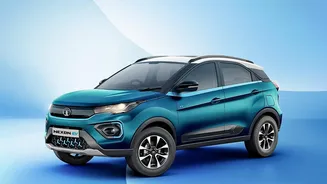
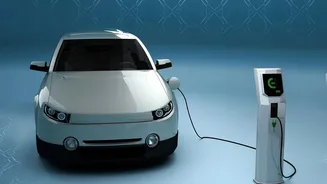
The main appeal of sodium-ion batteries is their potential to be significantly cheaper. When produced at scale, they could be 20-30% more economical than their lithium-ion counterparts. This is not just because sodium itself is cheaper, but also because it allows for the use of other low-cost materials like aluminum for internal components instead of more expensive copper. Some estimates suggest sodium-ion batteries could be about 25% cheaper than the lithium batteries currently used for energy storage. This cost reduction has a direct impact on the final price of an EV. For the entry-level segment—think city commuter cars, two-wheelers, and delivery vans—this could be the difference between a vehicle being a premium lifestyle choice and an accessible daily driver for millions.
Performance, Safety, and Trade-Offs
Of course, there are trade-offs. The primary limitation of current sodium-ion technology is lower energy density. In simple terms, a sodium-ion battery of the same size and weight stores less energy than a high-end lithium-ion one. This means a shorter driving range. So, while you may not see them in long-range luxury EVs just yet, they are perfectly suited for smaller city cars or commercial vehicles with predictable routes and daily charging access. On the plus side, sodium-ion batteries offer significant safety advantages. They are less prone to overheating and thermal runaway (the chemical reaction that can cause battery fires) and can operate well in a wider range of temperatures, a key consideration for India's diverse climate. They can also be fully discharged to zero volts for safer transportation and storage, a feat that can damage lithium-ion cells.
The Road to Mass Adoption in India
The move toward sodium-ion is not just a theoretical concept in India; it's happening now. Researchers at institutions like JNCASR in Bengaluru have developed fast-charging sodium-ion prototypes that show immense promise. Just this month, state-owned power giant NTPC invited proposals for pilot projects to test sodium-ion battery storage systems under real-world Indian grid and climate conditions, a crucial step toward commercialisation. According to the Renewable Energy Secretary, Indian researchers have advanced the technology to a high level of maturity (TRL 7), which means a move from pilot projects to commercial production could happen within the next two to three years. This push from both the public and private sectors signals a clear strategic shift towards building a domestic battery ecosystem that is both resilient and economically viable.