





The Perfect Storm: Pollution, Screens, and Seclusion
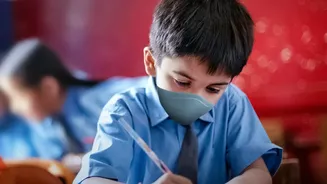
For parents in Delhi-NCR, it's a recurring dilemma. When the air quality index (AQI) surges into the 'Severe' category, the priority is to protect children's lungs. This year is no different, with authorities directing younger classes toward a hybrid
or fully online model. While this keeps them from inhaling toxic air, it inadvertently creates a perfect storm for mental distress. The combination of forced indoor time, the absence of real-world peer interaction, and the intense focus of online learning can significantly strain a child's emotional regulation. Experts note that this abrupt shift from structured school life to isolated home learning disrupts routines, limits physical activity, and increases dependency on digital devices, all of which are known contributors to childhood anxiety.
How to Recognise Anxiety in Your Child
Childhood anxiety doesn't always look like the adult version. It can manifest in subtle or disruptive ways that are easy to misinterpret as simple 'bad behaviour'. Parents should watch for changes like increased irritability, sudden emotional outbursts, or crying spells. Other signs might include difficulty concentrating, changes in sleep patterns (like trouble falling asleep or sleeping too much), and physical complaints such as frequent stomachaches or headaches with no clear medical cause. Some children may become more withdrawn and socially isolated, while others might display clinginess or regress to earlier behaviours. Acknowledging these signs as potential signals of anxiety is the first step toward providing support.
Creating a Haven of Calm at Home
When the world outside feels chaotic, a child's home should be their sanctuary. Establishing a predictable daily routine is one of the most effective ways to reduce anxiety, as it gives children a sense of control and stability. This schedule should clearly demarcate time for online classes, meals, play, and rest. Designate specific areas in the home as 'tech-free zones', especially the dinner table and bedrooms, to encourage family connection and better sleep. It's also crucial to validate your child's feelings. Instead of dismissing their fears or frustrations, listen without judgment. Simple phrases like, 'I can see this is frustrating for you,' can make a huge difference in helping them feel understood and supported.
Beyond the Screen: Reclaiming Play
With online classes dominating the day, actively scheduling offline activities is non-negotiable. Physical exercise is a powerful antidote to stress and anxiety, helping to relax the body and mind. Even if it's just a 30-minute dance session in the living room or some structured indoor games, getting the body moving is essential. Encourage creative pursuits like drawing, painting, building with blocks, or reading a physical book. To combat loneliness, try to arrange for safe, supervised interactions with friends if conditions and guidelines permit. If not, old-fashioned phone calls or scheduled video chats that are purely social, not academic, can help maintain those crucial peer connections.
The Fine Balance of Being a Parent
Parents are under immense pressure, too, and it's important to model healthy coping mechanisms. Children are perceptive and can pick up on your own stress. Try to manage your own anxieties about the situation in a constructive way. While it's vital to set limits on screen time, the focus should be on balance rather than an outright ban, especially when screens are necessary for education. Lead by example with your own device usage. When your child sees you putting your phone away to engage in a conversation or a board game, they learn the value of being present. Remember, the goal isn't to eliminate anxiety entirely—an impossible task—but to equip your child with the tools and support to manage it effectively.