

Choose Your Travel Window Wisely
Timing is critical for a safe Kinnaur journey. The two best windows are spring (April to June) and autumn (mid-September to October). Spring offers pleasant weather and blooming orchards. Autumn, particularly late September and October, is often considered
the 'golden season' with post-monsoon clear skies, stable roads, and beautiful fall colours. The monsoon season (July to August) should be avoided due to a high risk of landslides and road blockages. Winter travel (December to February) is possible in lower Kinnaur, but expect extreme cold, snow, and potential road closures in higher areas like Chitkul and Nako.
Vehicle Preparation is Non-Negotiable
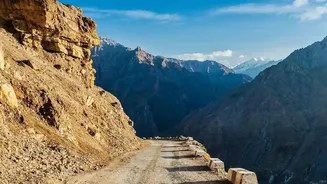
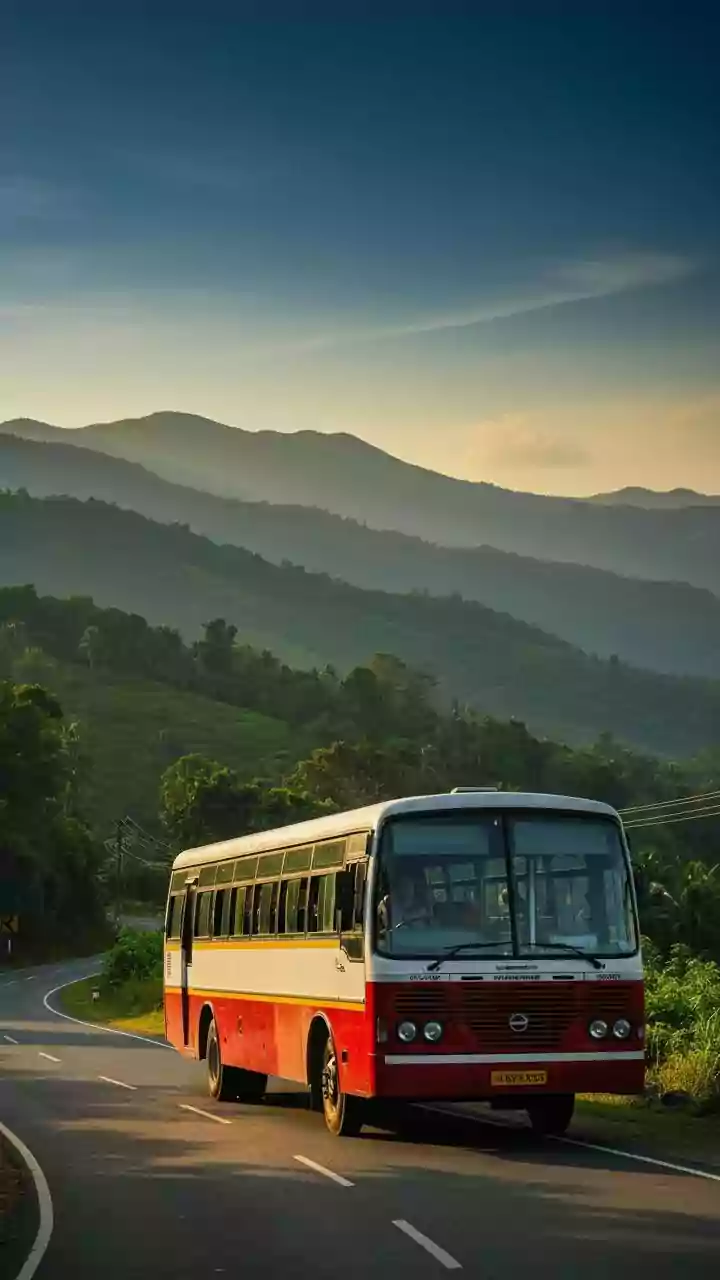
The roads in Kinnaur, primarily National Highway 5 (the old Hindustan-Tibet Road), are a mix of smooth tarmac and treacherous, cliff-hanging sections carved into rock. A vehicle with high ground clearance, like an SUV, is highly recommended, especially for the link roads to Sangla, Chitkul, and Kalpa. While sedans and hatchbacks can manage in dry conditions with careful driving, they are more susceptible to damage. Before you start, ensure your vehicle has had a thorough service, paying special attention to brakes, tyres, and suspension. Carry a complete toolkit and know how to change a tyre. Fuel stations are sparse; always refuel at major towns like Rampur and Reckong Peo. The station at Tapri is the last reliable one before Kaza, nearly 200 km away.
Navigating Permits and Paperwork
For Indian citizens, the good news is that no Inner Line Permit (ILP) is required for the standard tourist circuit through Kinnaur, including Kalpa, Sangla, and Chitkul. You must, however, carry a valid government-issued photo ID like an Aadhaar card or driver's license for registration at checkpoints like Jangi and Sumdo. For foreign nationals, a Protected Area Permit (PAP) is mandatory to travel beyond Jangi towards areas like Nako and Tabo. This permit can be obtained from the District Magistrate's offices in Shimla or Reckong Peo. Note that lower Kinnaur destinations like Kalpa and Sangla do not require a PAP for foreigners.
Respect the Altitude, Plan a Gradual Ascent
Acute Mountain Sickness (AMS) is a serious risk when traveling to high-altitude areas like Nako (3,663m) and Chitkul (3,450m). The primary cause is ascending too quickly, not allowing your body to acclimatise to the lower oxygen levels. The best prevention is a gradual itinerary. The route from Shimla allows for a progressive climb. Plan for overnight stops at increasing altitudes, such as Narkanda or Sarahan, before proceeding to Kalpa or Sangla. Avoid ascending more than 500 metres in sleeping altitude per day once you are above 3,000 metres. Stay hydrated by drinking plenty of water, eat light meals, and avoid alcohol for the first 48 hours at a new altitude.
On-the-Road Safety and Driving Rules
Driving in Kinnaur is an exercise in constant vigilance. Be aware of specific high-risk zones like the Nigulsari slide and the narrow half-tunnels at Taranda Dhank. 'Shooting stones'—small rocks falling at high speed—are a common hazard, even on clear days. Never stop in these marked zones. A critical mountain driving rule is that the vehicle going uphill always has the right of way. Avoid driving after dark; black ice can form on shaded patches of road, especially from October onwards, making braking extremely dangerous. Always check the local road status with the District Kinnaur administration or police before you start your day, as conditions can change rapidly.
Pack for Four Seasons in a Day
The weather in the mountains is unpredictable. Layering is key. Your packing list should include light clothes for sunny afternoons, thermals, a fleece or mid-layer, and a windproof, insulated jacket for cold evenings and high-altitude areas. Sturdy, comfortable footwear with good grip is essential. Also pack a sun hat, high-SPF sunscreen, sunglasses, a first-aid kit with basic medications for pain, digestion, and any personal prescriptions, and a power bank, as electricity can be erratic.