






Look up from the city bustle, and you'll see them: crows building clumsy nests, sparrows flitting into crevices, and mynas chattering on wires. But the ancient, seasonal rhythms that guide these birds are changing right before our eyes.
The Traditional Avian Calendar
For millennia,
birds have timed their most crucial life event—reproduction—to the seasons. The breeding season for most birds in India is traditionally linked to spring and the monsoon. Lengthening days, warmer temperatures, and the onset of rains are nature’s signals, promising an abundance of insects, fruits, and seeds necessary to raise healthy chicks. Species like the Baya Weaver begin their intricate nest-building ahead of the monsoon, while the call of the Pied Cuckoo is famously known as a herald of the rains it follows, relying on the subsequent boom in insects. This delicate synchronisation ensures that by the time the young hatch, their food is plentiful and the climate is favourable.
When Seasons Go Off-Script
Today, that predictable calendar is being rewritten. Climate change is a primary disruptor, causing confusing signals for urban birds. Warmer winters can trick some species into nesting earlier than usual, while erratic or delayed monsoons can postpone the breeding of others, like the Sarus Crane. This creates a dangerous mismatch. If birds nest too early, a sudden cold snap could doom their eggs. If they nest too late, the peak availability of food might have already passed by the time their hungry chicks hatch. Studies across India show that these shifts are not isolated incidents but a growing trend, forcing birds to gamble on unpredictable weather.
Urban Pressures and Adaptable Nesters
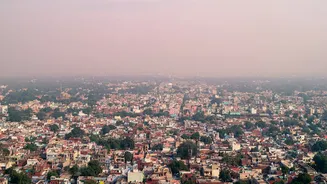
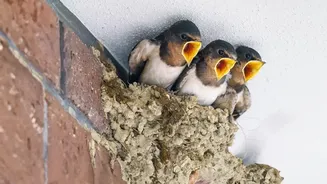
It's not just the climate; the city itself is a powerful force. Urbanisation replaces natural habitats with concrete, noise, and artificial light. While this pushes out specialist species, it creates new opportunities for adaptable generalists. House Crows, Rock Pigeons, and Common Mynas thrive in human-dominated landscapes. They have learned to swap tree hollows for building ledges, AC units, and any available crevice. Some birds, like the Tailorbird, still meticulously 'sew' leaves together, but may do so in a potted plant on a balcony. This flexibility allows them to succeed, but their nesting cycles can also be influenced by artificial factors, like the constant availability of food from garbage dumps, which can sometimes decouple their breeding from purely natural, seasonal cues.
Heat, Light, and the Urban Bird
The 'urban heat island' effect—where cities are significantly warmer than surrounding rural areas—further complicates nesting. The retained heat from concrete and asphalt can make nesting during peak summer dangerously hot, forcing birds to seek shade and alter their foraging times to cooler parts of the day. Artificial light at night can also disrupt their internal clocks, potentially affecting the timing of hormone release that governs breeding behaviour. Species that have adapted, such as parakeets nesting in wall cavities or bulbuls in garden shrubs, show remarkable resilience, but they are constantly navigating a world their instincts were not evolved for.
Your Role as a City Naturalist
The fascinating and sometimes troubling changes in urban bird behaviour highlight a critical information gap. This is where citizen science comes in. Initiatives like Bird Count India and programs by the Bombay Natural History Society empower everyday people to become observers. By logging sightings of common birds and their nesting activities through platforms like eBird, you contribute to a massive dataset. This information helps scientists track population trends, understand how birds are adapting to urban life and climate change, and identify species in decline. Simply paying attention to the birds on your street can provide valuable clues about the health of your local environment.