



The Journey of a Fruit
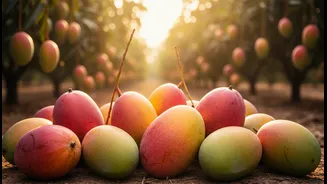
Imagine two mangoes. One is plucked from a tree in a nearby village, sold at a local market, and lands on your plate within a day or two. Its journey is short, its story simple. The other mango might begin its life hundreds or even thousands of kilometres
away. Picked while still underripe, it is packed, refrigerated, and loaded onto a truck or ship. This journey, which can take weeks, is what experts call 'food miles' – the distance food travels from where it is grown to where it is eaten. In a globalised world, it is common for produce to travel vast distances. While this gives us access to a variety of foods year-round, it comes with hidden costs that are not reflected in the price tag.
The Carbon Cost of Your Cravings
The most significant cost of long food miles is environmental. Transporting food, especially produce that requires constant refrigeration in what is known as the 'cold chain', is an energy-intensive process that relies heavily on fossil fuels. This generates substantial greenhouse gas emissions, contributing to climate change. Some estimates suggest that food transportation is responsible for a significant portion of the food system's total carbon emissions. When we choose a mango that has travelled from a distant state over one from a local orchard, we are inadvertently contributing to this carbon footprint. Reducing food miles by buying local is a direct way to lessen our environmental impact.
Supporting Communities, One Mango at a Time
The impact of our food choices extends deep into the fabric of local communities. When you buy directly from a local farmer or a small vendor at a market, more of your money goes straight into their pocket. This helps small-scale farmers, who make up a huge part of India's agricultural sector, to earn a better livelihood and sustain their farms. Bypassing long supply chains means farmers are less reliant on intermediaries and less vulnerable to fluctuating market prices. Supporting local agriculture helps preserve green spaces, strengthens community food security, and ensures that farming knowledge is passed down through generations. It's an investment in the local economy and the resilience of the community.
The Unbeatable Taste of Freshness
Beyond the environmental and economic benefits, there is a delicious reward for the consumer: superior flavour and nutrition. Produce that is transported over long distances is often harvested before it is fully ripe to prevent spoilage during transit. This affects its taste and texture. Furthermore, the longer produce is in transit and storage, the more its nutritional value can degrade. A mango that ripens on the tree and is eaten shortly after being picked is not only bursting with flavour but also packed with more of its natural vitamins. This is the core principle of the farm-to-table movement, which emphasises the connection between fresh, seasonal food and a better eating experience.
Becoming a Curious Eater
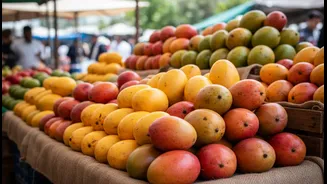
So, how can you find out more about your food's journey? It starts with curiosity. When you are at a market or a fruit stand, don't hesitate to ask the vendor where the produce comes from. Visit local farmers' markets, which are becoming more common in many cities. These are great places to connect directly with producers. Look for Community Supported Agriculture (CSA) programmes, where you can subscribe to receive regular boxes of seasonal produce from a specific farm. Choosing seasonal fruits and vegetables is another simple but powerful strategy. It's not about achieving perfection, but about making small, conscious choices that together can make a big difference.