


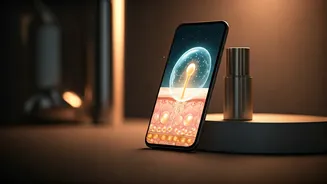


What is AI Skincare?
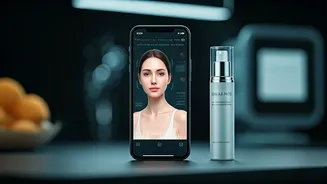
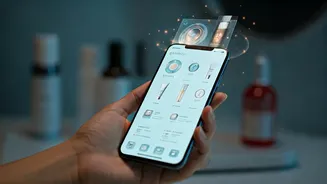
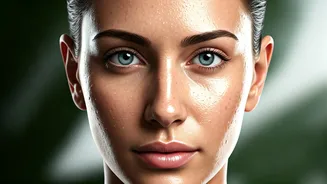
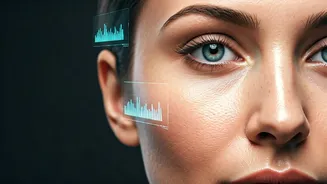
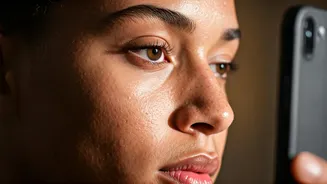
AI skincare refers to apps and websites that use artificial intelligence to analyse your skin. Typically, you upload a well-lit selfie, and the tool's algorithm assesses various factors like fine lines, wrinkles, dark spots, hydration, and pore size.
Based on this analysis, it generates a report on your skin's health and recommends a customised skincare routine, often suggesting specific products to target your concerns. Many popular brands in India, such as Cetaphil, Minimalist, and VLCC, now offer these free analysis tools.
The Promise of Personalisation
The biggest draw of AI skincare is the move away from one-size-fits-all solutions. Instead of guessing which products might work, these tools promise recommendations tailored to your unique skin profile. The technology analyses vast datasets of skin images and conditions to provide targeted advice. For users, this can mean a more efficient and effective routine, potentially saving time and money on products that aren't right for them. Some advanced tools can even track your skin's progress over time, adapting recommendations as your needs change.
A Smart User's Guide
To get the most out of these tools, think of them as a starting point, not a final verdict. Always begin with a clean, makeup-free face in good, even lighting to ensure the most accurate photo analysis. When you receive recommendations, don't just look at the suggested products; pay attention to the ingredients it highlights. This helps you learn what active ingredients, like hyaluronic acid for hydration or salicylic acid for acne, work for your specific concerns. You can use this knowledge to make informed choices, whether you buy the suggested products or find alternatives with similar formulations.
Know The Limitations
While impressive, AI tools have significant limitations. Their accuracy depends heavily on the quality of your photo, and factors like lighting and camera angle can skew results. A major concern raised by experts is dataset bias; many algorithms are trained predominantly on lighter skin tones, which can reduce their accuracy for people with darker skin. Furthermore, many free apps are designed to sell specific products, which can lead to biased recommendations. An app can analyse a picture, but it can't feel your skin's texture or understand your lifestyle and medical history like a human expert can.
AI is Not Your Dermatologist
This is the most critical point. Dermatologists overwhelmingly agree that AI apps are not a substitute for a professional consultation. Studies have shown that the accuracy of these apps, especially for diagnosing serious conditions like skin cancer, can be worryingly low. An app might provide false reassurance for a serious issue or cause unnecessary anxiety over a minor one. Professionals use AI as a supportive tool in some clinical settings, but these systems are far more advanced than what's available on your phone. Think of consumer AI apps as a helpful guide for cosmetic concerns, not a diagnostic tool for medical conditions.