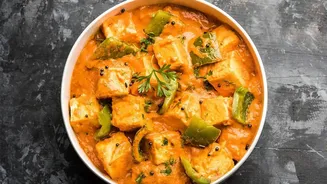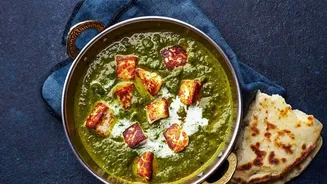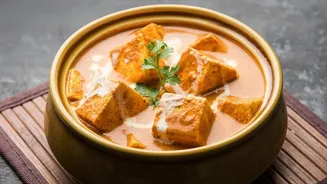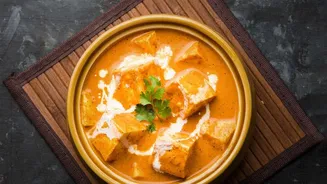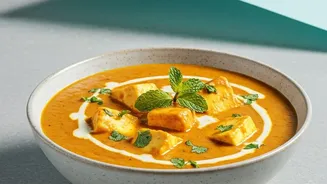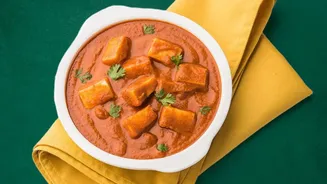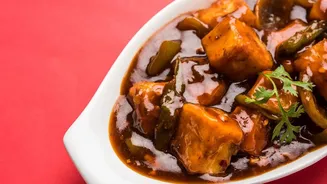





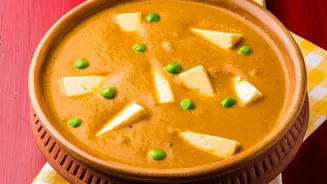
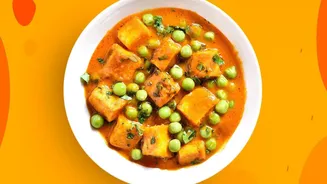
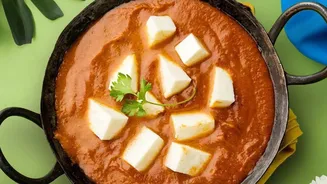
That irresistible, smoky aroma of restaurant-style paneer tikka or a rich paneer butter masala is no longer a secret you can't crack at home. Achieving that deep, complex flavour is easier than you think and requires no special equipment.
Understanding the Allure of Smoke
The magic of
many memorable paneer dishes lies in a single, distinct element: smoke. This isn't just about a burnt taste; it’s a layer of aromatic complexity that evokes the experience of a traditional tandoor. When hot ghee or oil hits a smouldering piece of charcoal, it releases fragrant compounds that infuse the food, giving it a signature flavour that is both earthy and rich. This ancient technique, known as the Dhungar method, is the key to transforming a good paneer dish into an unforgettable one. It adds a dimension of taste that simply grilling or pan-frying cannot replicate, making your home-cooked meals taste professionally made.
The Classic Dhungar Method
The most authentic way to impart a smoky flavour is through the Dhungar technique. It sounds elaborate but is a quick finishing step for any cooked paneer dish, from a dry tikka to a rich gravy. The process involves trapping smoke from a piece of hot charcoal inside your cooking pot, allowing the paneer and the gravy to absorb the aroma. It’s a safe and effective method when done correctly, requiring just a few simple tools and a little bit of care. Always use natural lump charcoal, avoiding any quick-light briquettes that contain chemicals, as these will impart an unpleasant taste to your food.
What You Will Need
Before you begin, gather these simple items. You likely have most of them in your kitchen already. You will need one small piece of natural lump charcoal, a pair of tongs, a small heatproof steel bowl (a 'katori') or a hollowed-out onion, a teaspoon of ghee or cooking oil, and a pot with a tight-fitting lid containing your finished paneer dish. The heavy lid is crucial as it traps the smoke, ensuring maximum flavour infusion.
A Step-byStep Guide to Dhungar
First, ensure your paneer dish is fully cooked and ready. Using tongs, hold the piece of charcoal directly over a gas flame for about five minutes, or until it glows red hot and develops a layer of grey ash. Place the small steel bowl in the centre of your paneer dish, either nestled into the gravy or among the paneer pieces. Carefully place the hot charcoal into the bowl. Immediately pour the ghee or oil over the hot charcoal; it will begin to smoke instantly. As soon as the smoke appears, cover the pot with its lid and let it stand for anywhere from two to five minutes. The longer you leave it, the more intense the smoky flavour will be. Once done, carefully remove the lid and the bowl with the charcoal. Your smoky, restaurantstyle paneer is ready to serve. For safety, ensure your kitchen is wellventilated by opening a window or turning on an exhaust fan.
CharcoalFree Smoking Alternatives
If you are hesitant to use charcoal, there are other creative ways to achieve a smoky taste. One method is to use whole spices. Take a thick cinnamon stick or a few cloves, heat them directly on a flame until they start to smoulder, place them in the small bowl, and pour ghee over them just as you would with charcoal. This provides a more subtle, spiced smoke. Another popular alternative is to use smoked spices. Ingredients like smoked paprika or chipotle powder, when added to your marinade or gravy, can lend a distinct smoky undertone to the dish. This is a simple and quick way to add flavour, though it differs from the aromatic infusion of the Dhungar method.
Using Liquid Smoke Sparingly
For an even quicker fix, a few drops of liquid smoke can be used, but this should be done with caution. Liquid smoke is a potent concentrate, and using too much can easily overpower your dish with an artificial, acrid taste. It is made by condensing the smoke from burning wood. When using it, start with just one or two drops mixed into your marinade or gravy. Taste and adjust if needed. While it's a convenient option if you're short on time, most chefs agree that the traditional Dhungar method provides a more authentic and nuanced flavour profile that is hard to beat.