





The Great Monsoon Reversal
The primary driver of India's diverse October weather is the withdrawal of the Southwest Monsoon. This four-month rainy season, which brings the bulk of India's annual rainfall, doesn't just stop; it retreats. This process begins in the northwest around
early to mid-September and slowly moves southeast over several weeks. As the monsoon pulls back, the wind patterns reverse, leading to vastly different conditions depending on where you are in the country. The entire process is typically complete by mid-October.
North India's Golden Days
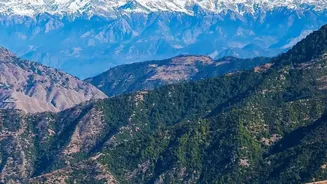
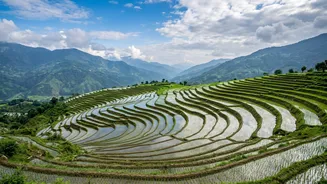
For North India, including Delhi, Punjab, and Rajasthan, October is arguably the most pleasant month of the year. With the monsoon gone, the skies clear up, humidity drops, and the intense summer heat gives way to warm, sunny days and cool, comfortable nights. Average daytime temperatures in Delhi, for example, hover in the low 30s Celsius, with rainfall becoming minimal. This period marks the beginning of the peak tourist season, as the post-monsoon landscape is lush and green, and the weather is perfect for sightseeing and outdoor festivals.
The South's Second Rainy Season
The story is completely different in the southern peninsula. As the Southwest Monsoon retreats, conditions become favorable for the onset of the Northeast Monsoon around the middle of October. This weather system picks up moisture from the Bay of Bengal and brings significant rainfall to Tamil Nadu, parts of Andhra Pradesh, Kerala, and Karnataka. For Tamil Nadu, the Northeast Monsoon is the primary rainy season, accounting for a huge portion of its annual precipitation. So, while the north dries out, cities like Chennai prepare for cloudy skies and their wettest months.
West and Central India's 'October Heat'
In parts of Western and Central India, like Maharashtra and Gujarat, the withdrawal of the monsoon brings a phenomenon known as 'October Heat'. After the rains stop, clear skies allow for more direct sunlight, causing temperatures to spike. This, combined with the residual moisture in the ground and air, creates a period of hot and uncomfortably humid weather before the winter coolness sets in. Cities like Mumbai often experience a sharp rise in daytime temperatures, sometimes reaching the mid-to-high 30s Celsius.
The Lingering Moisture of the East
Eastern India, including West Bengal and Odisha, experiences a more gradual transition. In October, the monsoon's withdrawal is complete, but the proximity to the Bay of Bengal means humidity can remain moderately high, especially in the first half of the month. Kolkata sees a significant reduction in rainfall compared to the monsoon months, but temperatures remain warm, and the air can still feel muggy before the more pleasant, drier winter weather arrives in November.