

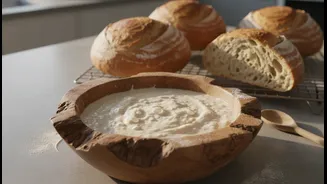
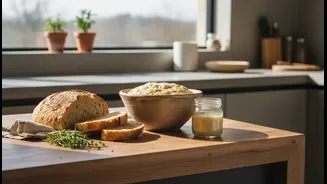


What Exactly Is Sourdough Discard?
To keep a sourdough starter healthy and active for baking, it needs regular 'feedings' of fresh flour and water. To prevent it from growing into an unmanageable quantity, bakers first remove a portion before feeding the rest. This removed portion is the 'discard'.
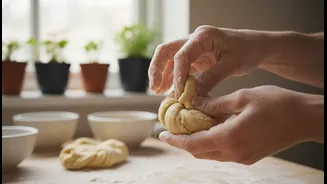
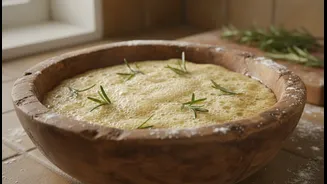
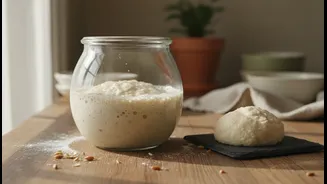
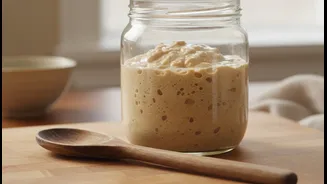
It's essentially an unfed, less active starter. While it lacks the leavening power of a freshly fed starter, it's packed with the complex, tangy flavours developed during fermentation. Instead of being tossed in the bin, this discard can be collected in a jar in the refrigerator for about a week and used in a multitude of other recipes.
The Zero-Waste Kitchen Angle
The primary benefit of using discard is sustainability. Routinely throwing away a cup of discard is like tossing out flour, water, and the time invested in developing those flavours. It adds up, contributing to household food waste. Repurposing discard is a simple but impactful step towards a more eco-friendly baking practice. It honours the ingredients and the entire process. Baking with sourdough, especially when using organic, local flour, is already considered a more sustainable option than relying on commercial breads and yeasts, and saving the discard takes that principle even further.
A Secret Weapon for Flavour and Texture
The 'hidden value' of discard lies in its transformative properties. The acidity and fermented character of the discard can add a remarkable depth and tangy complexity to recipes that would otherwise be plain. It can make baked goods more tender and moist. While it isn't strong enough to make a loaf of bread rise on its own, it contributes to a softer crumb and a richer flavour profile. Furthermore, the fermentation process makes the flour easier to digest and can even lower the glycemic index of the final baked good. It also contains beneficial probiotics and B vitamins, turning a simple pancake into a more nutritious meal.
Creative Ways to Use Your Discard
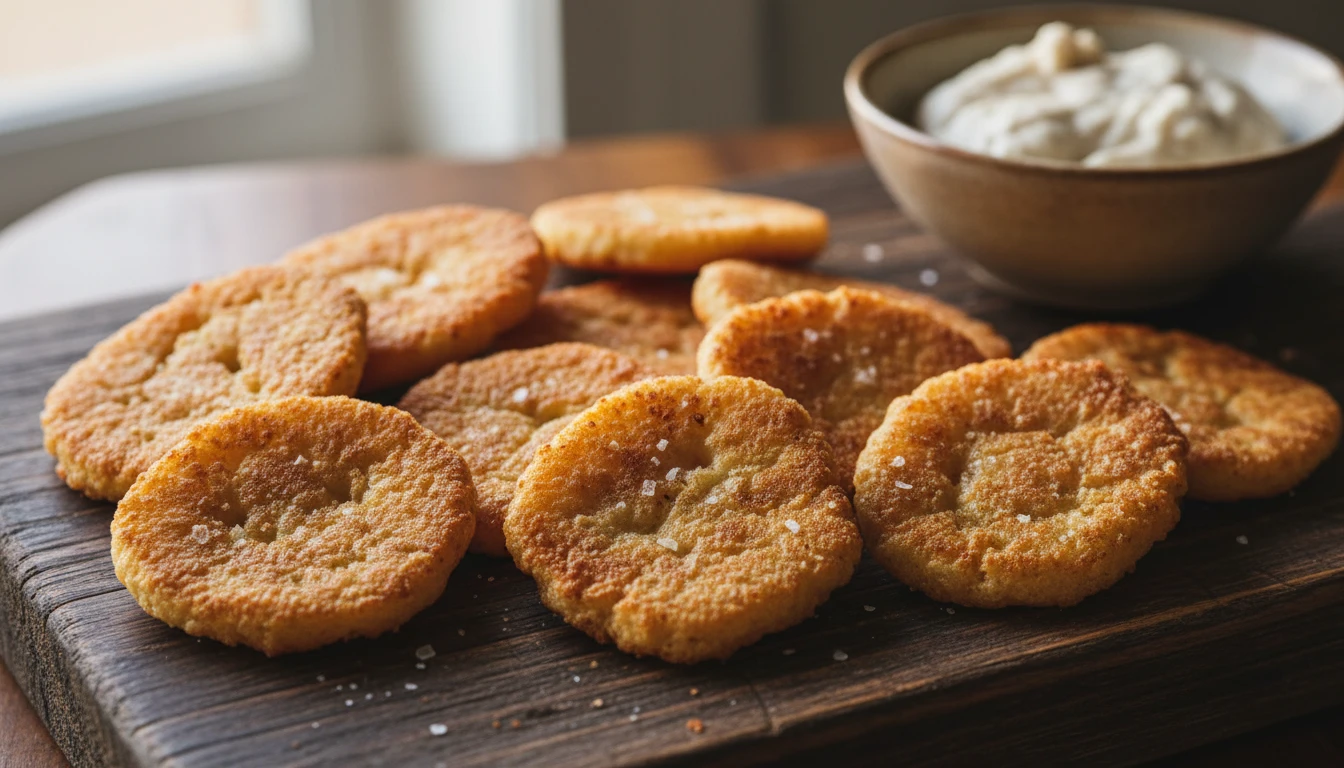
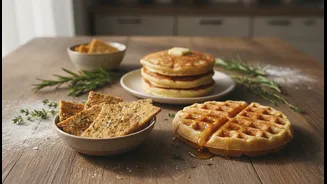
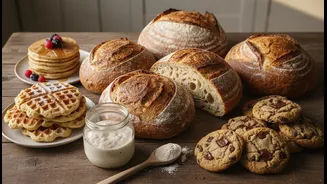
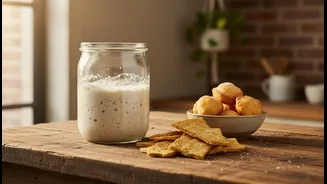
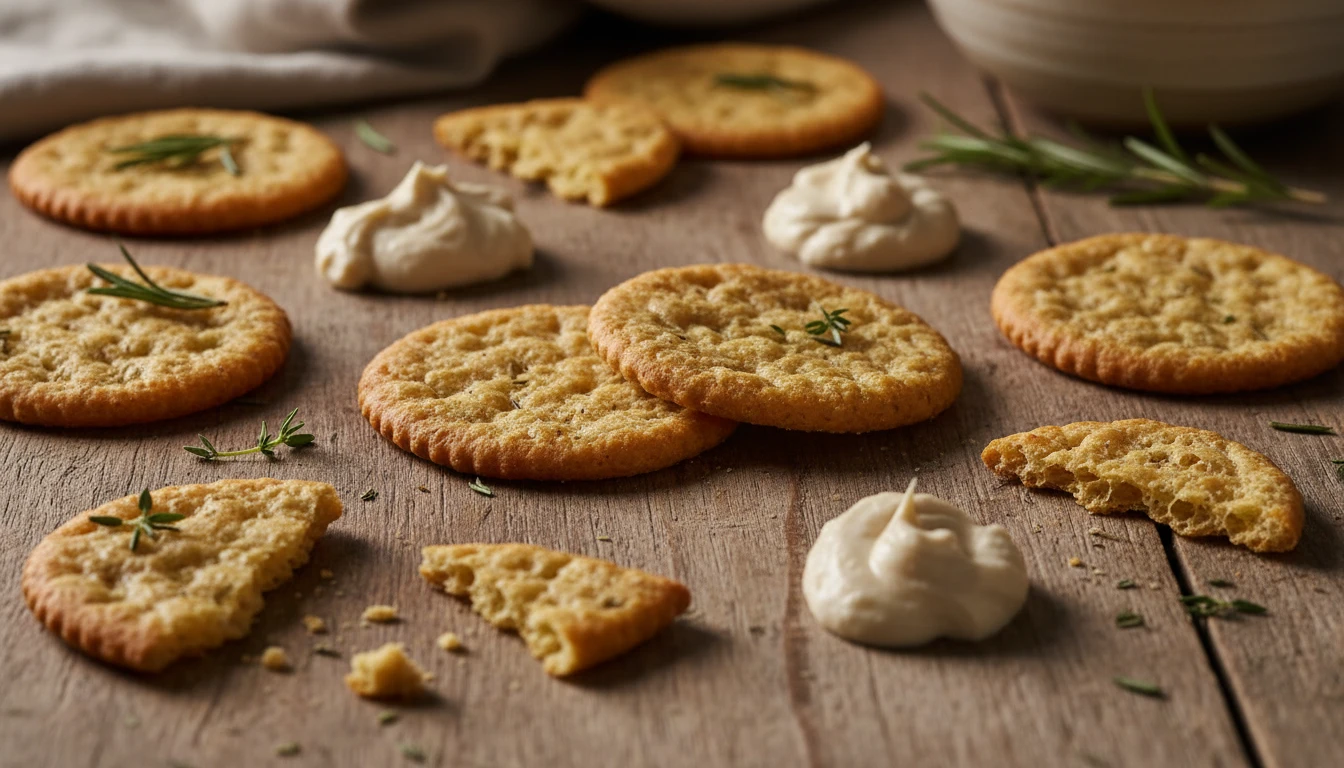
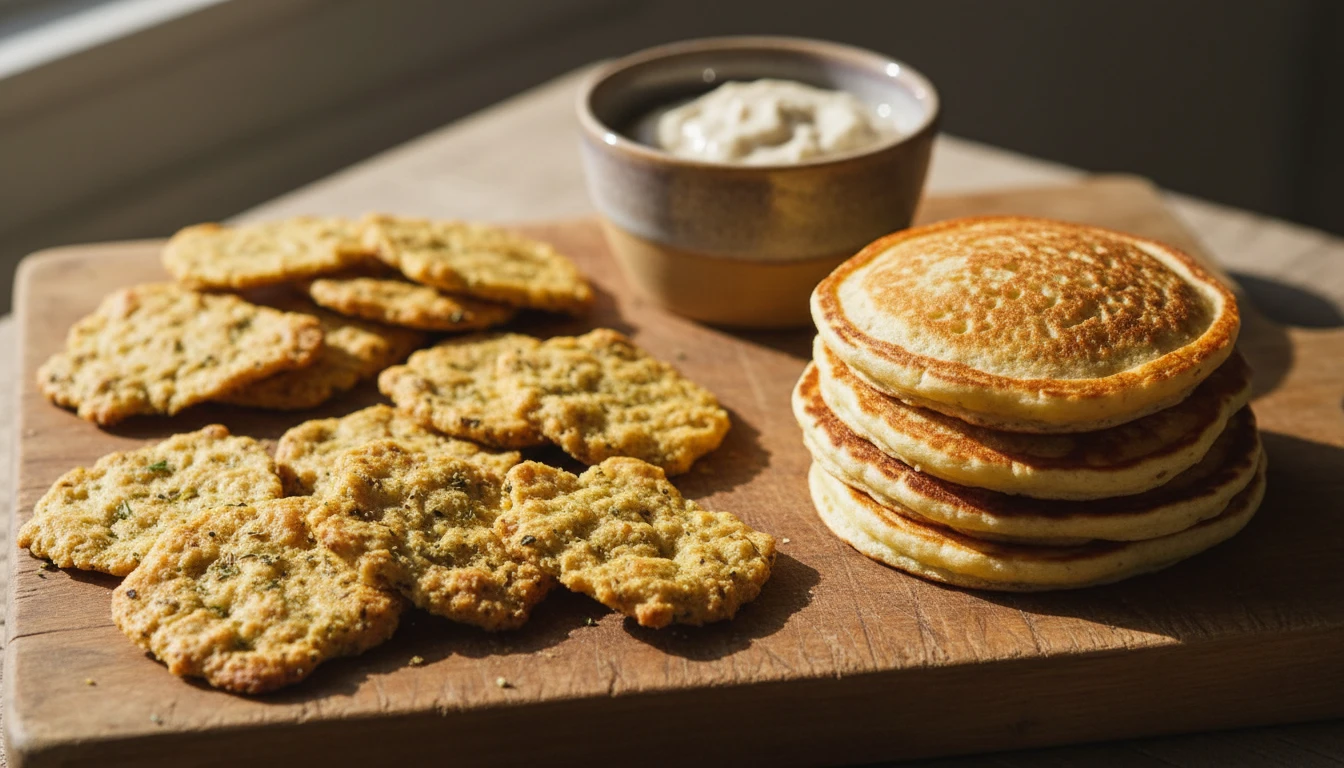
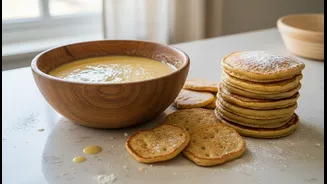
Thinking beyond bread is the key to unlocking the discard’s potential. Because it's a simple blend of flour and water, it can be incorporated into almost any batter-based recipe. The most popular uses are for breakfast items. Sourdough discard pancakes and waffles are famously light and fluffy, with a delicious malty taste. The discard reacts with baking soda and baking powder to create a wonderful texture. Another fantastic application is crackers. Mixed with a little oil, flour, and seasoning, discard bakes into delightfully crispy and flavourful snacks. You can also add it to muffins, flatbreads, and even brownie or cookie batter to add moisture and a subtle tang that balances the sweetness.
Tips for Baking with Discard
To get started, simply keep a clean jar in your fridge and add your discard to it after each feeding. Most recipes will specify whether to use discard straight from the fridge or at room temperature. Keep in mind that the age of the discard affects its flavour; older discard will be more sour and tangy. If a recipe doesn't specifically call for discard, a good rule of thumb is to substitute equal parts of the flour and liquid in the original recipe. For example, to add one cup of 100%-hydration starter (which is half flour, half water), you would reduce the recipe's flour and liquid by a half-cup each. This allows you to experiment and add that unique sourdough character to many of your favourite recipes.