





The Engine of Instant Delivery
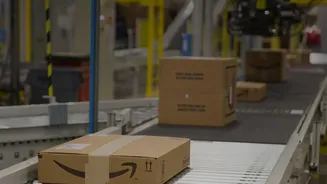
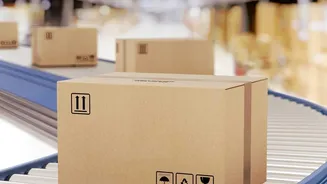
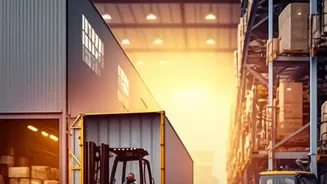
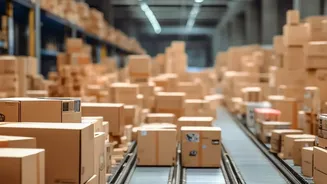
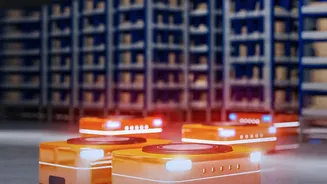
At the heart of the quick commerce boom are micro-fulfillment centers, or MFCs. Unlike the massive warehouses of the past, often located on the outskirts of megacities, MFCs are small, highly automated facilities strategically placed within urban and
semi-urban residential areas. Their sole purpose is to get online orders—from groceries and electronics to daily essentials—to customers' doorsteps in minutes, not days. This model, which emphasizes proximity to the end consumer, has become essential for companies aiming to compete on speed and convenience. As a result, the geography of logistics is decentralizing away from traditional metropolitan hubs.
Why Tier 2 Cities Are the New Frontier
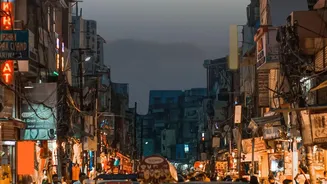
For years, India’s e-commerce story was centered around metros. Now, the main act is moving to Tier 2 and Tier 3 cities like Lucknow, Jaipur, Coimbatore, and Nagpur. With over 60% of new online shoppers emerging from these regions, companies are racing to establish a local presence. These cities offer a compelling mix of rising consumer demand, growing digital adoption, and more favorable operational costs compared to saturated metros. As a result, warehousing space absorption in these smaller cities is growing significantly, with some reports indicating they account for a substantial share of new industrial and logistics demand. Major players like Amazon are aggressively expanding their MFC networks into hundreds of non-metro cities, signalling a long-term strategic shift.
A Surge in Demand for Skilled Operators
This expansion is creating a massive demand for jobs. Quick commerce is one of the most labour-intensive retail channels, generating nearly as many jobs per unit of revenue as traditional general trade and significantly more than conventional e-commerce. While delivery roles are a visible part of this boom, the real transformation is happening inside the warehouses. Each new fulfillment center requires a team of skilled operators to manage inventory, coordinate picking and packing, and oversee automated systems. This trend is a key driver of the 5.4% workforce growth projected for the latter half of 2026, with the e-commerce sector leading the hiring surge. Each large warehouse in a Tier 2 city can create hundreds of direct and indirect jobs, providing stable employment in regions that previously saw significant out-migration.
The New Warehouse Professional
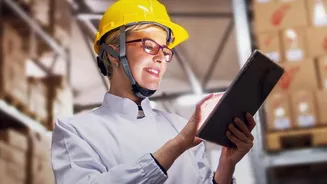
The role of a 'warehouse operator' has evolved dramatically. Today’s facilities are increasingly sophisticated, integrating robotics, AI-driven inventory management, and complex Warehouse Management Systems (WMS). As a result, employers are no longer just looking for manual labour; they need a tech-savvy workforce. The most sought-after skills include familiarity with automation systems like Autonomous Mobile Robots (AMRs), data analysis, and process optimization. This shift is driving a parallel need for skill upliftment, with organizations focused on training local talent to handle the modern, high-tech logistics environment. While India’s warehouses are at varying levels of automation, the trend is clear: the future is integrated, and the workforce must adapt.
The Broader Economic Impact
The rise of micro-fulfillment in Tier 2 cities is about more than just jobs; it’s about building local economies. This trend stimulates ancillary businesses, including transportation providers, packaging suppliers, and maintenance services, creating a vibrant micro-economy around each logistics hub. Furthermore, it helps formalize the local workforce and provides stable, dignified employment that can slow the tide of migration to overburdened megacities. By bringing both goods and jobs closer to home, the expansion of micro-fulfillment is playing a crucial role in distributing economic growth more equitably across the nation, turning once-overlooked towns into strategic hubs of India's new digital economy.