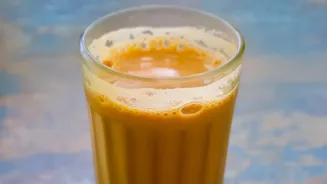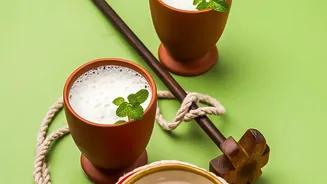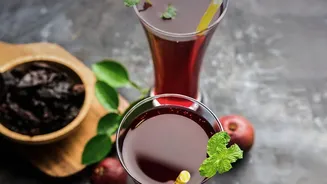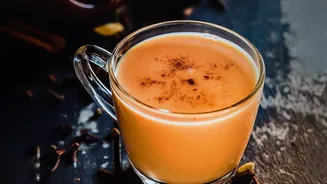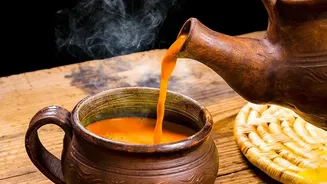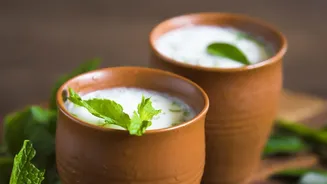

From urban cafes to suburban kitchens, a quiet revolution is fizzing. Ancient Indian drinks, once dismissed as old-fashioned, are making a major comeback. This isn't just nostalgia; it's a health-driven movement redefining wellness, one sip at a time.
The Return of 'Grandma’s Wisdom'
Remember being told to drink Haldi Doodh for a cough or Aam Panna to beat the heat? For years, these traditional elixirs were seen as simple home remedies. Now, they are at the forefront of a wellness trend. Drinks like tangy Kanji, cooling Sattu Sharbat, and spiced Chaas are reappearing on menus and in homes, championed for their natural ingredients and time-tested benefits. This revival isn't just about flavour; it's a conscious return to roots, where consumers are choosing natural, locally sourced options over processed, sugary beverages. The global 'Turmeric Latte' phenomenon is a prime example, taking a humble Indian kitchen staple and turning it into a worldwide wellness icon.
A Post-Pandemic Health Awakening
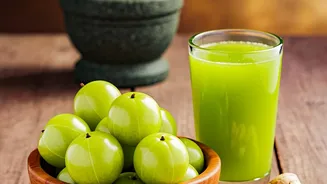
The COVID-19 pandemic acted as a massive catalyst, shifting consumer focus squarely onto health and immunity. A survey by EY India noted that since the pandemic, a staggering 94% of Indians have become more worried about their family's health, with many willing to spend more on natural and healthy foods. This created the perfect environment for a resurgence of Ayurvedic and herbal traditions. Ingredients like turmeric, tulsi, ashwagandha, and amla, long revered in Ayurveda for their therapeutic properties, became household staples. The demand for immunity-boosting products skyrocketed, and these traditional elixirs, already packed with such ingredients, became the natural choice for proactive health management.
From Kitchen Recipe to Commercial Success
Sensing the shift, entrepreneurs and established companies are now bottling this tradition. The Indian ethnic beverage market is booming, with brands finding success by packaging nostalgia and wellness. It began with brands like Paper Boat, which successfully reintroduced drinks like Jaljeera and Aam Panna to a new generation. Now, even FMCG giants are entering the fray, launching their own versions of jeera sodas and other ethnic drinks. This commercialization has made regional specialties accessible across the country; someone in North India can now easily enjoy Sol Kadhi from the Konkan coast, and a consumer in the south can try Sattu Sharbat from Bihar.
The Science Behind Ancient Formulations
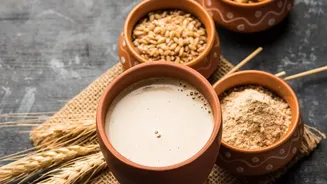
Modern science is now validating the wisdom behind these age-old recipes. Haldi Doodh, or Golden Milk, is celebrated for the anti_inflammatory properties of curcumin, the active compound in turmeric. Fermented drinks like Kanji are being recognized as natural probiotics that support gut health. Sattu, a roasted gram flour drink, is an ancient, plant_based protein source. These drinks were functional foods long before the term became a marketing buzzword, designed to provide hydration, electrolytes, and digestive support. This scientific backing gives consumers, particularly health_conscious millennials and Gen Z, the confidence to embrace these traditions not just as culture, but as effective wellness tools.
A New Generation's Quest for Authenticity
For younger consumers, this trend is about more than just health; it's a rejection of synthetic, mass_produced products in favour of authenticity and transparency. They are increasingly wary of chemical_laden foods and are actively seeking 'clean labels' and natural ingredients. Traditional elixirs fit perfectly into this mindset. They are seen as sustainable, culturally rooted, and inherently 'clean'. In a world of globalized trends, these drinks offer a connection to local heritage—a taste of home that feels both genuine and good for you. This desire for authenticity is driving a broader reclamation of Indian food identity.