



The Ancient Magic of Fermentation
At its core, fermentation is a natural process where microorganisms like bacteria and yeast break down components in food. In South Indian cooking, this typically involves soaking rice and lentils, grinding them into a batter, and letting it rest for
several hours. During this time, beneficial bacteria, particularly lactic acid bacteria (LAB), get to work. They consume the starches and sugars in the batter, transforming its texture, flavour, and, most importantly, its nutritional profile. This isn't just about making the batter rise; it's a form of pre-digestion, where microbes do some of the digestive work before the food even reaches your stomach.
A Feast for Your Gut Microbiome
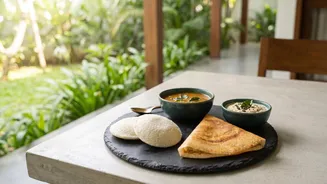
The community of trillions of microbes living in your gut is known as the microbiome, and keeping it balanced is crucial for everything from digestion to immunity. Fermented foods like idli, dosa, and even buttermilk (neer mor) act as natural probiotics, introducing beneficial bacteria into your system. These good bacteria help restore and maintain a healthy gut flora, which can prevent common issues like bloating and indigestion. In fact, nearly 70% of your immune system resides in your gut, and a healthy microbiome helps strengthen its defences against harmful pathogens.
Unlocking Hard-to-Get Nutrients
One of the most significant benefits of fermentation lies in its ability to increase nutrient bioavailability—meaning, how well your body can absorb and use nutrients from food. Grains and legumes contain compounds known as 'anti-nutrients', such as phytic acid and tannins. These substances can bind to minerals like iron, zinc, and calcium, preventing them from being absorbed. The fermentation process works wonders here by breaking down these anti-nutrients. Studies have shown that fermentation can significantly reduce phytic acid, thereby unlocking essential minerals and making them more available for your body to use. For vegetarian diets, this is especially important for maximising mineral intake from plant-based sources.
A Natural Vitamin Boost
Beyond making minerals more accessible, the fermentation process can also create new nutrients. The microbial activity during fermentation synthesises certain vitamins, particularly those in the B-complex group. This includes the creation of vitamin B12, which is typically found almost exclusively in animal products. While the amounts can vary, research has shown that fermenting grains with specific bacteria can produce nutritionally significant levels of B12. This makes fermented foods an excellent way to enhance the vitamin content of a plant-based meal naturally.
Why It Feels Lighter on the Stomach
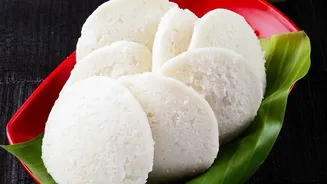
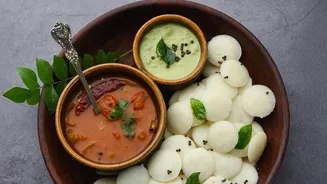
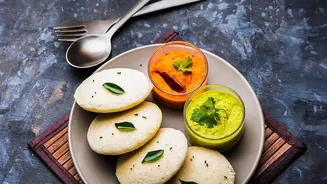
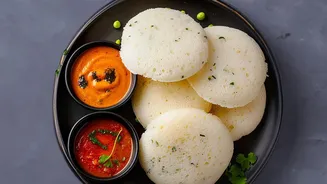
If you've ever felt that idlis are easier to digest than other heavy meals, you're not wrong. Because the bacteria have already broken down complex carbohydrates and proteins in the batter, your digestive system doesn't have to work as hard. This pre-digestion process makes the nutrients easier to absorb and can be particularly beneficial for people with sensitive stomachs or conditions like Irritable Bowel Syndrome (IBS). The result is a meal that nourishes you efficiently without the heavy, bloated feeling that can sometimes follow a large meal.